Político
Dido
879 BC - 759 BC
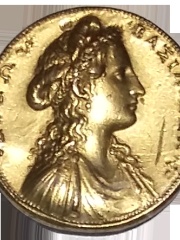
 Dido
Dido
Elissa de Tiro, comumente conhecida como Dido, segundo a lenda, foi a primeira rainha de Cartago. Era filha de Matã I, rei de Tiro,[carece de fontes?] e irmã do também rei de Tiro Pigmalião (r. 814–803), que matou o primeiro marido de Dido, Siqueu, por cobiçar a sua riqueza. Relaçãocom Eneias e representação do amor (Eneida IV)'. Leia mais na Wikipédia
Her biography is available in 51 different languages on Wikipedia (up from 49 in 2024). Dido is the 593rd most popular político (up from 933rd in 2024), the 4th most popular biography from Lebanon (up from 6th in 2019) and the 2nd most popular Lebanese Político.
Dido was a queen of Carthage and is most famous for the story of her suicide after the death of her lover, Aeneas.
Memorability Metrics
Page views of Dido by language
Among Políticos
Among políticos, Dido ranks 593 out of 19,576. Before her are Nur ad-Din, Rurik, Charles XV of Sweden, Galerius, Louis XI of France, and Carloman I. After her are Joseph P. Kennedy Sr., Auguste Beernaert, Priam, Selim III, Louis I of Hungary, and Frederick I of Prussia.
Most Popular Políticos in Wikipedia
Go to all Rankings
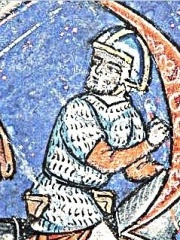
Nur ad-Din
1116 - 1174
HPI: 78.41
Rank: 587
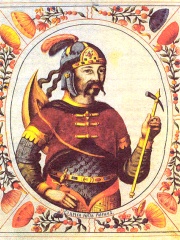
Rurik
830 - 879
HPI: 78.40
Rank: 588
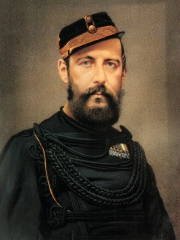
Charles XV of Sweden
1826 - 1872
HPI: 78.39
Rank: 589
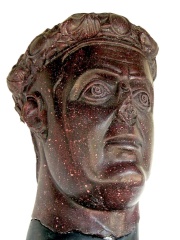
Galerius
250 - 311
HPI: 78.39
Rank: 590
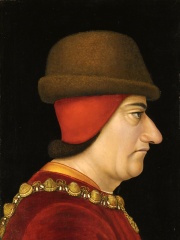
Louis XI of France
1423 - 1483
HPI: 78.37
Rank: 591
Carloman I
751 - 771
HPI: 78.36
Rank: 592
Dido
879 BC - 759 BC
HPI: 78.36
Rank: 593
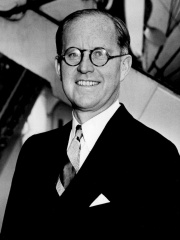
Joseph P. Kennedy Sr.
1888 - 1969
HPI: 78.35
Rank: 594
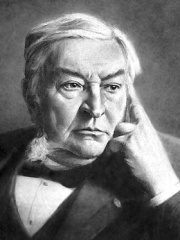
Auguste Beernaert
1829 - 1912
HPI: 78.35
Rank: 595
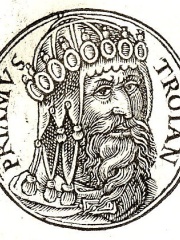
Priam
HPI: 78.33
Rank: 596
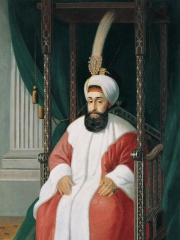
Selim III
1761 - 1808
HPI: 78.33
Rank: 597
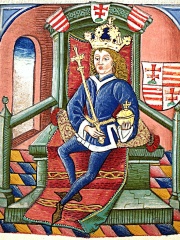
Louis I of Hungary
1326 - 1382
HPI: 78.33
Rank: 598
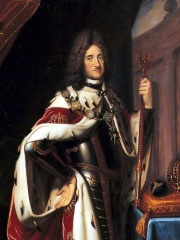
Frederick I of Prussia
1657 - 1713
HPI: 78.32
Rank: 599

Contemporaries
Among people born in 879 BC, Dido ranks 1. Among people deceased in 759 BC, Dido ranks 1. After her is Takelot III.
Others Born in 879 BC
Go to all RankingsOthers Deceased in 759 BC
Go to all Rankings
In Lebanon
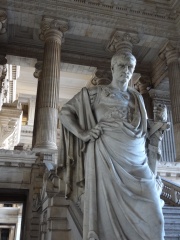
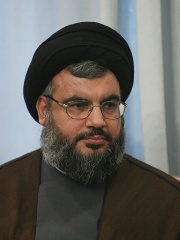
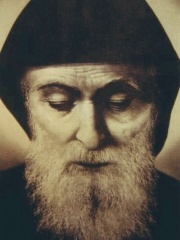
Among people born in Lebanon, Dido ranks 4 out of 145. Before her are Khalil Gibran (1883), Severus Alexander (208), and Porphyry (233). After her are Pope Sisinnius (650), Pope Constantine (664), Keanu Reeves (1964), Ahab (-900), Ulpian (170), Michel Aoun (1935), Hassan Nasrallah (1960), and Charbel Makhlouf (1828).
Others born in Lebanon
Go to all Rankings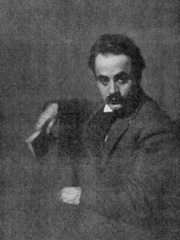
Khalil Gibran
WRITER
1883 - 1931
HPI: 85.57
Rank: 1
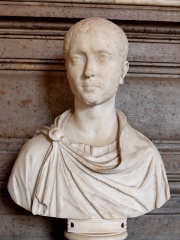
Severus Alexander
POLITICIAN
208 - 235
HPI: 84.39
Rank: 2
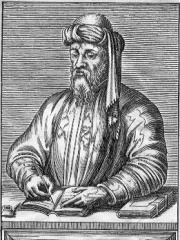
Porphyry
PHILOSOPHER
233 - 305
HPI: 80.06
Rank: 3
Dido
POLITICIAN
879 BC - 759 BC
HPI: 78.36
Rank: 4
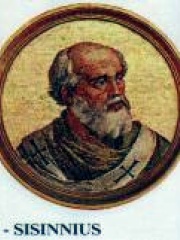
Pope Sisinnius
RELIGIOUS FIGURE
650 - 708
HPI: 76.59
Rank: 5
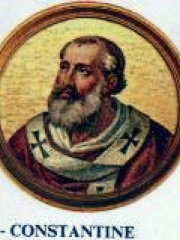
Pope Constantine
RELIGIOUS FIGURE
664 - 715
HPI: 76.23
Rank: 6
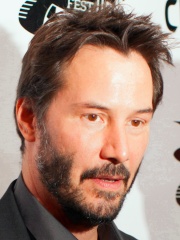
Keanu Reeves
ACTOR
1964 - Present
HPI: 76.23
Rank: 7
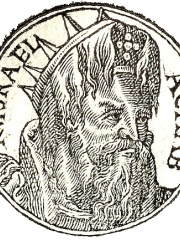
Ahab
POLITICIAN
900 BC - 852 BC
HPI: 76.10
Rank: 8
Ulpian
LAWYER
170 - 228
HPI: 74.89
Rank: 9

Michel Aoun
POLITICIAN
1935 - Present
HPI: 74.23
Rank: 10
Hassan Nasrallah
POLITICIAN
1960 - 2024
HPI: 74.00
Rank: 11
Charbel Makhlouf
RELIGIOUS FIGURE
1828 - 1898
HPI: 73.82
Rank: 12
Among Políticos In Lebanon
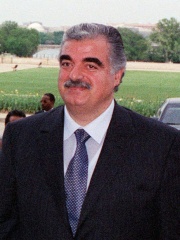
Among políticos born in Lebanon, Dido ranks 2. Before her are Severus Alexander (208). After her are Ahab (-900), Michel Aoun (1935), Hassan Nasrallah (1960), Rafic Hariri (1944), Hiram I (-1000), Émile Lahoud (1936), Najib Mikati (1955), Bachir Gemayel (1947), Michel Suleiman (1948), and Maria of Montferrat (1192).
Severus Alexander
208 - 235
HPI: 84.39
Rank: 1
Dido
879 BC - 759 BC
HPI: 78.36
Rank: 2
Ahab
900 BC - 852 BC
HPI: 76.10
Rank: 3
Michel Aoun
1935 - Present
HPI: 74.23
Rank: 4
Hassan Nasrallah
1960 - 2024
HPI: 74.00
Rank: 5
Rafic Hariri
1944 - 2005
HPI: 73.77
Rank: 6
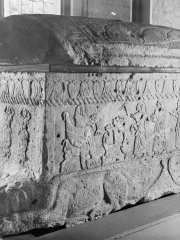
Hiram I
1000 BC - 935 BC
HPI: 72.58
Rank: 7
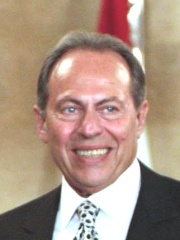
Émile Lahoud
1936 - Present
HPI: 70.27
Rank: 8
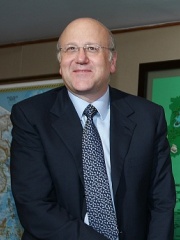
Najib Mikati
1955 - Present
HPI: 68.63
Rank: 9
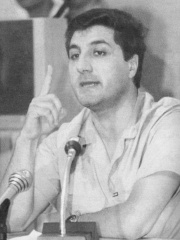
Bachir Gemayel
1947 - 1982
HPI: 67.84
Rank: 10
Michel Suleiman
1948 - Present
HPI: 66.74
Rank: 11
Maria of Montferrat
1192 - 1212
HPI: 66.59
Rank: 12