Politicus
Dido
879 BC - 759 BC
NL.WIKIPEDIA PAGE VIEWS (PV)
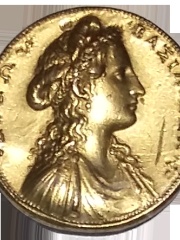
 Dido
Dido
Koningin Dido van Tyrus (Romeinse naam) of Elissa/Elyssa (Fenicische naam: ) is een van de hoofdfiguren uit de Aeneis van Vergilius en volgens de legende de stichteres van Carthago. De naam Dido is mogelijk Semitisch (en betekent dan 'geliefde'). Dido is dan synoniem met de Carthaagse godin Tanit. Lees meer op Wikipedia
Haar biografie is beschikbaar in 51 verschillende talen op Wikipedia (toegenomen van 49 in 2024). Dido staat op plaats 593 onder de meest populaire politicus (gestegen van plaats 933 in 2024), plaats 4 onder de meest populaire biografieën uit Libanon (gestegen van plaats 6 in 2019) en op plaats 2 onder de populairste politicus uit Libanon.
Memorability Metrics
Page views of Dido by language
Among Politicuses
Among politicuses, Dido ranks 593 out of 19,576. Before her are Nur ad-Din, Rurik, Charles XV of Sweden, Galerius, Louis XI of France, and Carloman I. After her are Joseph P. Kennedy Sr., Auguste Beernaert, Priam, Selim III, Louis I of Hungary, and Frederick I of Prussia.
Most Popular Politicuses in Wikipedia
Go to all Rankings
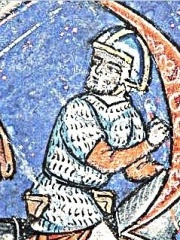
Nur ad-Din
1116 - 1174
HPI: 78.41
Rank: 587
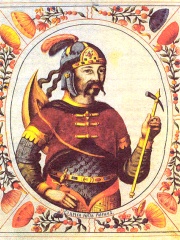
Rurik
830 - 879
HPI: 78.40
Rank: 588
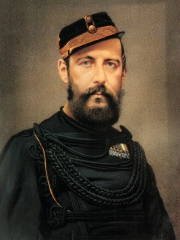
Charles XV of Sweden
1826 - 1872
HPI: 78.39
Rank: 589
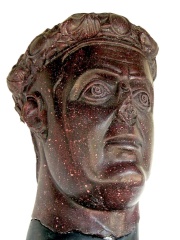
Galerius
250 - 311
HPI: 78.39
Rank: 590
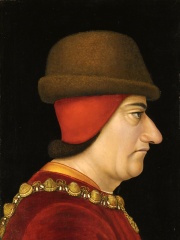
Louis XI of France
1423 - 1483
HPI: 78.37
Rank: 591
Carloman I
751 - 771
HPI: 78.36
Rank: 592
Dido
879 BC - 759 BC
HPI: 78.36
Rank: 593
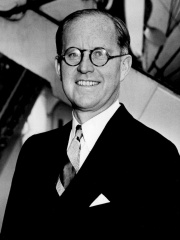
Joseph P. Kennedy Sr.
1888 - 1969
HPI: 78.35
Rank: 594
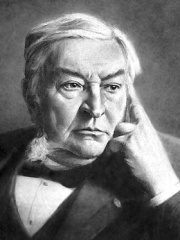
Auguste Beernaert
1829 - 1912
HPI: 78.35
Rank: 595
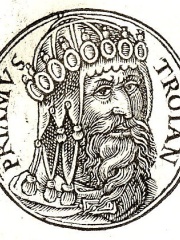
Priam
HPI: 78.33
Rank: 596
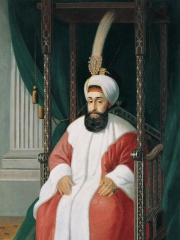
Selim III
1761 - 1808
HPI: 78.33
Rank: 597
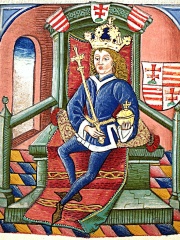
Louis I of Hungary
1326 - 1382
HPI: 78.33
Rank: 598
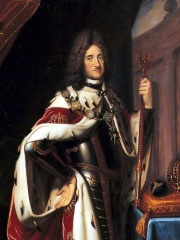
Frederick I of Prussia
1657 - 1713
HPI: 78.32
Rank: 599

Contemporaries
Among people born in 879 BC, Dido ranks 1. Among people deceased in 759 BC, Dido ranks 1. After her is Takelot III.
Others Born in 879 BC
Go to all RankingsOthers Deceased in 759 BC
Go to all Rankings
In Libanon
Among people born in Libanon, Dido ranks 4 out of NaN. Before her are Khalil Gibran (1883), Severus Alexander (208), and Porphyry (233). After her are Pope Sisinnius (650), Pope Constantine (664), Keanu Reeves (1964), Ahab (-900), Ulpian (170), Michel Aoun (1935), Hassan Nasrallah (1960), and Charbel Makhlouf (1828).
Others born in Libanon
Go to all Rankings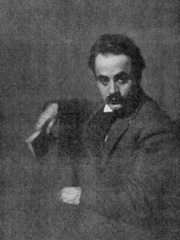
Khalil Gibran
WRITER
1883 - 1931
HPI: 85.57
Rank: 1
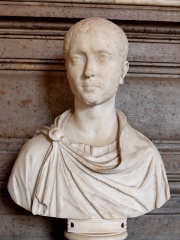
Severus Alexander
POLITICIAN
208 - 235
HPI: 84.39
Rank: 2
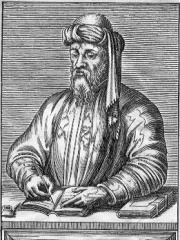
Porphyry
PHILOSOPHER
233 - 305
HPI: 80.06
Rank: 3
Dido
POLITICIAN
879 BC - 759 BC
HPI: 78.36
Rank: 4
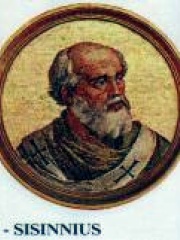
Pope Sisinnius
RELIGIOUS FIGURE
650 - 708
HPI: 76.59
Rank: 5
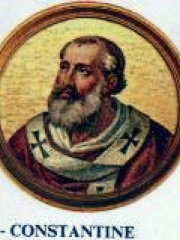
Pope Constantine
RELIGIOUS FIGURE
664 - 715
HPI: 76.23
Rank: 6
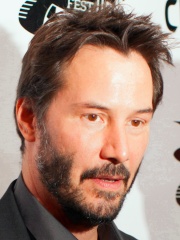
Keanu Reeves
ACTOR
1964 - Present
HPI: 76.23
Rank: 7
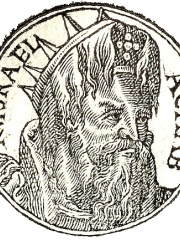
Ahab
POLITICIAN
900 BC - 852 BC
HPI: 76.10
Rank: 8
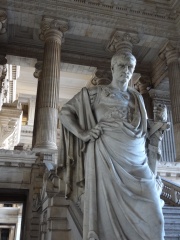
Ulpian
LAWYER
170 - 228
HPI: 74.89
Rank: 9

Michel Aoun
POLITICIAN
1935 - Present
HPI: 74.23
Rank: 10
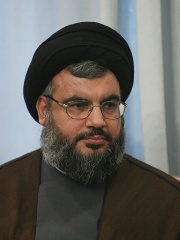
Hassan Nasrallah
POLITICIAN
1960 - 2024
HPI: 74.00
Rank: 11
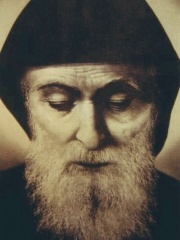
Charbel Makhlouf
RELIGIOUS FIGURE
1828 - 1898
HPI: 73.82
Rank: 12
Among Politicuses In Libanon
Among politicuses born in Libanon, Dido ranks 2. Before her are Severus Alexander (208). After her are Ahab (-900), Michel Aoun (1935), Hassan Nasrallah (1960), Rafic Hariri (1944), Hiram I (-1000), Émile Lahoud (1936), Najib Mikati (1955), Bachir Gemayel (1947), Michel Suleiman (1948), and Maria of Montferrat (1192).
Severus Alexander
208 - 235
HPI: 84.39
Rank: 1
Dido
879 BC - 759 BC
HPI: 78.36
Rank: 2
Ahab
900 BC - 852 BC
HPI: 76.10
Rank: 3
Michel Aoun
1935 - Present
HPI: 74.23
Rank: 4
Hassan Nasrallah
1960 - 2024
HPI: 74.00
Rank: 5
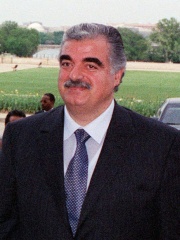
Rafic Hariri
1944 - 2005
HPI: 73.77
Rank: 6
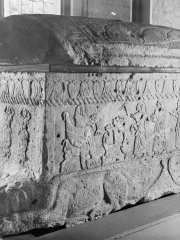
Hiram I
1000 BC - 935 BC
HPI: 72.58
Rank: 7
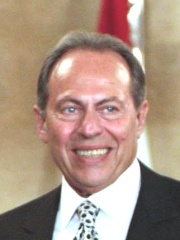
Émile Lahoud
1936 - Present
HPI: 70.27
Rank: 8
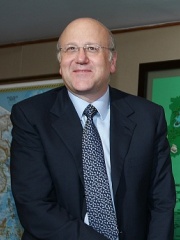
Najib Mikati
1955 - Present
HPI: 68.63
Rank: 9
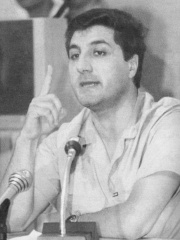
Bachir Gemayel
1947 - 1982
HPI: 67.84
Rank: 10
Michel Suleiman
1948 - Present
HPI: 66.74
Rank: 11
Maria of Montferrat
1192 - 1212
HPI: 66.59
Rank: 12