Companheiro
Arsinoe II
316 BC - 270 BC
PT.WIKIPEDIA PAGE VIEWS (PV)
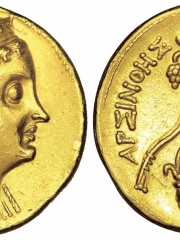
 Arsinoe II
Arsínoe II (316 a.C. — 270 a.C.) foi uma rainha da Trácia e depois co-governante do Egito com seu irmão e marido Ptolomeu II Filadelfo. Leia mais na Wikipédia
Sua biografia está disponível em 42 idiomas na Wikipédia (aumento em relação a 38 em 2024). Arsinoe II é a 199ª companheiro mais popular (caiu do 155ª em 2024), a 141ª biografia mais popular do Egito (caiu do 129ª em 2019) e a 5ª companheiro mais popular do Egito.
Memorability Metrics
Page views of Arsinoe II by language
Among Companheiros
Among companheiros, Arsinoe II ranks 199 out of 784. Before her are Matilda of Ringelheim, Gorgo, Queen of Sparta, Archduchess Maria Johanna Gabriela of Austria, Matilda of Flanders, Mary, Crown Princess of Denmark, and Bruttia Crispina. After her are Tjuyu, Maria Christina of the Two Sicilies, Clementia of Hungary, Joan the Lame, Marie Henriette of Austria, and Geraldine of Albania.
Most Popular Companheiros in Wikipedia
Go to all Rankings
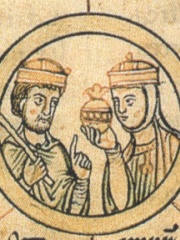
Matilda of Ringelheim
894 - 968
HPI: 70.34
Rank: 193
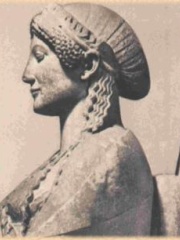
Gorgo, Queen of Sparta
506 BC - 500 BC
HPI: 70.31
Rank: 194
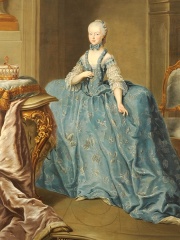
Archduchess Maria Johanna Gabriela of Austria
1750 - 1762
HPI: 70.29
Rank: 195
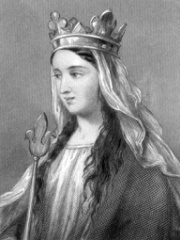
Matilda of Flanders
1031 - 1083
HPI: 70.25
Rank: 196

Mary, Crown Princess of Denmark
1972 - Present
HPI: 70.22
Rank: 197
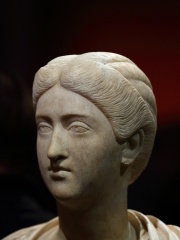
Bruttia Crispina
164 - 191
HPI: 70.18
Rank: 198
Arsinoe II
316 BC - 270 BC
HPI: 70.16
Rank: 199
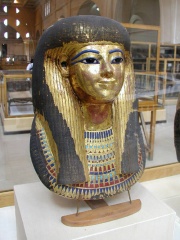
Tjuyu
1401 BC - 1370 BC
HPI: 70.15
Rank: 200
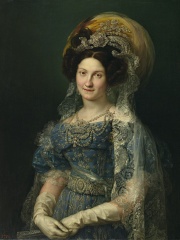
Maria Christina of the Two Sicilies
1806 - 1878
HPI: 70.07
Rank: 201
Clementia of Hungary
1293 - 1328
HPI: 70.00
Rank: 202

Joan the Lame
1293 - 1349
HPI: 69.98
Rank: 203
Marie Henriette of Austria
1836 - 1902
HPI: 69.97
Rank: 204

Geraldine of Albania
1915 - 2002
HPI: 69.95
Rank: 205

Contemporaries
Among people born in 316 BC, Arsinoe II ranks 1. Among people deceased in 270 BC, Arsinoe II ranks 1. After her are Polemon, Alexis, and Manius Curius Dentatus.
Others Born in 316 BC
Go to all RankingsOthers Deceased in 270 BC
Go to all RankingsArsinoe II
COMPANION
316 BC - 270 BC
HPI: 70.16
Rank: 1
Polemon
PHILOSOPHER
400 BC - 270 BC
HPI: 65.65
Rank: 2

Alexis
WRITER
372 BC - 270 BC
HPI: 62.90
Rank: 3
Manius Curius Dentatus
POLITICIAN
390 BC - 270 BC
HPI: 62.11
Rank: 4
In Egito
Among people born in Egito, Arsinoe II ranks 141 out of NaN. Before her are Pope Peter I of Alexandria (300), Georges Moustaki (1934), Al-Aziz Uthman (1171), Anatolius of Constantinople (301), Mohamed Al-Fayed (1929), and Al-Suyuti (1445). After her are Claudian (370), Tjuyu (-1401), Nawal El Saadawi (1931), Mohamed Salah (1992), Pope Shenouda III of Alexandria (1923), and Nectanebo II (-400).
Others born in Egito
Go to all Rankings
Pope Peter I of Alexandria
RELIGIOUS FIGURE
300 - 311
HPI: 70.60
Rank: 135
Georges Moustaki
SINGER
1934 - 2013
HPI: 70.54
Rank: 136

Al-Aziz Uthman
POLITICIAN
1171 - 1198
HPI: 70.51
Rank: 137
Anatolius of Constantinople
RELIGIOUS FIGURE
301 - 458
HPI: 70.46
Rank: 138

Mohamed Al-Fayed
BUSINESSPERSON
1929 - 2023
HPI: 70.34
Rank: 139
Al-Suyuti
RELIGIOUS FIGURE
1445 - 1505
HPI: 70.22
Rank: 140
Arsinoe II
COMPANION
316 BC - 270 BC
HPI: 70.16
Rank: 141

Claudian
WRITER
370 - 404
HPI: 70.15
Rank: 142
Tjuyu
COMPANION
1401 BC - 1370 BC
HPI: 70.15
Rank: 143
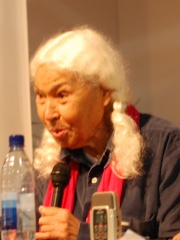
Nawal El Saadawi
POLITICIAN
1931 - 2021
HPI: 70.13
Rank: 144

Mohamed Salah
SOCCER PLAYER
1992 - Present
HPI: 70.08
Rank: 145
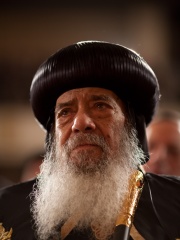
Pope Shenouda III of Alexandria
RELIGIOUS FIGURE
1923 - 2012
HPI: 70.03
Rank: 146
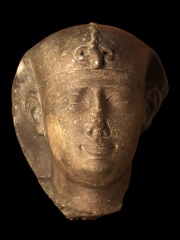
Nectanebo II
POLITICIAN
400 BC - 343 BC
HPI: 70.02
Rank: 147
Among Companheiros In Egito
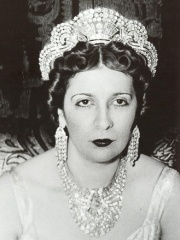
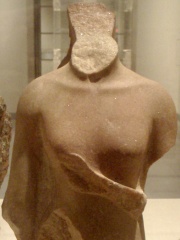
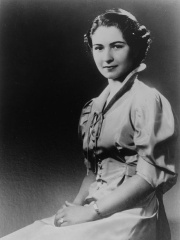
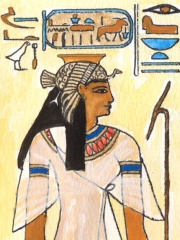
Among companheiros born in Egito, Arsinoe II ranks 5. Before her are Nefertiti (-1400), Nefertari (-1290), Ankhesenamun (-1347), and Fawzia Fuad of Egypt (1921). After her are Tjuyu (-1401), Meritamen (-1400), Nazli Sabri (1894), Meketaten (-1348), Farida of Egypt (1921), Alia Al-Hussein (1948), and Bintanath (-1300).
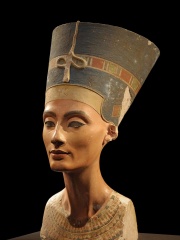
Nefertiti
1400 BC - 1330 BC
HPI: 87.28
Rank: 1
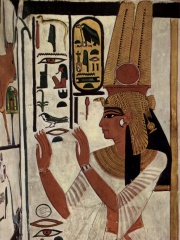
Nefertari
1290 BC - 1255 BC
HPI: 79.56
Rank: 2
Ankhesenamun
1347 BC - 1400 BC
HPI: 77.52
Rank: 3
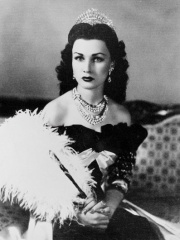
Fawzia Fuad of Egypt
1921 - 2013
HPI: 72.31
Rank: 4
Arsinoe II
316 BC - 270 BC
HPI: 70.16
Rank: 5
Tjuyu
1401 BC - 1370 BC
HPI: 70.15
Rank: 6
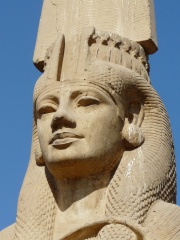
Meritamen
1400 BC - 1300 BC
HPI: 69.06
Rank: 7
Nazli Sabri
1894 - 1978
HPI: 68.27
Rank: 8
Meketaten
1348 BC - 1338 BC
HPI: 67.38
Rank: 9
Farida of Egypt
1921 - 1988
HPI: 66.98
Rank: 10

Alia Al-Hussein
1948 - 1977
HPI: 66.71
Rank: 11
Bintanath
1300 BC - 1300 BC
HPI: 65.76
Rank: 12