Figura religiosa
Arius
256 - 336
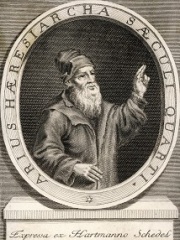
 Arius
Arius
Ário (em latim: Arius) ou Areio (em latim: Areius; em grego clássico: Αρειος; Líbia, 256 – Constantinopla, 336) foi um heresiarca do século IV, fundador da doutrina arianista, tida como heresia. Era, antes de se afastar do trinitarismo, diácono de Alexandria, ordenado pelo patriarca Pedro I, razão pela qual também é conhecido como Ário de Alexandria. Leia mais na Wikipédia
His biography is available in 70 different languages on Wikipedia (up from 67 in 2024). Arius is the 163rd most popular figura religiosa (down from 111th in 2024), the 5th most popular biography from Libya and the 2nd most popular Libyan Figura Religiosa.
Ariadne is most famous for being the daughter of King Minos and Queen Pasiphae. She helped Theseus escape from the labyrinth by giving him a ball of thread to follow.
Memorability Metrics
Page views of Arius by language
Among Figura religiosas
Among figura religiosas, Arius ranks 163 out of 3,187. Before him are Ambrose, Pope Innocent XIII, John Chrysostom, Esther, Albertus Magnus, and Hasan ibn Ali. After him are Pope Anacletus, Pope Gregory IX, Rebecca, Simon the Zealot, Pope Eugene IV, and Bilal ibn Rabah.
Most Popular Figura Religiosas in Wikipedia
Go to all Rankings
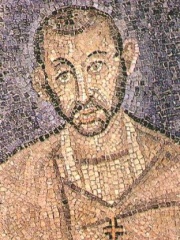
Ambrose
340 - 397
HPI: 81.26
Rank: 157
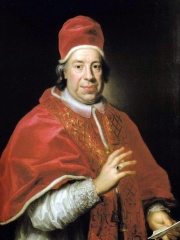
Pope Innocent XIII
1655 - 1724
HPI: 81.26
Rank: 158
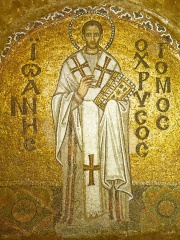
John Chrysostom
349 - 407
HPI: 81.25
Rank: 159
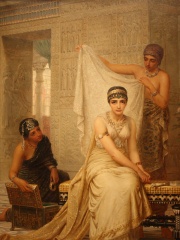
Esther
600 BC - 500 BC
HPI: 81.25
Rank: 160
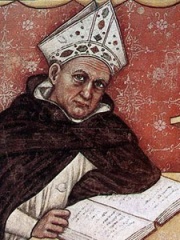
Albertus Magnus
1206 - 1280
HPI: 81.25
Rank: 161

Hasan ibn Ali
624 - 670
HPI: 81.21
Rank: 162
Arius
256 - 336
HPI: 81.19
Rank: 163
Pope Anacletus
1 - 92
HPI: 81.15
Rank: 164
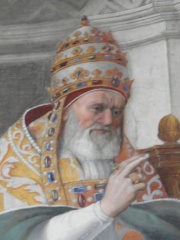
Pope Gregory IX
1160 - 1241
HPI: 81.10
Rank: 165
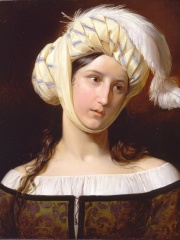
Rebecca
259 - Present
HPI: 81.03
Rank: 166

Simon the Zealot
1 - 107
HPI: 80.92
Rank: 167
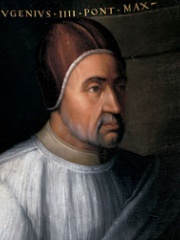
Pope Eugene IV
1383 - 1447
HPI: 80.91
Rank: 168
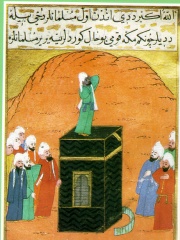
Bilal ibn Rabah
580 - 642
HPI: 80.86
Rank: 169

Contemporaries
Among people born in 256, Arius ranks 1. After him is Hosius of Corduba. Among people deceased in 336, Arius ranks 1. After him is Pope Mark.
Others Born in 256
Go to all RankingsArius
RELIGIOUS FIGURE
256 - 336
HPI: 81.19
Rank: 1
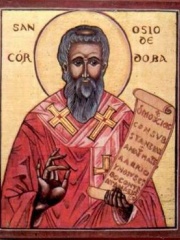
Hosius of Corduba
POLITICIAN
256 - 357
HPI: 66.97
Rank: 2
Others Deceased in 336
Go to all Rankings
In Libya
Among people born in Libya, Arius ranks 5 out of 76. Before him are Eratosthenes (-276), Muammar Gaddafi (1942), Mark the Evangelist (10), and Septimius Severus (145). After him are Aristippus (-434), Simon of Cyrene (-100), Callimachus (-310), Berenice II of Egypt (-267), Pope Victor I (100), Omar Mukhtar (1858), and Idris of Libya (1889).
Others born in Libya
Go to all Rankings
Eratosthenes
GEOGRAPHER
276 BC - 194 BC
HPI: 85.80
Rank: 1
Muammar Gaddafi
POLITICIAN
1942 - 2011
HPI: 85.50
Rank: 2
Mark the Evangelist
RELIGIOUS FIGURE
10 - 68
HPI: 85.33
Rank: 3
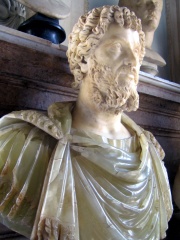
Septimius Severus
POLITICIAN
145 - 211
HPI: 82.04
Rank: 4
Arius
RELIGIOUS FIGURE
256 - 336
HPI: 81.19
Rank: 5
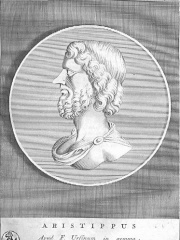
Aristippus
PHILOSOPHER
434 BC - 355 BC
HPI: 79.14
Rank: 6
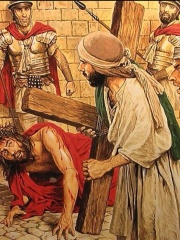
Simon of Cyrene
POLITICIAN
100 BC - 100
HPI: 76.33
Rank: 7
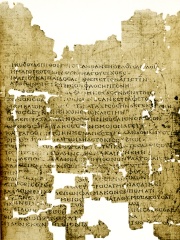
Callimachus
WRITER
310 BC - 240 BC
HPI: 75.19
Rank: 8
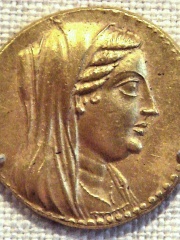
Berenice II of Egypt
COMPANION
267 BC - 221 BC
HPI: 74.99
Rank: 9
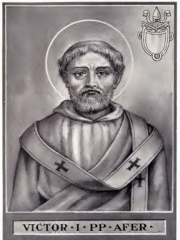
Pope Victor I
RELIGIOUS FIGURE
100 - 199
HPI: 74.96
Rank: 10
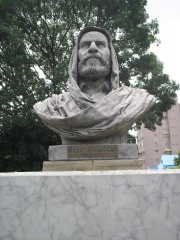
Omar Mukhtar
SOCIAL ACTIVIST
1858 - 1931
HPI: 74.73
Rank: 11
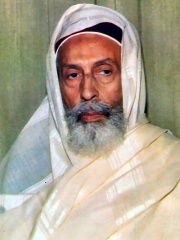
Idris of Libya
POLITICIAN
1889 - 1983
HPI: 73.19
Rank: 12
Among Figura religiosas In Libya
Among figura religiosas born in Libya, Arius ranks 2. Before him are Mark the Evangelist (10). After him are Pope Victor I (100).
Mark the Evangelist
10 - 68
HPI: 85.33
Rank: 1
Arius
256 - 336
HPI: 81.19
Rank: 2
Pope Victor I
100 - 199
HPI: 74.96
Rank: 3