Politician
Tetisheri
1600 BC - 1540 BC
EN.WIKIPEDIA PAGE VIEWS (PV)
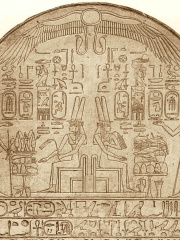
 Tetisheri
Her biography is available in 32 different languages on Wikipedia (up from 31 in 2024). Tetisheri is the 4,337th most popular politician (down from 4,087th in 2024), the 207th most popular biography from Egypt (down from 202nd in 2019) and the 99th most popular Egyptian Politician.
Tetisheri is most famous for being the mother of King Tutankhamun.
Memorability Metrics
Page views of Tetisheri by language
Among Politicians
Among politicians, Tetisheri ranks 4,337 out of 19,576. Before her are Prince John Konstantinovich of Russia, Gaspar de Guzmán, Count-Duke of Olivares, Friedrich Ludwig Jahn, Teos of Egypt, Balash, and Archduchess Eleanor of Austria. After her are Gustav Noske, Emperor Gaozong of Song, Maria of Courtenay, Victoriano Huerta, Ranavalona III, and Princess Olga of Greece and Denmark.
Most Popular Politicians in Wikipedia
Go to all Rankings
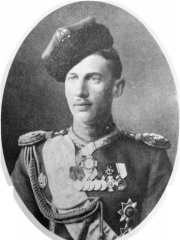
Prince John Konstantinovich of Russia
1886 - 1918
HPI: 67.42
Rank: 4,333
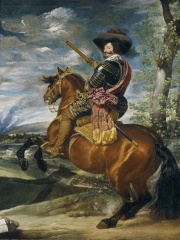
Gaspar de Guzmán, Count-Duke of Olivares
1587 - 1645
HPI: 67.41
Rank: 4,334
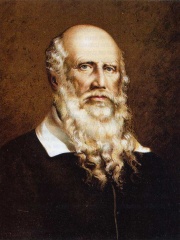
Friedrich Ludwig Jahn
1778 - 1852
HPI: 67.41
Rank: 4,335
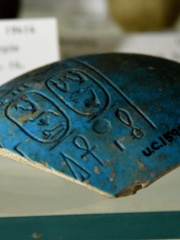
Teos of Egypt
400 BC - 400 BC
HPI: 67.41
Rank: 4,336
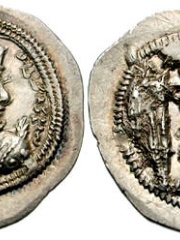
Balash
500 - 488
HPI: 67.41
Rank: 4,337
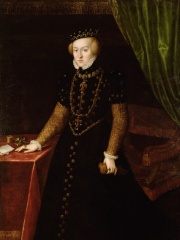
Archduchess Eleanor of Austria
1534 - 1594
HPI: 67.41
Rank: 4,338
Tetisheri
1600 BC - 1540 BC
HPI: 67.40
Rank: 4,339
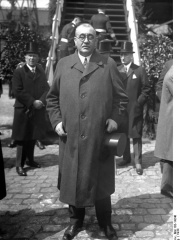
Gustav Noske
1868 - 1946
HPI: 67.40
Rank: 4,340
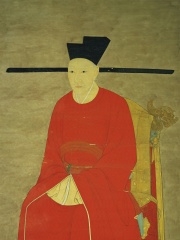
Emperor Gaozong of Song
1107 - 1187
HPI: 67.40
Rank: 4,341

Maria of Courtenay
1204 - 1228
HPI: 67.40
Rank: 4,342
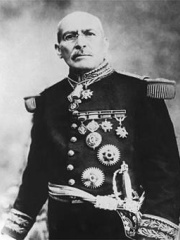
Victoriano Huerta
1850 - 1916
HPI: 67.40
Rank: 4,343
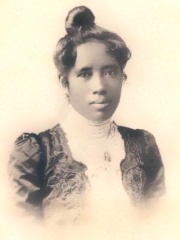
Ranavalona III
1861 - 1917
HPI: 67.40
Rank: 4,344
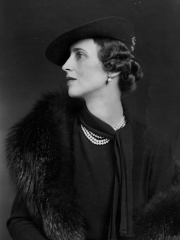
Princess Olga of Greece and Denmark
1903 - 1997
HPI: 67.40
Rank: 4,345

Contemporaries
Among people born in 1600 BC, Tetisheri ranks 8. Before her are Seqenenre Tao, Senakhtenre Ahmose, Kamose, Apepi, Senenmut, and Telipinu. After her are Ammuna, Zhong Ding, Ahmose, son of Ebana, He Dan Jia, Zidanta I, and Zu Xin. Among people deceased in 1540 BC, Tetisheri ranks 1.
Others Born in 1600 BC
Go to all Rankings
Seqenenre Tao
POLITICIAN
1600 BC - 1600 BC
HPI: 75.63
Rank: 2
Senakhtenre Ahmose
POLITICIAN
1600 BC - 1600 BC
HPI: 72.21
Rank: 3
Kamose
POLITICIAN
1600 BC - 1549 BC
HPI: 72.17
Rank: 4
Apepi
POLITICIAN
1600 BC - 1549 BC
HPI: 71.15
Rank: 5
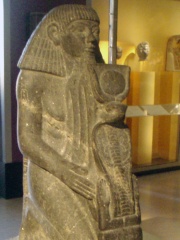
Senenmut
ARCHITECT
1600 BC - 1463 BC
HPI: 68.57
Rank: 6
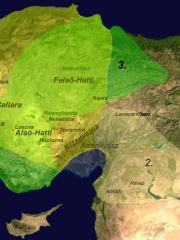
Telipinu
POLITICIAN
1600 BC - 1600 BC
HPI: 68.55
Rank: 7
Tetisheri
POLITICIAN
1600 BC - 1540 BC
HPI: 67.40
Rank: 8

Ammuna
POLITICIAN
1600 BC - 1530 BC
HPI: 63.99
Rank: 9

Zhong Ding
POLITICIAN
1600 BC - 1600 BC
HPI: 63.67
Rank: 10
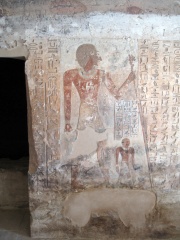
Ahmose, son of Ebana
NOBLEMAN
1600 BC - 1501 BC
HPI: 63.41
Rank: 11

He Dan Jia
POLITICIAN
1600 BC - 1535 BC
HPI: 63.29
Rank: 12
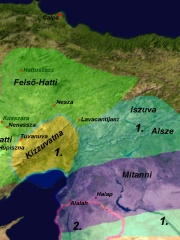
Zidanta I
POLITICIAN
1600 BC - 1600 BC
HPI: 63.12
Rank: 13

Zu Xin
POLITICIAN
1600 BC - 1491 BC
HPI: 62.83
Rank: 14
Others Deceased in 1540 BC
Go to all RankingsIn Egypt
Among people born in Egypt, Tetisheri ranks 207 out of NaN. Before her are Merit-Ptah (-2700), Mentuhotep III (-2050), Zahi Hawass (1947), Claude François (1939), Autobiography of Harkhuf (-2300), and Kiya (-1400). After her are Meketaten (-1348), Hemiunu (-2500), An-Nasir Muhammad (1285), Dhul-Nun al-Misri (796), As-Salih Ayyub (1205), and Mohammed Badie (1943).
Others born in Egypt
Go to all Rankings
Merit-Ptah
PHYSICIAN
2700 BC - 2659 BC
HPI: 67.68
Rank: 201
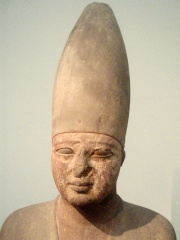
Mentuhotep III
POLITICIAN
2050 BC - 2005 BC
HPI: 67.63
Rank: 202
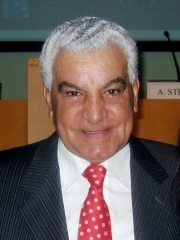
Zahi Hawass
ARCHAEOLOGIST
1947 - Present
HPI: 67.62
Rank: 203

Claude François
SINGER
1939 - 1978
HPI: 67.62
Rank: 204
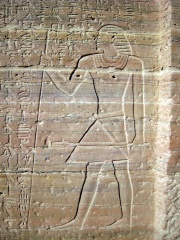
Autobiography of Harkhuf
POLITICIAN
2300 BC - 2259 BC
HPI: 67.47
Rank: 205
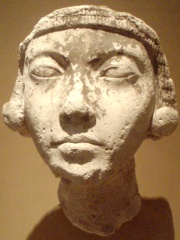
Kiya
POLITICIAN
1400 BC - 1400 BC
HPI: 67.46
Rank: 206
Tetisheri
POLITICIAN
1600 BC - 1540 BC
HPI: 67.40
Rank: 207
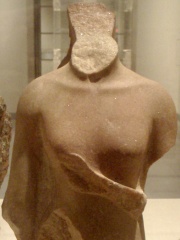
Meketaten
COMPANION
1348 BC - 1338 BC
HPI: 67.38
Rank: 208
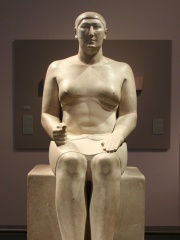
Hemiunu
ARCHITECT
2500 BC - 2501 BC
HPI: 67.31
Rank: 209
An-Nasir Muhammad
POLITICIAN
1285 - 1341
HPI: 67.30
Rank: 210

Dhul-Nun al-Misri
PHILOSOPHER
796 - 859
HPI: 67.23
Rank: 211
As-Salih Ayyub
POLITICIAN
1205 - 1249
HPI: 67.22
Rank: 212
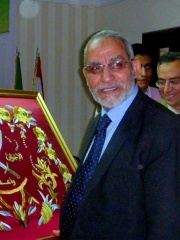
Mohammed Badie
POLITICIAN
1943 - Present
HPI: 67.21
Rank: 213
Among Politicians In Egypt
Among politicians born in Egypt, Tetisheri ranks 99. Before her are Intef III (-2050), Tewfik Pasha (1852), Thamphthis (-2600), Mentuhotep III (-2050), Autobiography of Harkhuf (-2300), and Kiya (-1400). After her are An-Nasir Muhammad (1285), As-Salih Ayyub (1205), Mohammed Badie (1943), Neferure (-1500), Abd al-Aziz ibn Musa (700), and Al-Mustansir Billah (1029).
Intef III
2050 BC - 2065 BC
HPI: 67.87
Rank: 93
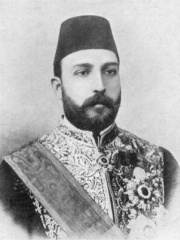
Tewfik Pasha
1852 - 1892
HPI: 67.81
Rank: 94

Thamphthis
2600 BC - 2560 BC
HPI: 67.79
Rank: 95
Mentuhotep III
2050 BC - 2005 BC
HPI: 67.63
Rank: 96
Autobiography of Harkhuf
2300 BC - 2259 BC
HPI: 67.47
Rank: 97
Kiya
1400 BC - 1400 BC
HPI: 67.46
Rank: 98
Tetisheri
1600 BC - 1540 BC
HPI: 67.40
Rank: 99
An-Nasir Muhammad
1285 - 1341
HPI: 67.30
Rank: 100
As-Salih Ayyub
1205 - 1249
HPI: 67.22
Rank: 101
Mohammed Badie
1943 - Present
HPI: 67.21
Rank: 102
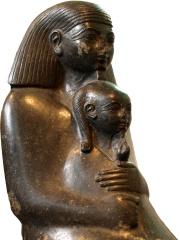
Neferure
1500 BC - 1500 BC
HPI: 66.95
Rank: 103

Abd al-Aziz ibn Musa
700 - 716
HPI: 66.86
Rank: 104
Al-Mustansir Billah
1029 - 1094
HPI: 66.71
Rank: 105