Politician
Mentuhotep III
2050 BC - 2005 BC
EN.WIKIPEDIA PAGE VIEWS (PV)
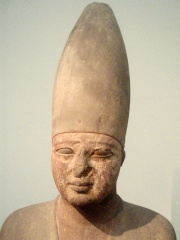
 Mentuhotep III
His biography is available in 37 different languages on Wikipedia. Mentuhotep III is the 4,200th most popular politician (down from 2,886th in 2024), the 202nd most popular biography from Egypt (down from 161st in 2019) and the 96th most popular Egyptian Politician.
Mentuhotep III was the last king of the 11th dynasty and was most famous for being the first ruler of the Middle Kingdom.
Memorability Metrics
Page views of Mentuhotep III by language
Among Politicians
Among politicians, Mentuhotep III ranks 4,200 out of 19,576. Before him are Daemusin of Goguryeo, Teófilo Braga, Carl Clauberg, Julia Gillard, Philotas, and Emperor Go-Kashiwabara. After him are Francisco Largo Caballero, Blanche II of Navarre, Ali ibn Yusuf, Jani Beg, Frederick Francis I, Grand Duke of Mecklenburg-Schwerin, and João Figueiredo.
Most Popular Politicians in Wikipedia
Go to all Rankings

Daemusin of Goguryeo
4 - 44
HPI: 67.64
Rank: 4,196
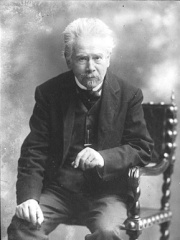
Teófilo Braga
1843 - 1924
HPI: 67.64
Rank: 4,197
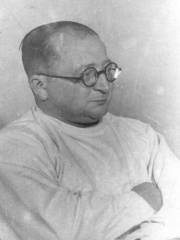
Carl Clauberg
1898 - 1957
HPI: 67.64
Rank: 4,198

Julia Gillard
1961 - Present
HPI: 67.64
Rank: 4,199
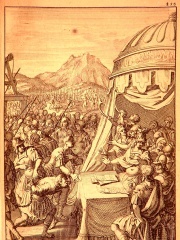
Philotas
365 BC - 330 BC
HPI: 67.64
Rank: 4,200

Emperor Go-Kashiwabara
1464 - 1526
HPI: 67.63
Rank: 4,201
Mentuhotep III
2050 BC - 2005 BC
HPI: 67.63
Rank: 4,202
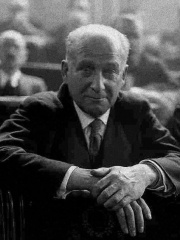
Francisco Largo Caballero
1869 - 1946
HPI: 67.63
Rank: 4,203
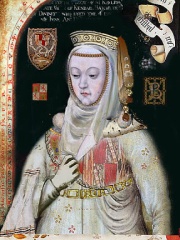
Blanche II of Navarre
1424 - 1464
HPI: 67.63
Rank: 4,204
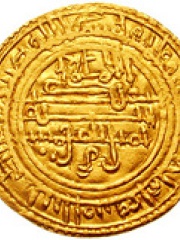
Ali ibn Yusuf
1083 - 1143
HPI: 67.63
Rank: 4,205
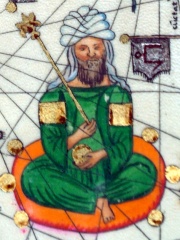
Jani Beg
1300 - 1357
HPI: 67.62
Rank: 4,206
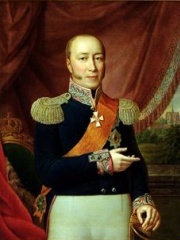
Frederick Francis I, Grand Duke of Mecklenburg-Schwerin
1756 - 1837
HPI: 67.62
Rank: 4,207
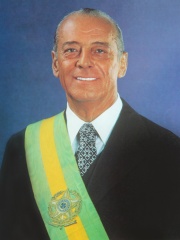
João Figueiredo
1918 - 1999
HPI: 67.62
Rank: 4,208

Contemporaries
Among people born in 2050 BC, Mentuhotep III ranks 2. Before him is Intef III. After him are Ibbi-Sin, and Puzur-Ashur I. Among people deceased in 2005 BC, Mentuhotep III ranks 1.
Others Born in 2050 BC
Go to all Rankings
Intef III
POLITICIAN
2050 BC - 2065 BC
HPI: 67.87
Rank: 1
Mentuhotep III
POLITICIAN
2050 BC - 2005 BC
HPI: 67.63
Rank: 2
Ibbi-Sin
POLITICIAN
2050 BC - Present
HPI: 66.29
Rank: 3

Puzur-Ashur I
POLITICIAN
2050 BC - 1970 BC
HPI: 54.97
Rank: 4
Others Deceased in 2005 BC
Go to all RankingsIn Egypt
Among people born in Egypt, Mentuhotep III ranks 202 out of NaN. Before him are Cosmas Indicopleustes (600), Al-Ashraf Khalil (1260), Intef III (-2050), Tewfik Pasha (1852), Thamphthis (-2600), and Merit-Ptah (-2700). After him are Zahi Hawass (1947), Claude François (1939), Autobiography of Harkhuf (-2300), Kiya (-1400), Tetisheri (-1600), and Meketaten (-1348).
Others born in Egypt
Go to all Rankings
Cosmas Indicopleustes
EXPLORER
600 - 550
HPI: 67.91
Rank: 196
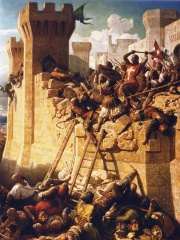
Al-Ashraf Khalil
POLITICIAN
1260 - 1293
HPI: 67.89
Rank: 197
Intef III
POLITICIAN
2050 BC - 2065 BC
HPI: 67.87
Rank: 198
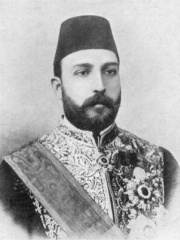
Tewfik Pasha
POLITICIAN
1852 - 1892
HPI: 67.81
Rank: 199

Thamphthis
POLITICIAN
2600 BC - 2560 BC
HPI: 67.79
Rank: 200

Merit-Ptah
PHYSICIAN
2700 BC - 2659 BC
HPI: 67.68
Rank: 201
Mentuhotep III
POLITICIAN
2050 BC - 2005 BC
HPI: 67.63
Rank: 202
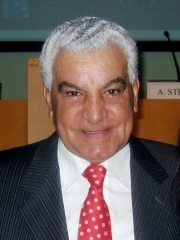
Zahi Hawass
ARCHAEOLOGIST
1947 - Present
HPI: 67.62
Rank: 203
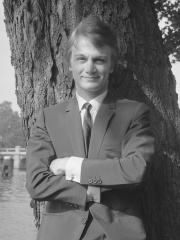
Claude François
SINGER
1939 - 1978
HPI: 67.62
Rank: 204
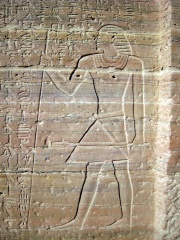
Autobiography of Harkhuf
POLITICIAN
2300 BC - 2259 BC
HPI: 67.47
Rank: 205
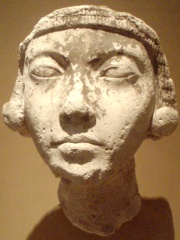
Kiya
POLITICIAN
1400 BC - 1400 BC
HPI: 67.46
Rank: 206
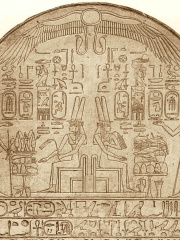
Tetisheri
POLITICIAN
1600 BC - 1540 BC
HPI: 67.40
Rank: 207
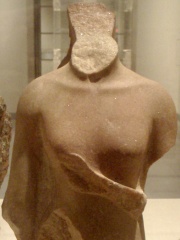
Meketaten
COMPANION
1348 BC - 1338 BC
HPI: 67.38
Rank: 208
Among Politicians In Egypt
Among politicians born in Egypt, Mentuhotep III ranks 96. Before him are Hetepheres I (-2700), Neferefre (-2500), Al-Ashraf Khalil (1260), Intef III (-2050), Tewfik Pasha (1852), and Thamphthis (-2600). After him are Autobiography of Harkhuf (-2300), Kiya (-1400), Tetisheri (-1600), An-Nasir Muhammad (1285), As-Salih Ayyub (1205), and Mohammed Badie (1943).
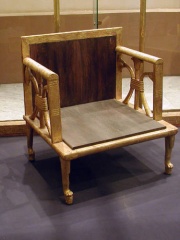
Hetepheres I
2700 BC - 2700 BC
HPI: 68.08
Rank: 90
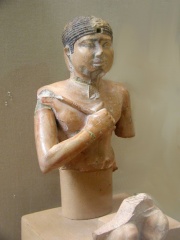
Neferefre
2500 BC - 2458 BC
HPI: 68.07
Rank: 91
Al-Ashraf Khalil
1260 - 1293
HPI: 67.89
Rank: 92
Intef III
2050 BC - 2065 BC
HPI: 67.87
Rank: 93
Tewfik Pasha
1852 - 1892
HPI: 67.81
Rank: 94
Thamphthis
2600 BC - 2560 BC
HPI: 67.79
Rank: 95
Mentuhotep III
2050 BC - 2005 BC
HPI: 67.63
Rank: 96
Autobiography of Harkhuf
2300 BC - 2259 BC
HPI: 67.47
Rank: 97
Kiya
1400 BC - 1400 BC
HPI: 67.46
Rank: 98
Tetisheri
1600 BC - 1540 BC
HPI: 67.40
Rank: 99
An-Nasir Muhammad
1285 - 1341
HPI: 67.30
Rank: 100
As-Salih Ayyub
1205 - 1249
HPI: 67.22
Rank: 101
Mohammed Badie
1943 - Present
HPI: 67.21
Rank: 102