政治家
Sobekhotep IV
1700 BC - 1720 BC
JA.WIKIPEDIA PAGE VIEWS (PV)
 Sobekhotep IV
Memorability Metrics
Page views of Sobekhotep IV by language
Among 政治家
Among 政治家, Sobekhotep IV ranks 7,584 out of 19,576. Before him are Marcus Antonius Creticus, Frits Bolkestein, Peire Vidal, Paul Wolfowitz, Senjūrō Hayashi, and Jean Rey. After him are Bruno Streckenbach, Eugène-Henri Gravelotte, Sophia of Halshany, Philip J. Pierre, Cochise, and Loretta Lynch.
Most Popular 政治家 in Wikipedia
Go to all Rankings

Marcus Antonius Creticus
115 BC - 71 BC
HPI: 63.60
Rank: 7,581
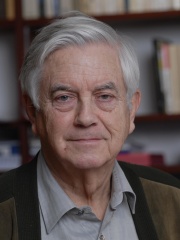
Frits Bolkestein
1933 - 2025
HPI: 63.60
Rank: 7,582
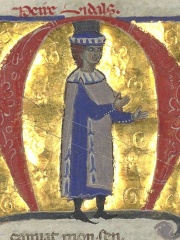
Peire Vidal
1140 - 1205
HPI: 63.60
Rank: 7,583
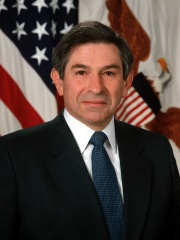
Paul Wolfowitz
1943 - Present
HPI: 63.59
Rank: 7,584
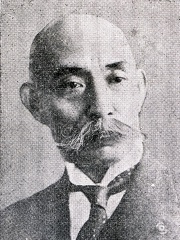
Senjūrō Hayashi
1876 - 1943
HPI: 63.59
Rank: 7,585
Jean Rey
1902 - 1983
HPI: 63.59
Rank: 7,586
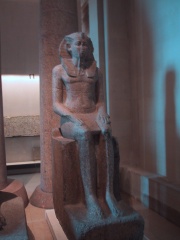
Sobekhotep IV
1700 BC - 1720 BC
HPI: 63.59
Rank: 7,587
Bruno Streckenbach
1902 - 1977
HPI: 63.59
Rank: 7,588
Eugène-Henri Gravelotte
1876 - 1939
HPI: 63.59
Rank: 7,589
Sophia of Halshany
1405 - Present
HPI: 63.59
Rank: 7,590

Philip J. Pierre
1954 - Present
HPI: 63.59
Rank: 7,591
Cochise
1805 - 1874
HPI: 63.58
Rank: 7,592
Loretta Lynch
1959 - Present
HPI: 63.58
Rank: 7,593

Contemporaries
Among people born in 1700 BC, Sobekhotep IV ranks 14. Before him are Senebkay, Tai Geng, Khyan, Samsu-Ditana, Merhotepre Sobekhotep, and Yong Ji. After him are Salitis, Agum II, Sheshi, Sobekhotep VI, Xiao Jia, and Yaqub-Har. Among people deceased in 1720 BC, Sobekhotep IV ranks 2. Before him is Tai Jia.
Others Born in 1700 BC
Go to all Rankings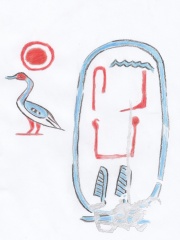
Senebkay
RELIGIOUS FIGURE
1700 BC - 1700 BC
HPI: 65.10
Rank: 8

Tai Geng
POLITICIAN
1700 BC - 1667 BC
HPI: 64.75
Rank: 9
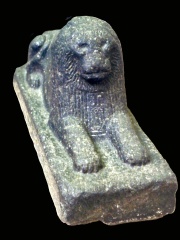
Khyan
POLITICIAN
1700 BC - 1600 BC
HPI: 64.65
Rank: 10

Samsu-Ditana
POLITICIAN
1700 BC - 1600 BC
HPI: 64.03
Rank: 11
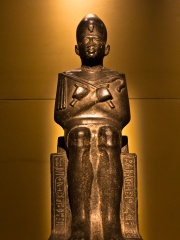
Merhotepre Sobekhotep
POLITICIAN
1700 BC - 1700 BC
HPI: 63.80
Rank: 12

Yong Ji
POLITICIAN
1700 BC - 1700 BC
HPI: 63.77
Rank: 13
Sobekhotep IV
POLITICIAN
1700 BC - 1720 BC
HPI: 63.59
Rank: 14
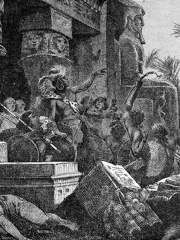
Salitis
POLITICIAN
1700 BC - 1700 BC
HPI: 63.47
Rank: 15
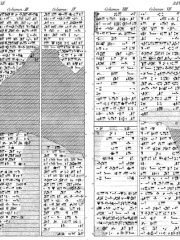
Agum II
POLITICIAN
1700 BC - 1600 BC
HPI: 62.77
Rank: 16
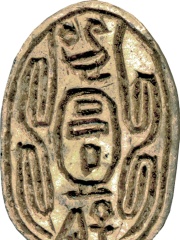
Sheshi
NOBLEMAN
1700 BC - 1700 BC
HPI: 62.57
Rank: 17
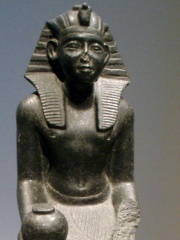
Sobekhotep VI
POLITICIAN
1700 BC - 1700 BC
HPI: 62.09
Rank: 18

Xiao Jia
POLITICIAN
1700 BC - 1700 BC
HPI: 60.84
Rank: 19
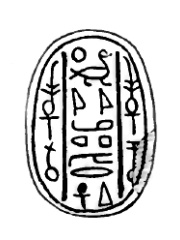
Yaqub-Har
POLITICIAN
1700 BC - 1660 BC
HPI: 60.28
Rank: 20
Others Deceased in 1720 BC
Go to all Rankings
Tai Jia
POLITICIAN
1550 BC - 1720 BC
HPI: 64.21
Rank: 1
Sobekhotep IV
POLITICIAN
1700 BC - 1720 BC
HPI: 63.59
Rank: 2
In エジプト
Among people born in エジプト, Sobekhotep IV ranks 306 out of NaN. Before him are Takelot I (-1000), Neferkare II (-2150), Ali ibn Ridwan (988), Omar Suleiman (1936), Jawhar (911), and Nepherites II (-400). After him are Menas of Constantinople (null), Prince Rahotep (-2700), Isidore of Pelusium (370), Pope Anianus of Alexandria (100), Ahmose, son of Ebana (-1600), and Neferhotep I (-1800).
Others born in エジプト
Go to all Rankings
Takelot I
POLITICIAN
1000 BC - 874 BC
HPI: 63.72
Rank: 300
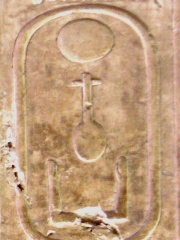
Neferkare II
POLITICIAN
2150 BC - 2055 BC
HPI: 63.71
Rank: 301
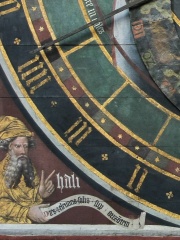
Ali ibn Ridwan
PHYSICIAN
988 - 1061
HPI: 63.64
Rank: 302

Omar Suleiman
POLITICIAN
1936 - 2012
HPI: 63.62
Rank: 303

Jawhar
MILITARY PERSONNEL
911 - 992
HPI: 63.61
Rank: 304

Nepherites II
POLITICIAN
400 BC - 380 BC
HPI: 63.60
Rank: 305
Sobekhotep IV
POLITICIAN
1700 BC - 1720 BC
HPI: 63.59
Rank: 306
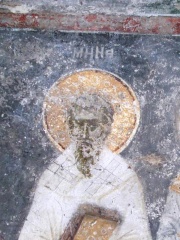
Menas of Constantinople
RELIGIOUS FIGURE
HPI: 63.54
Rank: 307
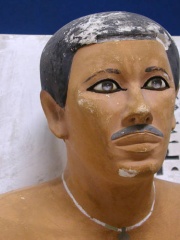
Prince Rahotep
POLITICIAN
2700 BC - 2700 BC
HPI: 63.54
Rank: 308
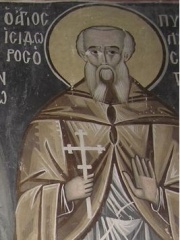
Isidore of Pelusium
RELIGIOUS FIGURE
370 - 440
HPI: 63.53
Rank: 309

Pope Anianus of Alexandria
RELIGIOUS FIGURE
100 - 82
HPI: 63.42
Rank: 310
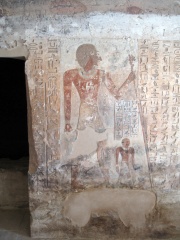
Ahmose, son of Ebana
NOBLEMAN
1600 BC - 1501 BC
HPI: 63.41
Rank: 311
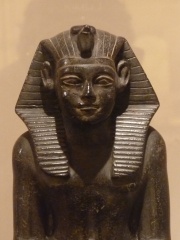
Neferhotep I
POLITICIAN
1800 BC - 1730 BC
HPI: 63.39
Rank: 312
Among 政治家 In エジプト
Among 政治家 born in エジプト, Sobekhotep IV ranks 145. Before him are Khamudi (-1549), Arnuwanda II (-1400), Takelot I (-1000), Neferkare II (-2150), Omar Suleiman (1936), and Nepherites II (-400). After him are Prince Rahotep (-2700), Neferhotep I (-1800), Hor (-1800), Boutros Ghali (1846), Menkare (-2200), and Ahmed Aboul Gheit (1942).
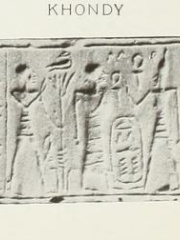
Khamudi
1549 BC - 1600 BC
HPI: 63.98
Rank: 139

Arnuwanda II
1400 BC - 1400 BC
HPI: 63.90
Rank: 140
Takelot I
1000 BC - 874 BC
HPI: 63.72
Rank: 141
Neferkare II
2150 BC - 2055 BC
HPI: 63.71
Rank: 142
Omar Suleiman
1936 - 2012
HPI: 63.62
Rank: 143
Nepherites II
400 BC - 380 BC
HPI: 63.60
Rank: 144
Sobekhotep IV
1700 BC - 1720 BC
HPI: 63.59
Rank: 145
Prince Rahotep
2700 BC - 2700 BC
HPI: 63.54
Rank: 146
Neferhotep I
1800 BC - 1730 BC
HPI: 63.39
Rank: 147
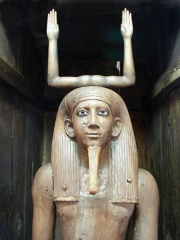
Hor
1800 BC - 1800 BC
HPI: 63.25
Rank: 148
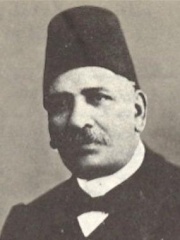
Boutros Ghali
1846 - 1910
HPI: 62.93
Rank: 149

Menkare
2200 BC - 2200 BC
HPI: 62.88
Rank: 150
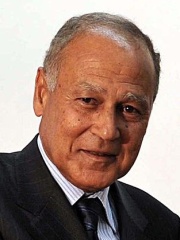
Ahmed Aboul Gheit
1942 - Present
HPI: 62.69
Rank: 151