Physicist
Niels Bohr
1885 - 1962
EN.WIKIPEDIA PAGE VIEWS (PV)
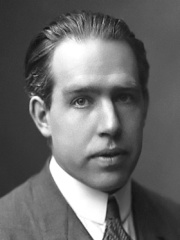
 Niels Bohr
His biography is available in 141 different languages on Wikipedia (up from 140 in 2024). Niels Bohr is the 8th most popular physicist (up from 12th in 2024), the 4th most popular biography from Denmark and the most popular Danish Physicist.
Niels Bohr is most famous for the Bohr model of the atom, which he created in 1913. The Bohr model of the atom is a model of the atom that was first proposed by Niels Bohr. It is also known as the Rutherford-Bohr model. The Bohr model of the atom is a model of the atom that was first proposed by Niels Bohr. It is also known as the Rutherford-Bohr model.
Memorability Metrics
Page views of Niels Bohr by language
Among Physicists
Among physicists, Niels Bohr ranks 8 out of 851. Before him are Albert Einstein, Marie Curie, J. Robert Oppenheimer, Stephen Hawking, Wilhelm Röntgen, and Michael Faraday. After him are Hans Christian Ørsted, Max Planck, Alessandro Volta, Albert A. Michelson, Pierre Curie, and André-Marie Ampère.
Most Popular Physicists in Wikipedia
Go to all Rankings
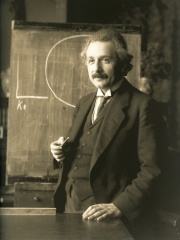
Albert Einstein
1879 - 1955
HPI: 94.83
Rank: 2
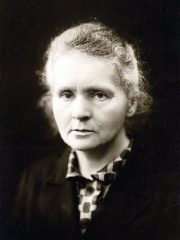
Marie Curie
1867 - 1934
HPI: 94.30
Rank: 3
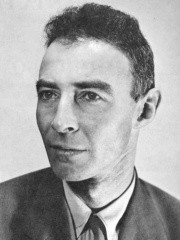
J. Robert Oppenheimer
1904 - 1967
HPI: 90.85
Rank: 4
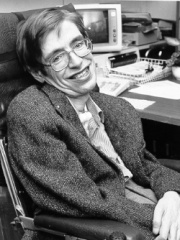
Stephen Hawking
1942 - 2018
HPI: 88.36
Rank: 5
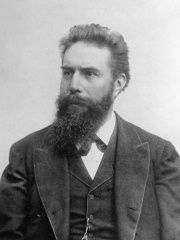
Wilhelm Röntgen
1845 - 1923
HPI: 87.15
Rank: 6
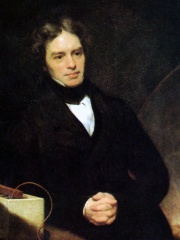
Michael Faraday
1791 - 1867
HPI: 86.08
Rank: 7
Niels Bohr
1885 - 1962
HPI: 85.49
Rank: 8
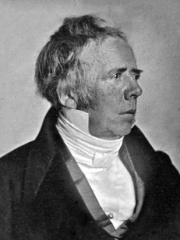
Hans Christian Ørsted
1777 - 1851
HPI: 85.42
Rank: 9

Max Planck
1858 - 1947
HPI: 85.41
Rank: 10
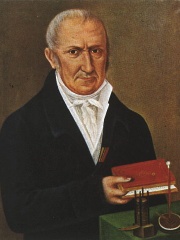
Alessandro Volta
1745 - 1827
HPI: 85.34
Rank: 11
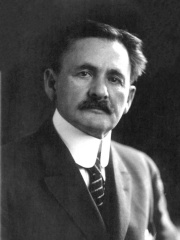
Albert A. Michelson
1852 - 1931
HPI: 84.49
Rank: 12
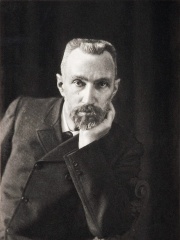
Pierre Curie
1859 - 1906
HPI: 84.35
Rank: 13
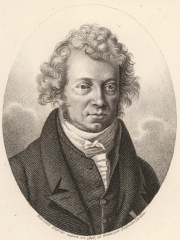
André-Marie Ampère
1775 - 1836
HPI: 84.30
Rank: 14

Contemporaries
Among people born in 1885, Niels Bohr ranks 1. After him are D. H. Lawrence, Princess Alice of Battenberg, Ezra Pound, Faisal I of Iraq, Clementine Churchill, Alban Berg, Karen Blixen, György Lukács, Albert Kesselring, George S. Patton, and François Mauriac. Among people deceased in 1962, Niels Bohr ranks 3. Before him are Marilyn Monroe, and Eleanor Roosevelt. After him are Hermann Hesse, Adolf Eichmann, William Faulkner, Wilhelmina of the Netherlands, Stuart Sutcliffe, Karen Blixen, Lucky Luciano, Arthur Compton, and Georges Bataille.
Others Born in 1885
Go to all RankingsNiels Bohr
PHYSICIST
1885 - 1962
HPI: 85.49
Rank: 1
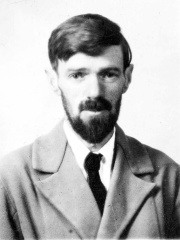
D. H. Lawrence
WRITER
1885 - 1930
HPI: 82.80
Rank: 2
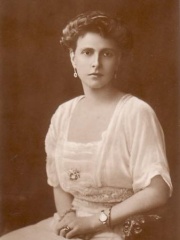
Princess Alice of Battenberg
NOBLEMAN
1885 - 1969
HPI: 81.55
Rank: 3
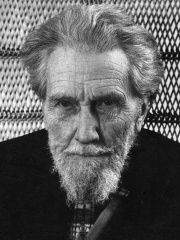
Ezra Pound
WRITER
1885 - 1972
HPI: 80.47
Rank: 4
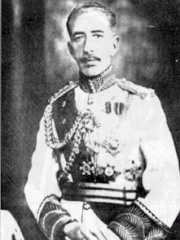
Faisal I of Iraq
POLITICIAN
1885 - 1933
HPI: 77.93
Rank: 5
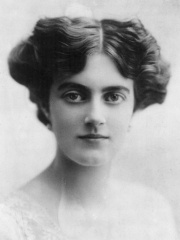
Clementine Churchill
POLITICIAN
1885 - 1977
HPI: 76.67
Rank: 6
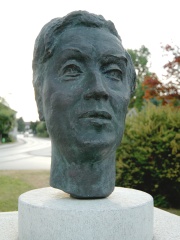
Alban Berg
COMPOSER
1885 - 1935
HPI: 76.26
Rank: 7
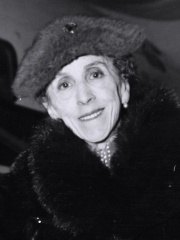
Karen Blixen
WRITER
1885 - 1962
HPI: 75.85
Rank: 8
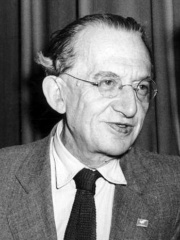
György Lukács
PHILOSOPHER
1885 - 1971
HPI: 75.73
Rank: 9
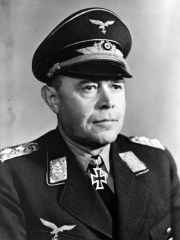
Albert Kesselring
MILITARY PERSONNEL
1885 - 1960
HPI: 75.66
Rank: 10
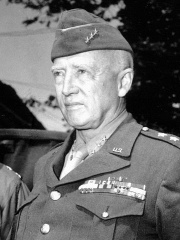
George S. Patton
MILITARY PERSONNEL
1885 - 1945
HPI: 75.61
Rank: 11
François Mauriac
WRITER
1885 - 1970
HPI: 75.36
Rank: 12
Others Deceased in 1962
Go to all Rankings
Marilyn Monroe
ACTOR
1926 - 1962
HPI: 88.57
Rank: 1
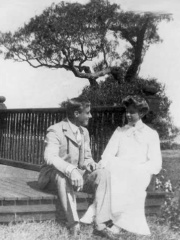
Eleanor Roosevelt
SOCIAL ACTIVIST
1884 - 1962
HPI: 86.11
Rank: 2
Niels Bohr
PHYSICIST
1885 - 1962
HPI: 85.49
Rank: 3
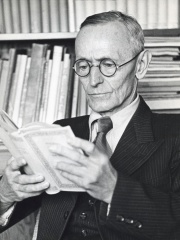
Hermann Hesse
WRITER
1877 - 1962
HPI: 85.13
Rank: 4
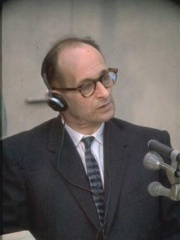
Adolf Eichmann
MILITARY PERSONNEL
1906 - 1962
HPI: 83.12
Rank: 5
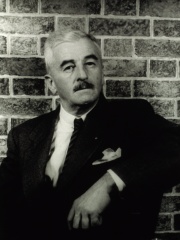
William Faulkner
WRITER
1897 - 1962
HPI: 78.87
Rank: 6
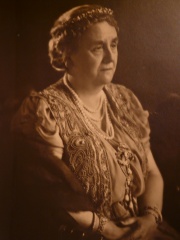
Wilhelmina of the Netherlands
POLITICIAN
1880 - 1962
HPI: 77.75
Rank: 7

Stuart Sutcliffe
MUSICIAN
1940 - 1962
HPI: 76.65
Rank: 8
Karen Blixen
WRITER
1885 - 1962
HPI: 75.85
Rank: 9
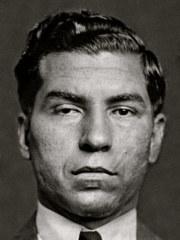
Lucky Luciano
MAFIOSO
1897 - 1962
HPI: 74.76
Rank: 10
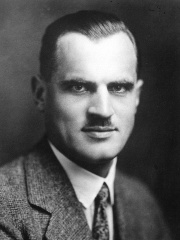
Arthur Compton
PHYSICIST
1892 - 1962
HPI: 74.74
Rank: 11
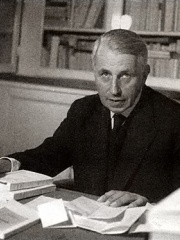
Georges Bataille
WRITER
1897 - 1962
HPI: 73.51
Rank: 12
In Denmark
Among people born in Denmark, Niels Bohr ranks 4 out of NaN. Before him are Hans Christian Andersen (1805), Cnut the Great (995), and Margrethe II of Denmark (1940). After him are Hans Christian Ørsted (1777), Søren Kierkegaard (1813), Harald Bluetooth (935), Haakon VII of Norway (1872), Frederick IX of Denmark (1899), Margaret I of Denmark (1353), Christian X of Denmark (1870), and Karl Adolph Gjellerup (1857).
Others born in Denmark
Go to all Rankings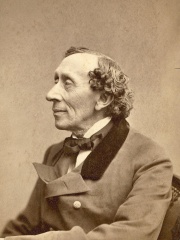
Hans Christian Andersen
WRITER
1805 - 1875
HPI: 90.14
Rank: 1
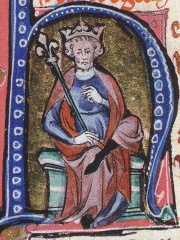
Cnut the Great
POLITICIAN
995 - 1035
HPI: 87.99
Rank: 2
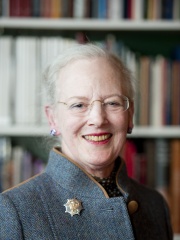
Margrethe II of Denmark
NOBLEMAN
1940 - Present
HPI: 86.69
Rank: 3
Niels Bohr
PHYSICIST
1885 - 1962
HPI: 85.49
Rank: 4
Hans Christian Ørsted
PHYSICIST
1777 - 1851
HPI: 85.42
Rank: 5
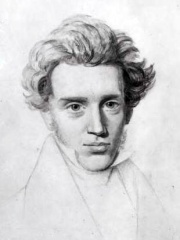
Søren Kierkegaard
PHILOSOPHER
1813 - 1855
HPI: 84.47
Rank: 6
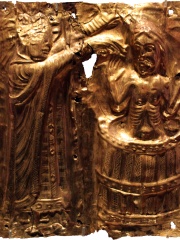
Harald Bluetooth
POLITICIAN
935 - 986
HPI: 83.17
Rank: 7
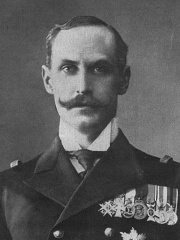
Haakon VII of Norway
POLITICIAN
1872 - 1957
HPI: 82.79
Rank: 8
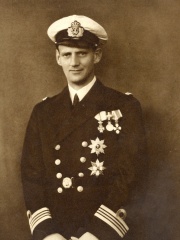
Frederick IX of Denmark
POLITICIAN
1899 - 1972
HPI: 81.91
Rank: 9
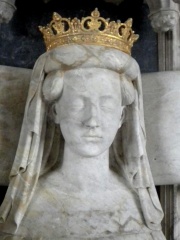
Margaret I of Denmark
POLITICIAN
1353 - 1412
HPI: 81.56
Rank: 10
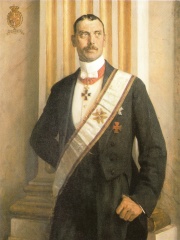
Christian X of Denmark
POLITICIAN
1870 - 1947
HPI: 81.17
Rank: 11
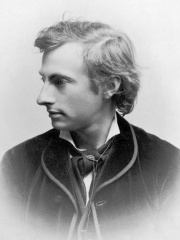
Karl Adolph Gjellerup
WRITER
1857 - 1919
HPI: 79.92
Rank: 12
Among Physicists In Denmark
Among physicists born in Denmark, Niels Bohr ranks 1. After him are Hans Christian Ørsted (1777), Aage Bohr (1922), Martin Knudsen (1871), Ole Worm (1588), Ludvig Lorenz (1829), Lene Hau (1959), and Henrik Svensmark (1958).
Niels Bohr
1885 - 1962
HPI: 85.49
Rank: 1
Hans Christian Ørsted
1777 - 1851
HPI: 85.42
Rank: 2
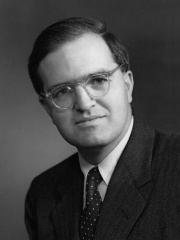
Aage Bohr
1922 - 2009
HPI: 75.84
Rank: 3
Martin Knudsen
1871 - 1949
HPI: 60.75
Rank: 4
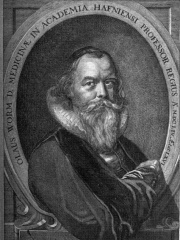
Ole Worm
1588 - 1654
HPI: 59.64
Rank: 5
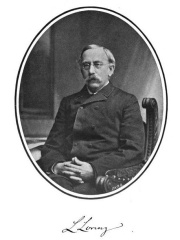
Ludvig Lorenz
1829 - 1891
HPI: 59.20
Rank: 6
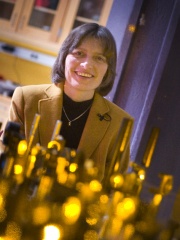
Lene Hau
1959 - Present
HPI: 52.96
Rank: 7
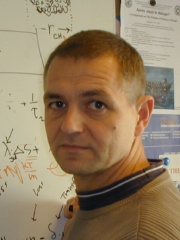
Henrik Svensmark
1958 - Present
HPI: 52.07
Rank: 8