Filozof
Martin Chemnitz
1522 - obecnie
PL.WIKIPEDIA PAGE VIEWS (PV)
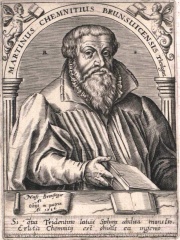
 Martin Chemnitz
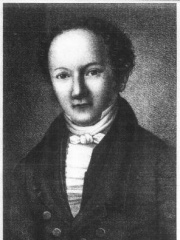
Martin Chemnitz (ur. 9 listopada 1522 w Treuenbrietzen, zm. 8 kwietnia 1586 w Brunszwiku) – niemiecki działacz reformacyjny, jeden z najważniejszych teologów luterańskich XVI wieku, współtwórca Formuły zgody, ostatniej księgi symbolicznej luteranizmu. Czytaj więcej w Wikipedii
Jego biografia jest dostępna w 18 różnych językach w Wikipedii. Martin Chemnitz jest 1077. najpopularniejszym filozof (wzrost z 1131. w 2024 roku), 4258. najpopularniejszą biografią Niemcy (wzrost z 4581. w 2019 roku) oraz 135. najpopularniejszym filozof Niemcy.
Memorability Metrics
Page views of Martin Chemnitz by language
Among Filozofs
Among filozofs, Martin Chemnitz ranks 1,077 out of 1,267. Before him are Ioane Petritsi, Mary Daly, Damaris Cudworth Masham, Anandavardhana, Rambhadracharya, and Mario Perniola. After him are Carole Pateman, Immanuel Hermann Fichte, Hirata Atsutane, Josiah Royce, Helene von Druskowitz, and Ivan Merz.
Most Popular Filozofs in Wikipedia
Go to all Rankings
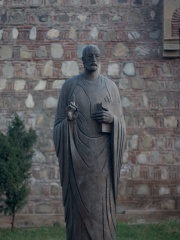
Ioane Petritsi
1050 - 1200
HPI: 57.40
Rank: 1,071
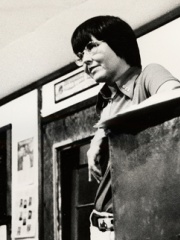
Mary Daly
1928 - 2010
HPI: 57.39
Rank: 1,072

Damaris Cudworth Masham
1659 - 1708
HPI: 57.36
Rank: 1,073

Anandavardhana
820 - 890
HPI: 57.36
Rank: 1,074

Rambhadracharya
1950 - Present
HPI: 57.33
Rank: 1,075

Mario Perniola
1941 - 2018
HPI: 57.32
Rank: 1,076
Martin Chemnitz
1522 - Present
HPI: 57.31
Rank: 1,077
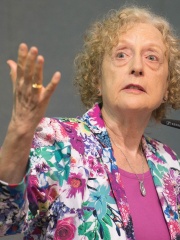
Carole Pateman
1940 - Present
HPI: 57.28
Rank: 1,078
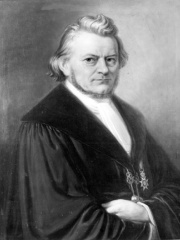
Immanuel Hermann Fichte
1796 - 1879
HPI: 57.26
Rank: 1,079
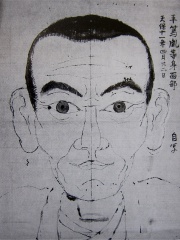
Hirata Atsutane
1776 - 1843
HPI: 57.26
Rank: 1,080
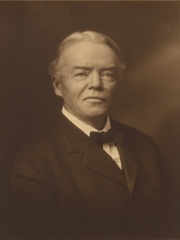
Josiah Royce
1855 - 1916
HPI: 57.26
Rank: 1,081

Helene von Druskowitz
1856 - 1918
HPI: 57.20
Rank: 1,082

Ivan Merz
1896 - 1928
HPI: 57.18
Rank: 1,083

Contemporaries
Among people born in 1522, Martin Chemnitz ranks 21. Before him are Moses ben Jacob Cordovero, Honoré I, Lord of Monaco, Albert Alcibiades, Margrave of Brandenburg-Kulmbach, Dirck Coornhert, Sophia Jagiellon, Duchess of Brunswick-Lüneburg, and Jacques Cujas. After him is Philothei of Athens.
Others Born in 1522
Go to all Rankings
Moses ben Jacob Cordovero
RELIGIOUS FIGURE
1522 - 1570
HPI: 62.55
Rank: 15
Honoré I, Lord of Monaco
POLITICIAN
1522 - 1581
HPI: 62.43
Rank: 16
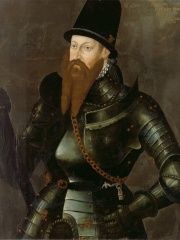
Albert Alcibiades, Margrave of Brandenburg-Kulmbach
POLITICIAN
1522 - 1557
HPI: 61.66
Rank: 17
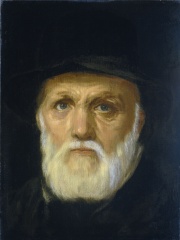
Dirck Coornhert
PHILOSOPHER
1522 - 1590
HPI: 59.61
Rank: 18
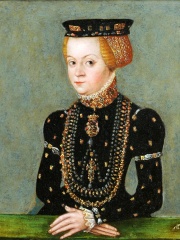
Sophia Jagiellon, Duchess of Brunswick-Lüneburg
NOBLEMAN
1522 - 1575
HPI: 59.33
Rank: 19
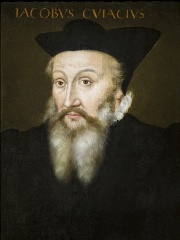
Jacques Cujas
PHILOSOPHER
1522 - 1590
HPI: 58.83
Rank: 20
Martin Chemnitz
PHILOSOPHER
1522 - Present
HPI: 57.31
Rank: 21
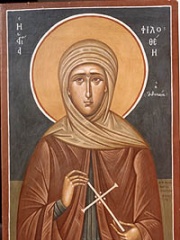
Philothei of Athens
RELIGIOUS FIGURE
1522 - 1589
HPI: 57.13
Rank: 22
In Niemcy
Among people born in Niemcy, Martin Chemnitz ranks 4,259 out of NaN. Before him are Rudolf Augstein (1923), Adrian Sutil (1983), Otto Waalkes (1948), Karl Theodor Ernst von Siebold (1804), and Franz Babinger (1891). After him are Lewis A. Coser (1913), Rosi Mittermaier (1950), Ernst Zündel (1939), Hans Apel (1932), Princess Marie Alexandrine of Saxe-Weimar-Eisenach (1849), Elly Ney (1882), and Gottlieb von Jagow (1863).
Others born in Niemcy
Go to all Rankings
Rudolf Augstein
POLITICIAN
1923 - 2002
HPI: 57.32
Rank: 4,254
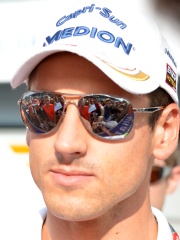
Adrian Sutil
RACING DRIVER
1983 - Present
HPI: 57.32
Rank: 4,255
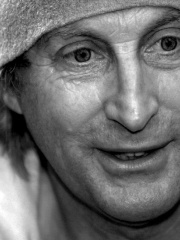
Otto Waalkes
ACTOR
1948 - Present
HPI: 57.32
Rank: 4,256
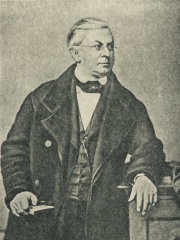
Karl Theodor Ernst von Siebold
BIOLOGIST
1804 - 1885
HPI: 57.31
Rank: 4,257

Franz Babinger
HISTORIAN
1891 - 1967
HPI: 57.31
Rank: 4,258
Martin Chemnitz
PHILOSOPHER
1522 - Present
HPI: 57.31
Rank: 4,259

Lewis A. Coser
SOCIOLOGIST
1913 - 2003
HPI: 57.30
Rank: 4,260

Rosi Mittermaier
SKIER
1950 - 2023
HPI: 57.30
Rank: 4,261

Ernst Zündel
EXTREMIST
1939 - 2017
HPI: 57.30
Rank: 4,262
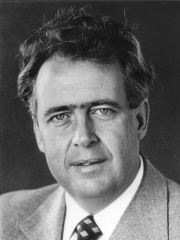
Hans Apel
POLITICIAN
1932 - 2011
HPI: 57.30
Rank: 4,263
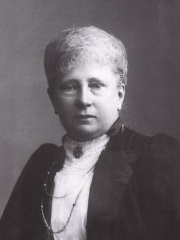
Princess Marie Alexandrine of Saxe-Weimar-Eisenach
POLITICIAN
1849 - 1922
HPI: 57.29
Rank: 4,264
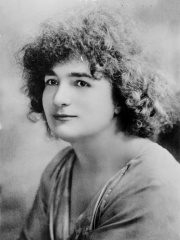
Elly Ney
MUSICIAN
1882 - 1968
HPI: 57.29
Rank: 4,265
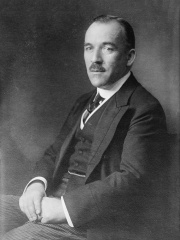
Gottlieb von Jagow
POLITICIAN
1863 - 1935
HPI: 57.29
Rank: 4,266
Among Filozofs In Niemcy
Among filozofs born in Niemcy, Martin Chemnitz ranks 135. Before him are Justus Möser (1720), Friedrich Wilhelm Foerster (1869), Carl Dahlhaus (1928), Heymann Steinthal (1823), Friedrich Eduard Beneke (1798), and Robert Spaemann (1927). After him are Immanuel Hermann Fichte (1796), Max Dessoir (1867), Georg Anton Friedrich Ast (1778), Theodor Benfey (1809), Hermann Gunkel (1862), and Wilhelm Gesenius (1786).
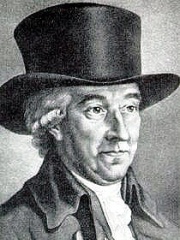
Justus Möser
1720 - 1794
HPI: 58.15
Rank: 129
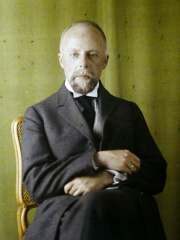
Friedrich Wilhelm Foerster
1869 - 1966
HPI: 57.95
Rank: 130
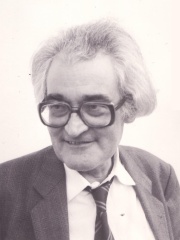
Carl Dahlhaus
1928 - 1989
HPI: 57.88
Rank: 131
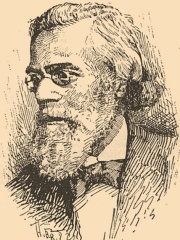
Heymann Steinthal
1823 - 1899
HPI: 57.85
Rank: 132
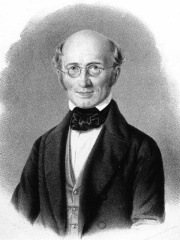
Friedrich Eduard Beneke
1798 - 1854
HPI: 57.55
Rank: 133

Robert Spaemann
1927 - 2018
HPI: 57.43
Rank: 134
Martin Chemnitz
1522 - Present
HPI: 57.31
Rank: 135
Immanuel Hermann Fichte
1796 - 1879
HPI: 57.26
Rank: 136
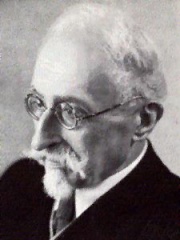
Max Dessoir
1867 - 1947
HPI: 57.09
Rank: 137

Georg Anton Friedrich Ast
1778 - 1841
HPI: 57.08
Rank: 138
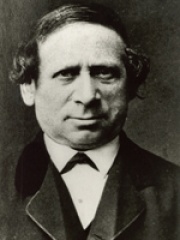
Theodor Benfey
1809 - 1881
HPI: 56.95
Rank: 139
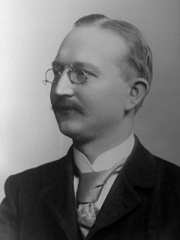
Hermann Gunkel
1862 - 1932
HPI: 56.75
Rank: 140
Wilhelm Gesenius
1786 - 1842
HPI: 56.70
Rank: 141