Polityk
Liu Bei
161 - 223
PL.WIKIPEDIA PAGE VIEWS (PV)
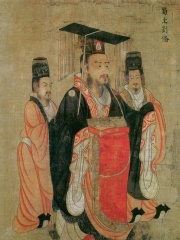
 Liu Bei
Liu Bei, imię publiczne: Xuande chiń. 孟德 (ur. 162, zm. 21 czerwca 223) – chiński wojskowy i polityk, założyciel i pierwszy władca państwa Shu Han w latach 221–223. Czytaj więcej w Wikipedii
Jego biografia jest dostępna w 43 różnych językach w Wikipedii. Liu Bei jest 552. najpopularniejszym polityk (spadek z 344. w 2024 roku), 37. najpopularniejszą biografią Chiny (spadek z 24. w 2019 roku) oraz 19. najpopularniejszym polityk Chiny.
Memorability Metrics
Page views of Liu Bei by language
Among Polityks
Among polityks, Liu Bei ranks 550 out of 19,576. Before him are Ayub Khan, Baldwin V of Jerusalem, Mustafa II, and Philip VI of France. After him are Cambyses II, Frederick III, Holy Roman Emperor, William Pitt, 1st Earl of Chatham, Stephen Báthory, Zenobia, Frederick William IV of Prussia, Ashraf Ghani, and Sargon of Akkad.
Most Popular Polityks in Wikipedia
Go to all Rankings
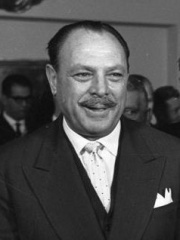
Ayub Khan
1907 - 1974
HPI: 78.74
Rank: 546
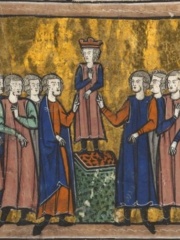
Baldwin V of Jerusalem
1177 - 1186
HPI: 78.73
Rank: 547
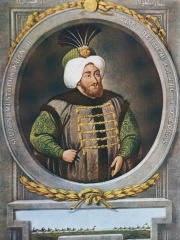
Mustafa II
1664 - 1703
HPI: 78.73
Rank: 548
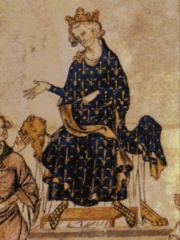
Philip VI of France
1293 - 1350
HPI: 78.72
Rank: 549
Liu Bei
161 - 223
HPI: 78.72
Rank: 550
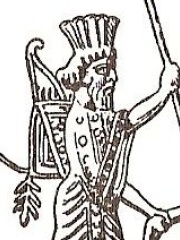
Cambyses II
550 BC - 522 BC
HPI: 78.72
Rank: 551
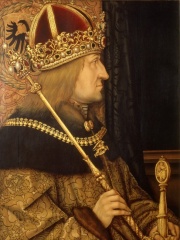
Frederick III, Holy Roman Emperor
1415 - 1493
HPI: 78.71
Rank: 552
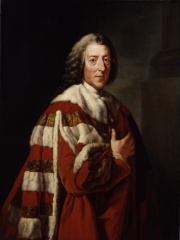
William Pitt, 1st Earl of Chatham
1708 - 1778
HPI: 78.70
Rank: 553
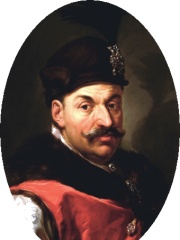
Stephen Báthory
1533 - 1586
HPI: 78.70
Rank: 554
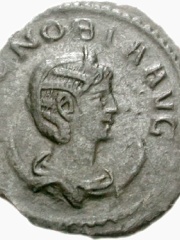
Zenobia
240 - 275
HPI: 78.70
Rank: 555
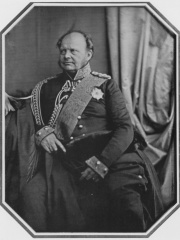
Frederick William IV of Prussia
1795 - 1861
HPI: 78.69
Rank: 556
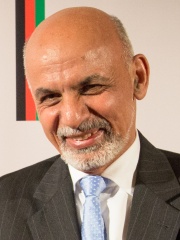
Ashraf Ghani
1949 - Present
HPI: 78.69
Rank: 557
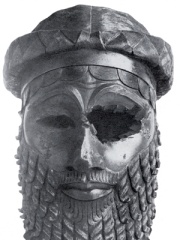
Sargon of Akkad
2300 BC - 2215 BC
HPI: 78.68
Rank: 558

Contemporaries
Among people born in 161, Liu Bei ranks 2. Before him is Commodus. After him is Lü Bu. Among people deceased in 223, Liu Bei ranks 1. After him are Pope Callixtus I, Athenaeus, Cao Ren, Jia Xu, Zhou Tai, and Cao Zhang.
Others Born in 161
Go to all Rankings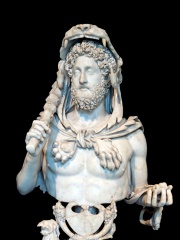
Commodus
POLITICIAN
161 - 192
HPI: 89.79
Rank: 1
Liu Bei
POLITICIAN
161 - 223
HPI: 78.72
Rank: 2
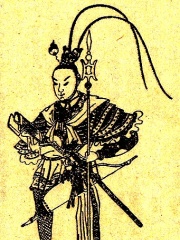
Lü Bu
MILITARY PERSONNEL
161 - 199
HPI: 77.65
Rank: 3
Others Deceased in 223
Go to all RankingsLiu Bei
POLITICIAN
161 - 223
HPI: 78.72
Rank: 1
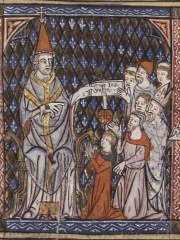
Pope Callixtus I
RELIGIOUS FIGURE
180 - 223
HPI: 75.70
Rank: 2

Athenaeus
WRITER
200 - 223
HPI: 73.38
Rank: 3
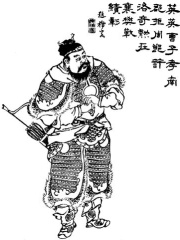
Cao Ren
MILITARY PERSONNEL
168 - 223
HPI: 67.28
Rank: 4
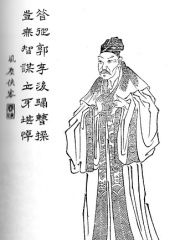
Jia Xu
POLITICIAN
147 - 223
HPI: 66.63
Rank: 5
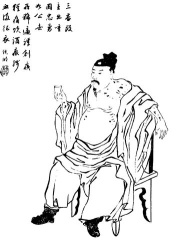
Zhou Tai
MILITARY PERSONNEL
163 - 223
HPI: 64.68
Rank: 6
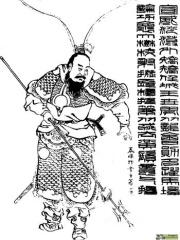
Cao Zhang
POLITICIAN
190 - 223
HPI: 63.45
Rank: 7
In Chiny
Among people born in Chiny, Liu Bei ranks 37 out of NaN. Before him are Jiang Zemin (1926), Toshiro Mifune (1920), Zhuge Liang (181), Kangxi Emperor (1654), Xuanzang (602), and Hongwu Emperor (1328). After him are Guan Yu (162), Yongle Emperor (1360), Zhou Enlai (1898), Emperor Taizong of Tang (598), Emperor Wu of Han (-156), and Lü Bu (161).
Others born in Chiny
Go to all Rankings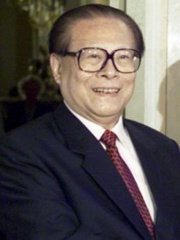
Jiang Zemin
POLITICIAN
1926 - 2022
HPI: 79.12
Rank: 31
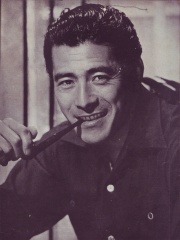
Toshiro Mifune
ACTOR
1920 - 1997
HPI: 79.11
Rank: 32
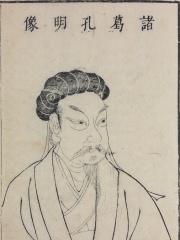
Zhuge Liang
ENGINEER
181 - 234
HPI: 79.02
Rank: 33
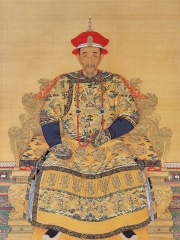
Kangxi Emperor
POLITICIAN
1654 - 1722
HPI: 78.96
Rank: 34
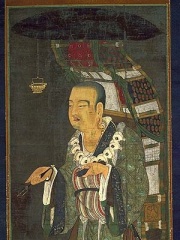
Xuanzang
EXPLORER
602 - 664
HPI: 78.93
Rank: 35
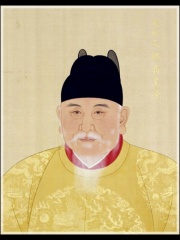
Hongwu Emperor
POLITICIAN
1328 - 1398
HPI: 78.82
Rank: 36
Liu Bei
POLITICIAN
161 - 223
HPI: 78.72
Rank: 37
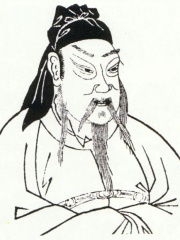
Guan Yu
MILITARY PERSONNEL
162 - 220
HPI: 78.46
Rank: 38
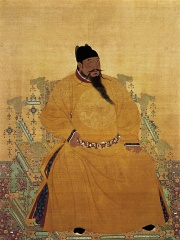
Yongle Emperor
POLITICIAN
1360 - 1424
HPI: 78.44
Rank: 39
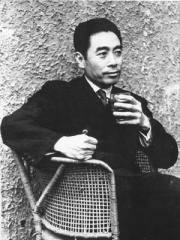
Zhou Enlai
POLITICIAN
1898 - 1976
HPI: 78.26
Rank: 40
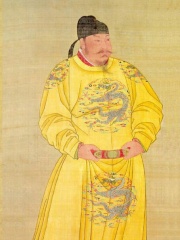
Emperor Taizong of Tang
POLITICIAN
598 - 649
HPI: 78.06
Rank: 41
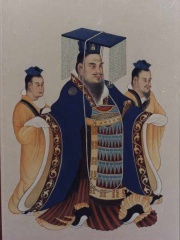
Emperor Wu of Han
POLITICIAN
156 BC - 87 BC
HPI: 77.80
Rank: 42
Lü Bu
MILITARY PERSONNEL
161 - 199
HPI: 77.65
Rank: 43
Among Polityks In Chiny
Among polityks born in Chiny, Liu Bei ranks 19. Before him are Toghon Temür (1320), Qianlong Emperor (1711), Kanishka (78), Jiang Zemin (1926), Kangxi Emperor (1654), and Hongwu Emperor (1328). After him are Yongle Emperor (1360), Zhou Enlai (1898), Emperor Taizong of Tang (598), Emperor Wu of Han (-156), Emperor Gaozu of Han (-256), and Nurhaci (1559).
Toghon Temür
1320 - 1370
HPI: 79.46
Rank: 13
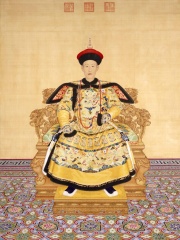
Qianlong Emperor
1711 - 1799
HPI: 79.27
Rank: 14
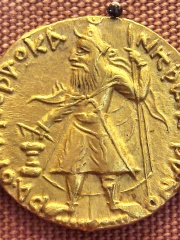
Kanishka
78 - 144
HPI: 79.23
Rank: 15
Jiang Zemin
1926 - 2022
HPI: 79.12
Rank: 16
Kangxi Emperor
1654 - 1722
HPI: 78.96
Rank: 17
Hongwu Emperor
1328 - 1398
HPI: 78.82
Rank: 18
Liu Bei
161 - 223
HPI: 78.72
Rank: 19
Yongle Emperor
1360 - 1424
HPI: 78.44
Rank: 20
Zhou Enlai
1898 - 1976
HPI: 78.26
Rank: 21
Emperor Taizong of Tang
598 - 649
HPI: 78.06
Rank: 22
Emperor Wu of Han
156 BC - 87 BC
HPI: 77.80
Rank: 23
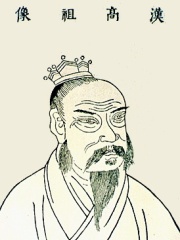
Emperor Gaozu of Han
256 BC - 195 BC
HPI: 77.59
Rank: 24
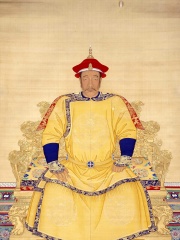
Nurhaci
1559 - 1626
HPI: 77.12
Rank: 25