Politician
Jia Xu
147 - 223
EN.WIKIPEDIA PAGE VIEWS (PV)
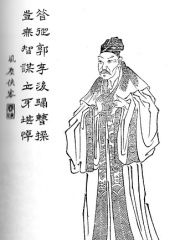
 Jia Xu
His biography is available in 17 different languages on Wikipedia. Jia Xu is the 4,939th most popular politician (down from 3,835th in 2024), the 333rd most popular biography from China (down from 294th in 2019) and the 204th most popular Chinese Politician.
Jia Xu was a strategist and advisor to Cao Cao, a powerful warlord in the late Eastern Han dynasty. He is most famous for his advice to Cao Cao to abandon his long-time ally Liu Bei and to instead ally with the other warlord Sun Quan in order to defeat Liu Bei.
Memorability Metrics
Page views of Jia Xu by language
Among Politicians
Among politicians, Jia Xu ranks 4,939 out of 19,576. Before him are Theobald II, Count of Champagne, Fruela I of Asturias, Halldór Ásgrímsson, Duke Wen of Jin, Micipsa, and Nikolay Krestinsky. After him are Louis Auguste, Duke of Maine, Hassan I of Morocco, Goujian, Baldwin VI, Count of Flanders, Emperor Kanmu, and Melvin Laird.
Most Popular Politicians in Wikipedia
Go to all Rankings
Theobald II, Count of Champagne
1093 - 1152
HPI: 66.63
Rank: 4,935
Fruela I of Asturias
722 - 768
HPI: 66.63
Rank: 4,936

Halldór Ásgrímsson
1947 - 2015
HPI: 66.63
Rank: 4,937
Duke Wen of Jin
697 BC - 628 BC
HPI: 66.63
Rank: 4,938
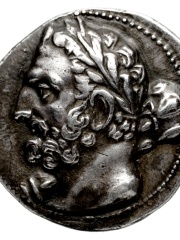
Micipsa
200 BC - 118 BC
HPI: 66.63
Rank: 4,939
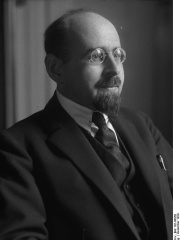
Nikolay Krestinsky
1883 - 1938
HPI: 66.63
Rank: 4,940
Jia Xu
147 - 223
HPI: 66.63
Rank: 4,941

Louis Auguste, Duke of Maine
1670 - 1736
HPI: 66.63
Rank: 4,942
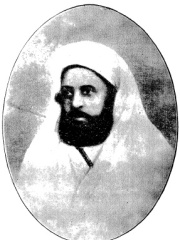
Hassan I of Morocco
1836 - 1894
HPI: 66.63
Rank: 4,943
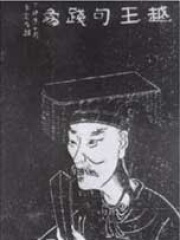
Goujian
550 BC - Present
HPI: 66.63
Rank: 4,944
Baldwin VI, Count of Flanders
1030 - 1070
HPI: 66.62
Rank: 4,945
Emperor Kanmu
737 - 806
HPI: 66.62
Rank: 4,946
Melvin Laird
1922 - 2016
HPI: 66.62
Rank: 4,947

Contemporaries
Among people born in 147, Jia Xu ranks 1. After him is Lokaksema. Among people deceased in 223, Jia Xu ranks 5. Before him are Liu Bei, Pope Callixtus I, Athenaeus, and Cao Ren. After him are Zhou Tai, and Cao Zhang.
Others Born in 147
Go to all Rankings
Others Deceased in 223
Go to all Rankings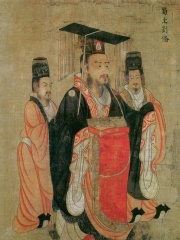
Liu Bei
POLITICIAN
161 - 223
HPI: 78.72
Rank: 1

Pope Callixtus I
RELIGIOUS FIGURE
180 - 223
HPI: 75.70
Rank: 2

Athenaeus
WRITER
200 - 223
HPI: 73.38
Rank: 3
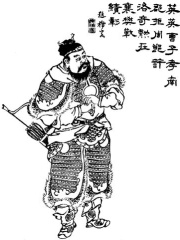
Cao Ren
MILITARY PERSONNEL
168 - 223
HPI: 67.28
Rank: 4
Jia Xu
POLITICIAN
147 - 223
HPI: 66.63
Rank: 5
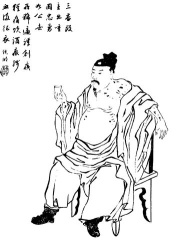
Zhou Tai
MILITARY PERSONNEL
163 - 223
HPI: 64.68
Rank: 6
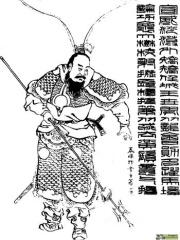
Cao Zhang
POLITICIAN
190 - 223
HPI: 63.45
Rank: 7
In China
Among people born in China, Jia Xu ranks 333 out of NaN. Before him are Princess Taiping (665), Yelü Chucai (1189), Meng Haoran (690), Lao She (1899), Zhang Daoling (34), and Ai Weiwei (1957). After him are He Jin (135), Xun Yu (163), Gu Kaizhi (345), Gao Shun (200), Mi Fu (1051), and Ren Zhengfei (1944).
Others born in China
Go to all Rankings
Princess Taiping
COMPANION
665 - 713
HPI: 66.68
Rank: 327
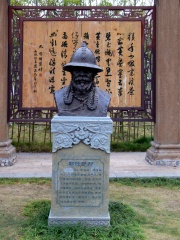
Yelü Chucai
POLITICIAN
1189 - 1243
HPI: 66.68
Rank: 328
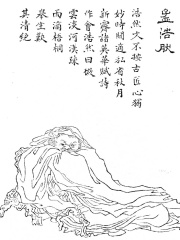
Meng Haoran
WRITER
690 - 740
HPI: 66.67
Rank: 329
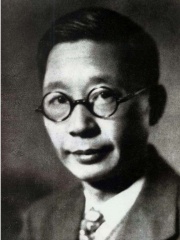
Lao She
WRITER
1899 - 1966
HPI: 66.65
Rank: 330
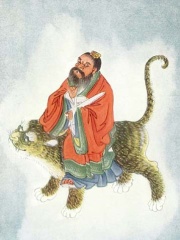
Zhang Daoling
PHILOSOPHER
34 - 156
HPI: 66.64
Rank: 331
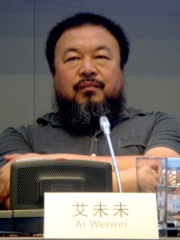
Ai Weiwei
ARTIST
1957 - Present
HPI: 66.63
Rank: 332
Jia Xu
POLITICIAN
147 - 223
HPI: 66.63
Rank: 333
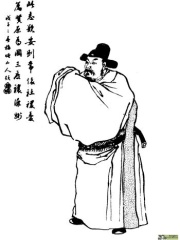
He Jin
MILITARY PERSONNEL
135 - 189
HPI: 66.61
Rank: 334
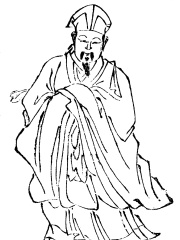
Xun Yu
POLITICIAN
163 - 212
HPI: 66.60
Rank: 335
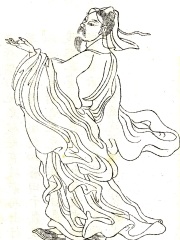
Gu Kaizhi
PAINTER
345 - 406
HPI: 66.60
Rank: 336
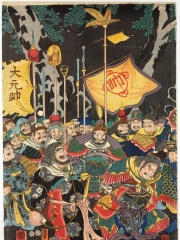
Gao Shun
MILITARY PERSONNEL
200 - 199
HPI: 66.59
Rank: 337

Mi Fu
PAINTER
1051 - 1107
HPI: 66.57
Rank: 338
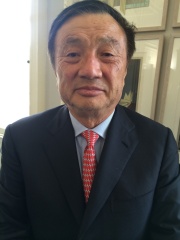
Ren Zhengfei
BUSINESSPERSON
1944 - Present
HPI: 66.56
Rank: 339
Among Politicians In China
Among politicians born in China, Jia Xu ranks 204. Before him are Zhao Tuo (-230), Yuan Chonghuan (1584), Empress Dowager Ci'an (1837), Li Dazhao (1889), Duan Qirui (1865), and Yelü Chucai (1189). After him are Xun Yu (163), Ma Teng (156), Ruzi Ying (5), Taishi Ci (166), Emperor Wuzong of Tang (814), and Li Zongren (1890).
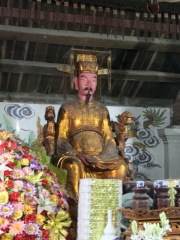
Zhao Tuo
230 BC - 137 BC
HPI: 66.79
Rank: 198
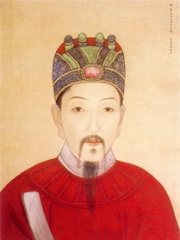
Yuan Chonghuan
1584 - 1630
HPI: 66.74
Rank: 199
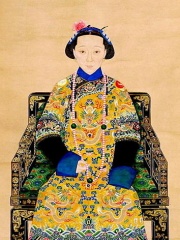
Empress Dowager Ci'an
1837 - 1881
HPI: 66.73
Rank: 200
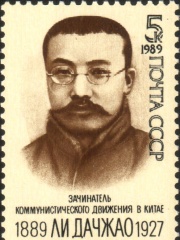
Li Dazhao
1889 - 1927
HPI: 66.70
Rank: 201
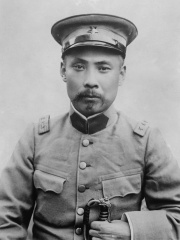
Duan Qirui
1865 - 1936
HPI: 66.70
Rank: 202
Yelü Chucai
1189 - 1243
HPI: 66.68
Rank: 203
Jia Xu
147 - 223
HPI: 66.63
Rank: 204
Xun Yu
163 - 212
HPI: 66.60
Rank: 205
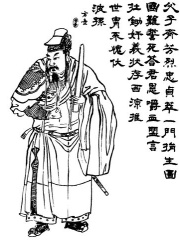
Ma Teng
156 - 212
HPI: 66.44
Rank: 206

Ruzi Ying
5 - 25
HPI: 66.44
Rank: 207
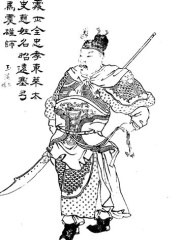
Taishi Ci
166 - 206
HPI: 66.43
Rank: 208
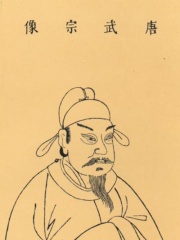
Emperor Wuzong of Tang
814 - 846
HPI: 66.39
Rank: 209
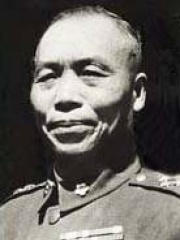
Li Zongren
1890 - 1969
HPI: 66.38
Rank: 210