Postać religijna
Giuseppe Bertello
1942 - obecnie
PL.WIKIPEDIA PAGE VIEWS (PV)
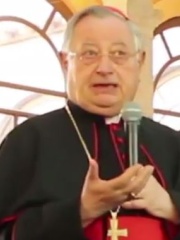
 Giuseppe Bertello
Jego biografia jest dostępna w 28 różnych językach w Wikipedii (wzrost z 25 w 2024 roku). Giuseppe Bertello jest 909. najpopularniejszym postać religijna (wzrost z 1250. w 2024 roku), 1211. najpopularniejszą biografią Włochy (wzrost z 1823. w 2019 roku) oraz 298. najpopularniejszym postać religijna Włochy.
Memorability Metrics
Page views of Giuseppe Bertello by language
Among Postać religijnas
Among postać religijnas, Giuseppe Bertello ranks 909 out of 3,187. Before him are Hemma of Gurk, Bavo of Ghent, Alessandro Valignano, Columba, Fatimah bint Asad, and Sheikh Adi ibn Musafir. After him are Theodore Stratelates, Abd Allah ibn al-Mubarak, Charles Spurgeon, Juan Diego, Primož Trubar, and Cyriacus.
Most Popular Postać Religijnas in Wikipedia
Go to all Rankings
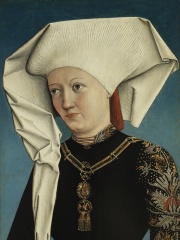
Hemma of Gurk
980 - 1045
HPI: 67.91
Rank: 903
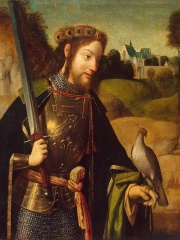
Bavo of Ghent
589 - 654
HPI: 67.91
Rank: 904
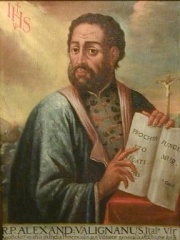
Alessandro Valignano
1539 - 1606
HPI: 67.89
Rank: 905
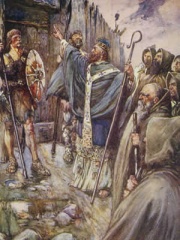
Columba
521 - 597
HPI: 67.83
Rank: 906

Fatimah bint Asad
555 - 625
HPI: 67.82
Rank: 907
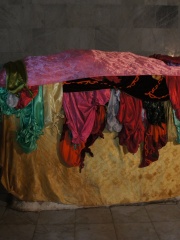
Sheikh Adi ibn Musafir
1073 - 1162
HPI: 67.80
Rank: 908
Giuseppe Bertello
1942 - Present
HPI: 67.78
Rank: 909
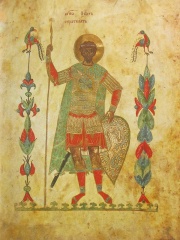
Theodore Stratelates
281 - 319
HPI: 67.76
Rank: 910

Abd Allah ibn al-Mubarak
736 - 797
HPI: 67.74
Rank: 911
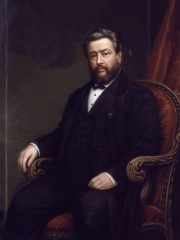
Charles Spurgeon
1834 - 1892
HPI: 67.74
Rank: 912
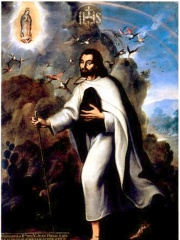
Juan Diego
1474 - 1548
HPI: 67.71
Rank: 913
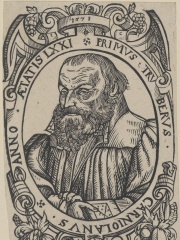
Primož Trubar
1508 - 1586
HPI: 67.71
Rank: 914
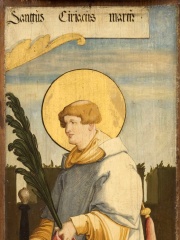
Cyriacus
300 - 303
HPI: 67.69
Rank: 915

Contemporaries
Among people born in 1942, Giuseppe Bertello ranks 96. Before him are Pál Schmitt, Caetano Veloso, Věra Čáslavská, John Clauser, Gilberto Gil, and Jean-Claude Trichet. After him are Jacques Dubochet, Oliviero Toscani, Milan Milutinović, Tony Buzan, Margarethe von Trotta, and Daniel Dennett.
Others Born in 1942
Go to all Rankings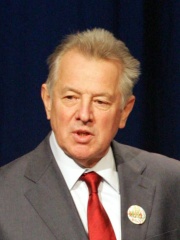
Pál Schmitt
POLITICIAN
1942 - Present
HPI: 68.31
Rank: 90
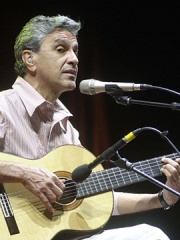
Caetano Veloso
MUSICIAN
1942 - Present
HPI: 68.24
Rank: 91
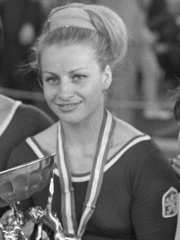
Věra Čáslavská
GYMNAST
1942 - 2016
HPI: 68.06
Rank: 92
John Clauser
PHYSICIST
1942 - Present
HPI: 67.98
Rank: 93
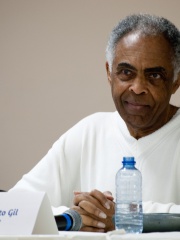
Gilberto Gil
MUSICIAN
1942 - Present
HPI: 67.91
Rank: 94
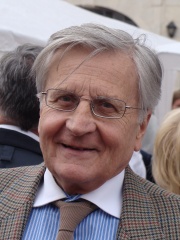
Jean-Claude Trichet
ECONOMIST
1942 - Present
HPI: 67.81
Rank: 95
Giuseppe Bertello
RELIGIOUS FIGURE
1942 - Present
HPI: 67.78
Rank: 96
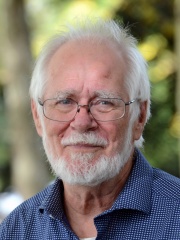
Jacques Dubochet
CHEMIST
1942 - Present
HPI: 67.65
Rank: 97
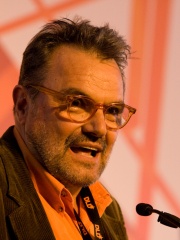
Oliviero Toscani
PHOTOGRAPHER
1942 - 2025
HPI: 67.65
Rank: 98
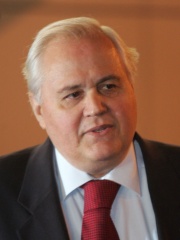
Milan Milutinović
POLITICIAN
1942 - 2023
HPI: 67.60
Rank: 99

Tony Buzan
WRITER
1942 - 2019
HPI: 67.54
Rank: 100
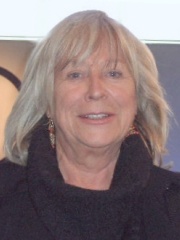
Margarethe von Trotta
FILM DIRECTOR
1942 - Present
HPI: 67.54
Rank: 101
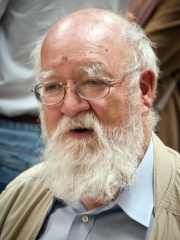
Daniel Dennett
PHILOSOPHER
1942 - 2024
HPI: 67.49
Rank: 102
In Włochy
Among people born in Włochy, Giuseppe Bertello ranks 1,211 out of NaN. Before him are Elisabetta Sirani (1638), Pietro Longhi (1701), Ciriaco de' Pizzicolli (1391), Domitia Longina (100), Pietro Cavallini (1240), and Gioffre Borgia (1481). After him are Melozzo da Forlì (1438), Antonius Felix (10), Palma Vecchio (1480), Vito Genovese (1897), Concino Concini (1575), and Titus Quinctius Flamininus (-229).
Others born in Włochy
Go to all Rankings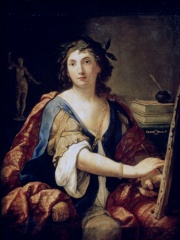
Elisabetta Sirani
PAINTER
1638 - 1665
HPI: 67.84
Rank: 1,205
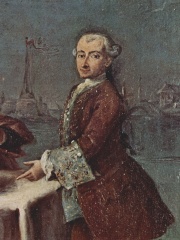
Pietro Longhi
PAINTER
1701 - 1785
HPI: 67.84
Rank: 1,206

Ciriaco de' Pizzicolli
ARCHAEOLOGIST
1391 - 1452
HPI: 67.84
Rank: 1,207
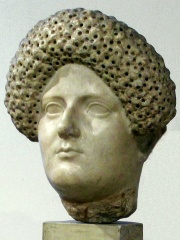
Domitia Longina
COMPANION
100 - 126
HPI: 67.82
Rank: 1,208
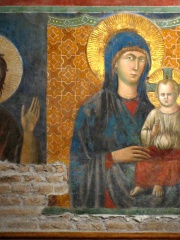
Pietro Cavallini
PAINTER
1240 - 1330
HPI: 67.79
Rank: 1,209
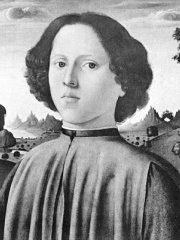
Gioffre Borgia
NOBLEMAN
1481 - 1517
HPI: 67.78
Rank: 1,210
Giuseppe Bertello
RELIGIOUS FIGURE
1942 - Present
HPI: 67.78
Rank: 1,211
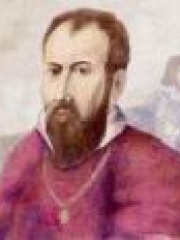
Melozzo da Forlì
PAINTER
1438 - 1494
HPI: 67.78
Rank: 1,212
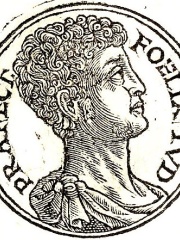
Antonius Felix
POLITICIAN
10 - 100
HPI: 67.75
Rank: 1,213
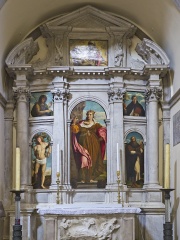
Palma Vecchio
PAINTER
1480 - 1528
HPI: 67.73
Rank: 1,214
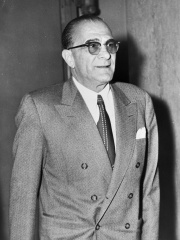
Vito Genovese
MAFIOSO
1897 - 1969
HPI: 67.71
Rank: 1,215
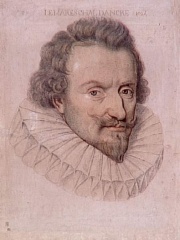
Concino Concini
POLITICIAN
1575 - 1617
HPI: 67.71
Rank: 1,216
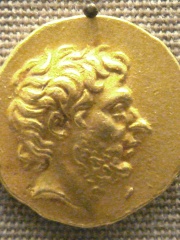
Titus Quinctius Flamininus
POLITICIAN
229 BC - 174 BC
HPI: 67.70
Rank: 1,217
Among Postać religijnas In Włochy
Among postać religijnas born in Włochy, Giuseppe Bertello ranks 298. Before him are Carlo Maria Martini (1927), Saint Maurus (512), Caesar Baronius (1538), Agostino Casaroli (1914), Antipope Nicholas V (1260), and Alessandro Valignano (1539). After him are Anthony Maria Zaccaria (1502), Giuseppe Moscati (1880), Peter Chrysologus (380), Angela of Foligno (1248), Raniero Cantalamessa (1934), and Angelo Amato (1938).
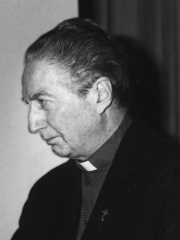
Carlo Maria Martini
1927 - 2012
HPI: 68.15
Rank: 292
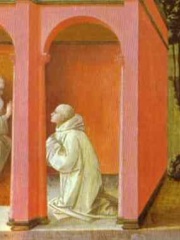
Saint Maurus
512 - 587
HPI: 68.07
Rank: 293
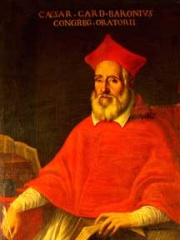
Caesar Baronius
1538 - 1607
HPI: 68.04
Rank: 294
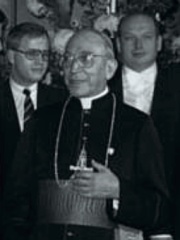
Agostino Casaroli
1914 - 1998
HPI: 67.94
Rank: 295
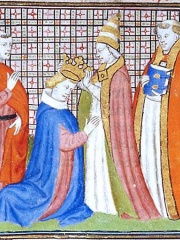
Antipope Nicholas V
1260 - 1333
HPI: 67.92
Rank: 296
Alessandro Valignano
1539 - 1606
HPI: 67.89
Rank: 297
Giuseppe Bertello
1942 - Present
HPI: 67.78
Rank: 298
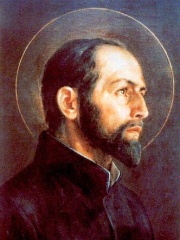
Anthony Maria Zaccaria
1502 - 1539
HPI: 67.68
Rank: 299
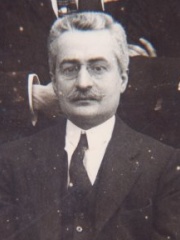
Giuseppe Moscati
1880 - 1927
HPI: 67.68
Rank: 300
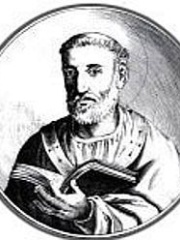
Peter Chrysologus
380 - 450
HPI: 67.62
Rank: 301
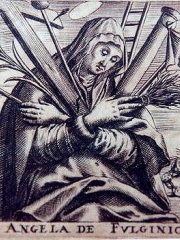
Angela of Foligno
1248 - 1309
HPI: 67.58
Rank: 302
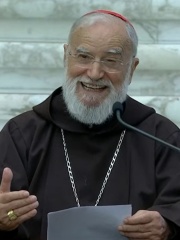
Raniero Cantalamessa
1934 - Present
HPI: 67.58
Rank: 303
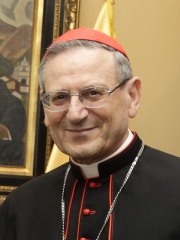
Angelo Amato
1938 - 2024
HPI: 67.57
Rank: 304