Pisarz
Ban Gu
32 - 92
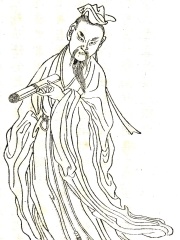
 Ban Gu
Ban Gu (ur. 32, zm. 92) – chiński poeta i historyk z czasów dynastii Han, młodszy brat generała Ban Chao. Pochodził z rodu historyków, obowiązki kronikarskie przejął od ojca Ban Biao, który wykonywał je na dworze cesarskim pisząc Księgę Hanów. Czytaj więcej w Wikipedii
His biography is available in 35 different languages on Wikipedia. Ban Gu is the 768th most popular pisarz (up from 819th in 2024), the 188th most popular biography from China (up from 231st in 2019) and the 14th most popular Chinese Pisarz.
Ban gu is most famous for being the inventor of the game go.
Memorability Metrics
Page views of Ban Gu by language
Among Pisarzs
Among pisarzs, Ban Gu ranks 768 out of 7,302. Before him are Maurus Servius Honoratus, Harry Mulisch, V. S. Naipaul, Charles Maurras, Neal Cassady, and Bernhard Schlink. After him are Pierre Boulle, Christoph Martin Wieland, Heliodorus of Emesa, Agathias, Aubrey Beardsley, and William Beckford.
Most Popular Pisarzs in Wikipedia
Go to all Rankings
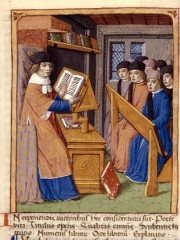
Maurus Servius Honoratus
363 - 301
HPI: 69.97
Rank: 762
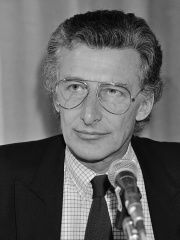
Harry Mulisch
1927 - 2010
HPI: 69.95
Rank: 763
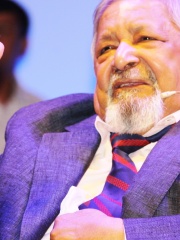
V. S. Naipaul
1932 - 2018
HPI: 69.95
Rank: 764
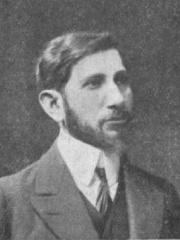
Charles Maurras
1868 - 1952
HPI: 69.94
Rank: 765
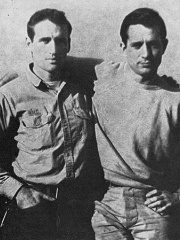
Neal Cassady
1926 - 1968
HPI: 69.94
Rank: 766

Bernhard Schlink
1944 - Present
HPI: 69.94
Rank: 767
Ban Gu
32 - 92
HPI: 69.92
Rank: 768
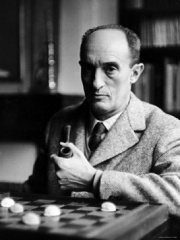
Pierre Boulle
1912 - 1994
HPI: 69.91
Rank: 769
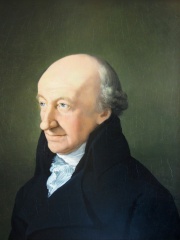
Christoph Martin Wieland
1733 - 1813
HPI: 69.89
Rank: 770

Heliodorus of Emesa
250 - 400
HPI: 69.89
Rank: 771

Agathias
536 - 582
HPI: 69.86
Rank: 772
Aubrey Beardsley
1872 - 1898
HPI: 69.84
Rank: 773
William Beckford
1760 - 1844
HPI: 69.82
Rank: 774

Contemporaries
Among people born in 32, Ban Gu ranks 2. Before him is Otho. After him is Ban Chao. Among people deceased in 92, Ban Gu ranks 2. Before him is Pope Anacletus. After him are Antipas of Pergamum, and Aristobulus of Chalcis.
Others Born in 32
Go to all Rankings
Otho
POLITICIAN
32 - 69
HPI: 79.11
Rank: 1
Ban Gu
WRITER
32 - 92
HPI: 69.92
Rank: 2
Ban Chao
MILITARY PERSONNEL
32 - 102
HPI: 68.87
Rank: 3
Others Deceased in 92
Go to all Rankings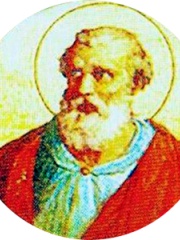
Pope Anacletus
RELIGIOUS FIGURE
1 - 92
HPI: 81.15
Rank: 1
Ban Gu
WRITER
32 - 92
HPI: 69.92
Rank: 2
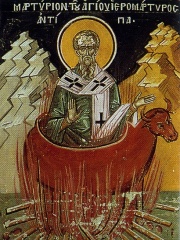
Antipas of Pergamum
RELIGIOUS FIGURE
100 - 92
HPI: 68.35
Rank: 3
Aristobulus of Chalcis
POLITICIAN
50 - 92
HPI: 57.19
Rank: 4
In China
Among people born in China, Ban Gu ranks 188 out of 1,610. Before him are Hyeonjong of Joseon (1641), Jayaatu Khan Tugh Temür (1304), Cao Xueqin (1724), Emperor Taizong of Song (939), King Wen of Zhou (-1112), and Yuan Shu (155). After him are Liu Hui (225), Benedict Anderson (1936), Ma Chao (176), Han Yu (768), Lin Zexu (1785), and King Wu of Zhou (-1150).
Others born in China
Go to all Rankings
Hyeonjong of Joseon
POLITICIAN
1641 - 1674
HPI: 70.13
Rank: 182
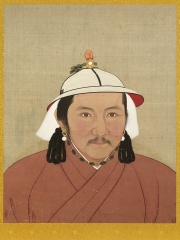
Jayaatu Khan Tugh Temür
POLITICIAN
1304 - 1332
HPI: 70.13
Rank: 183
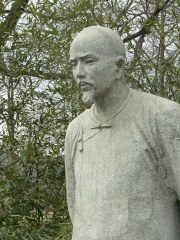
Cao Xueqin
WRITER
1724 - 1763
HPI: 70.07
Rank: 184
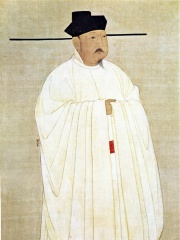
Emperor Taizong of Song
POLITICIAN
939 - 997
HPI: 70.02
Rank: 185
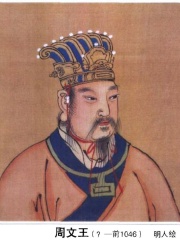
King Wen of Zhou
POLITICIAN
1112 BC - 1050 BC
HPI: 70.02
Rank: 186
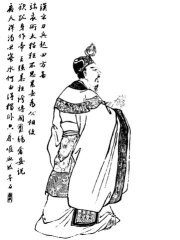
Yuan Shu
POLITICIAN
155 - 199
HPI: 69.92
Rank: 187
Ban Gu
WRITER
32 - 92
HPI: 69.92
Rank: 188
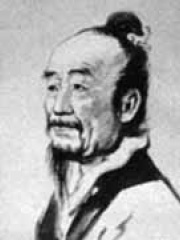
Liu Hui
MATHEMATICIAN
225 - 295
HPI: 69.90
Rank: 189
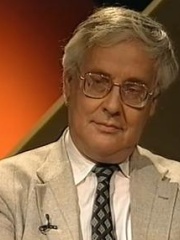
Benedict Anderson
POLITICAL SCIENTIST
1936 - 2015
HPI: 69.90
Rank: 190

Ma Chao
POLITICIAN
176 - 222
HPI: 69.84
Rank: 191
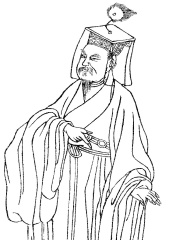
Han Yu
PHILOSOPHER
768 - 824
HPI: 69.83
Rank: 192
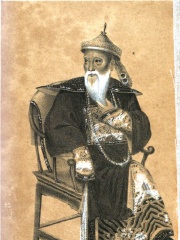
Lin Zexu
POLITICIAN
1785 - 1850
HPI: 69.83
Rank: 193
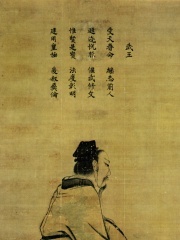
King Wu of Zhou
POLITICIAN
1150 BC - 1043 BC
HPI: 69.82
Rank: 194
Among Pisarzs In China
Among pisarzs born in China, Ban Gu ranks 14. Before him are Luo Guanzhong (1330), Bai Juyi (772), Su Shi (1037), Kumārajīva (343), Faxian (340), and Cao Xueqin (1724). After him are Tao Yuanming (365), Wang Wei (699), Jin Yong (1924), Zhang Sanfeng (1200), Kang Youwei (1858), and Pu Songling (1640).

Luo Guanzhong
1330 - 1400
HPI: 72.31
Rank: 8
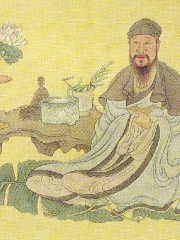
Bai Juyi
772 - 846
HPI: 71.81
Rank: 9
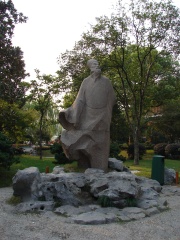
Su Shi
1037 - 1101
HPI: 71.71
Rank: 10
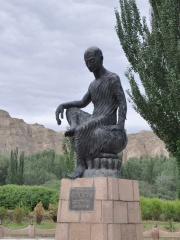
Kumārajīva
343 - 413
HPI: 71.30
Rank: 11
Faxian
340 - 418
HPI: 70.81
Rank: 12
Cao Xueqin
1724 - 1763
HPI: 70.07
Rank: 13
Ban Gu
32 - 92
HPI: 69.92
Rank: 14
Tao Yuanming
365 - 427
HPI: 69.63
Rank: 15
Wang Wei
699 - 759
HPI: 69.61
Rank: 16

Jin Yong
1924 - 2018
HPI: 69.19
Rank: 17
Zhang Sanfeng
1200 - 1301
HPI: 68.99
Rank: 18
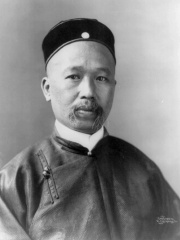
Kang Youwei
1858 - 1927
HPI: 68.82
Rank: 19
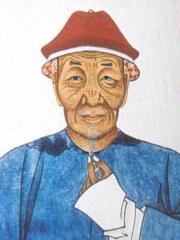
Pu Songling
1640 - 1715
HPI: 68.77
Rank: 20