Filosoof
Xenocrates
396 BC - 314 BC
NL.WIKIPEDIA PAGE VIEWS (PV)
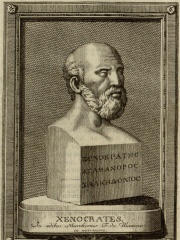
 Xenocrates
Xenocrates (Oudgrieks: Ξενοκράτης) (ca. 400 v.Chr.- ca. 314 v.Chr.) van Chalcedon was een Griekse filosoof en wiskundige, die na Speusippos de leider (scholarch) van de platoonse Academie werd. Zijn leer vertoont zowel kenmerken van die van Plato als die van Pythagoras. Lees meer op Wikipedia
Zijn biografie is beschikbaar in 45 verschillende talen op Wikipedia (toegenomen van 44 in 2024). Xenocrates staat op plaats 222 onder de meest populaire filosoof (gestegen van plaats 233 in 2024), plaats 224 onder de meest populaire biografieën uit Turkije (gedaald van plaats 223 in 2019) en op plaats 17 onder de populairste filosoof uit Turkije.
Memorability Metrics
Page views of Xenocrates by language
Among Filosoofs
Among filosoofs, Xenocrates ranks 222 out of 1,267. Before him are Hippasus, G. E. M. Anscombe, Theano, Muhammad Abduh, Solomon ibn Gabirol, and Benjamin Constant. After him are Julius Evola, Francisco Suárez, Paulo Freire, Joseph de Maistre, Ernst Bloch, and Gaston Bachelard.
Most Popular Filosoofs in Wikipedia
Go to all Rankings
Hippasus
600 BC - 500 BC
HPI: 73.44
Rank: 216

G. E. M. Anscombe
1919 - 2001
HPI: 73.41
Rank: 217

Theano
600 BC - 600 BC
HPI: 73.38
Rank: 218
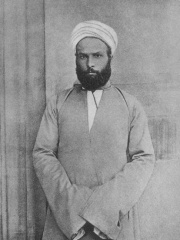
Muhammad Abduh
1849 - 1905
HPI: 73.35
Rank: 219
Solomon ibn Gabirol
1021 - 1058
HPI: 73.35
Rank: 220
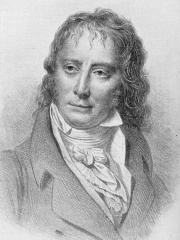
Benjamin Constant
1767 - 1830
HPI: 73.28
Rank: 221
Xenocrates
396 BC - 314 BC
HPI: 73.16
Rank: 222

Julius Evola
1898 - 1974
HPI: 73.16
Rank: 223
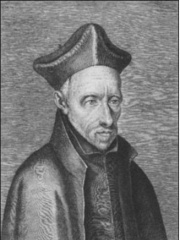
Francisco Suárez
1548 - 1617
HPI: 73.14
Rank: 224
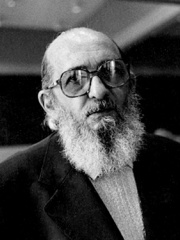
Paulo Freire
1921 - 1997
HPI: 73.10
Rank: 225
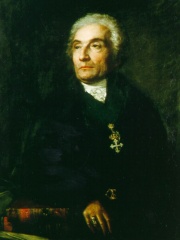
Joseph de Maistre
1753 - 1821
HPI: 73.09
Rank: 226
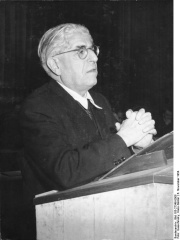
Ernst Bloch
1885 - 1977
HPI: 73.08
Rank: 227
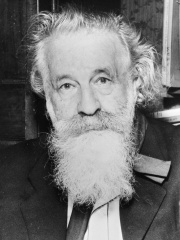
Gaston Bachelard
1884 - 1962
HPI: 72.94
Rank: 228

Contemporaries
Among people born in 396 BC, Xenocrates ranks 1. Among people deceased in 314 BC, Xenocrates ranks 1. After him is Aeschines.
Others Born in 396 BC
Go to all RankingsOthers Deceased in 314 BC
Go to all RankingsXenocrates
PHILOSOPHER
396 BC - 314 BC
HPI: 73.16
Rank: 1
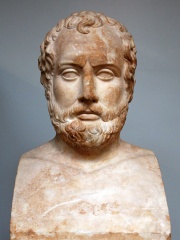
Aeschines
POLITICIAN
389 BC - 314 BC
HPI: 70.99
Rank: 2
In Turkije
Among people born in Turkije, Xenocrates ranks 224 out of NaN. Before him are Dorothea of Caesarea (279), Michael II (770), Dragut (1485), Henri Fayol (1841), Alexios V Doukas (1140), and Constantine VIII (960). After him are Şah Sultan (1509), Memnon (null), Isaac I Komnenos (1007), Sabiha Gökçen (1913), Cemal Gürsel (1895), and Fatma Sultan (1500).
Others born in Turkije
Go to all Rankings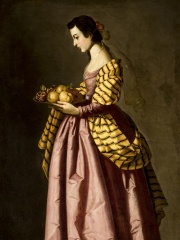
Dorothea of Caesarea
RELIGIOUS FIGURE
279 - 311
HPI: 73.36
Rank: 218
Michael II
POLITICIAN
770 - 829
HPI: 73.34
Rank: 219
Dragut
MILITARY PERSONNEL
1485 - 1565
HPI: 73.33
Rank: 220
Henri Fayol
ECONOMIST
1841 - 1925
HPI: 73.33
Rank: 221
Alexios V Doukas
POLITICIAN
1140 - 1204
HPI: 73.31
Rank: 222
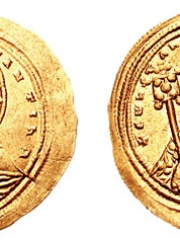
Constantine VIII
POLITICIAN
960 - 1028
HPI: 73.28
Rank: 223
Xenocrates
PHILOSOPHER
396 BC - 314 BC
HPI: 73.16
Rank: 224

Şah Sultan
POLITICIAN
1509 - 1572
HPI: 73.12
Rank: 225
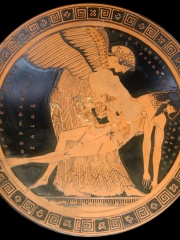
Memnon
POLITICIAN
HPI: 73.07
Rank: 226
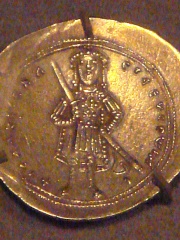
Isaac I Komnenos
POLITICIAN
1007 - 1060
HPI: 72.98
Rank: 227

Sabiha Gökçen
PILOT
1913 - 2001
HPI: 72.98
Rank: 228
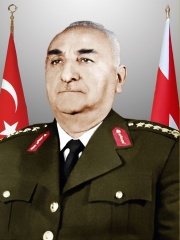
Cemal Gürsel
POLITICIAN
1895 - 1966
HPI: 72.90
Rank: 229

Fatma Sultan
NOBLEMAN
1500 - 1573
HPI: 72.87
Rank: 230
Among Filosoofs In Turkije
Among filosoofs born in Turkije, Xenocrates ranks 17. Before him are Anaximenes of Miletus (-585), Chrysippus (-281), Proclus (412), Posidonius (-135), Gemistus Pletho (1355), and Apollonius of Tyana (15). After him are Michael Psellos (1018), Bias of Priene (-600), Cleanthes (-330), Arcesilaus (-315), Priscus (410), and Alexander of Aphrodisias (200).
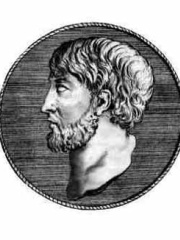
Anaximenes of Miletus
585 BC - 525 BC
HPI: 76.96
Rank: 11
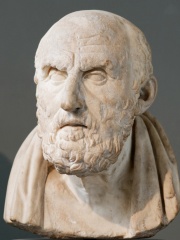
Chrysippus
281 BC - 208 BC
HPI: 76.28
Rank: 12
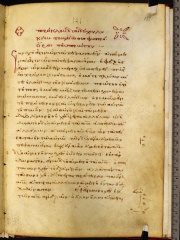
Proclus
412 - 485
HPI: 76.09
Rank: 13
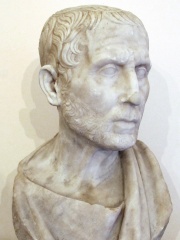
Posidonius
135 BC - 51 BC
HPI: 75.13
Rank: 14
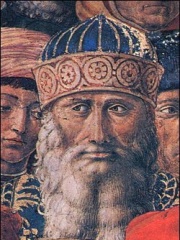
Gemistus Pletho
1355 - 1452
HPI: 74.66
Rank: 15
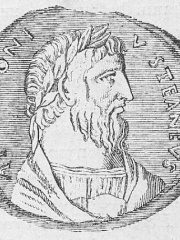
Apollonius of Tyana
15 - 100
HPI: 74.50
Rank: 16
Xenocrates
396 BC - 314 BC
HPI: 73.16
Rank: 17
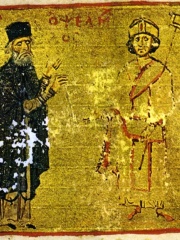
Michael Psellos
1018 - 1078
HPI: 72.64
Rank: 18
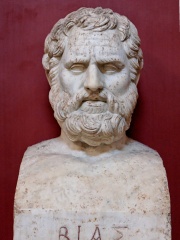
Bias of Priene
600 BC - 530 BC
HPI: 72.32
Rank: 19
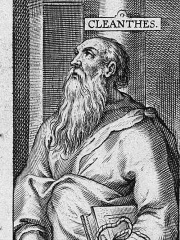
Cleanthes
330 BC - 232 BC
HPI: 72.30
Rank: 20
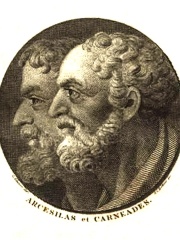
Arcesilaus
315 BC - 240 BC
HPI: 72.20
Rank: 21

Priscus
410 - 471
HPI: 71.23
Rank: 22
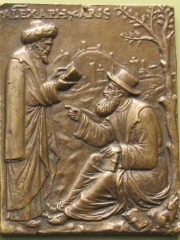
Alexander of Aphrodisias
200 - 215
HPI: 71.01
Rank: 23