政治家
Zeng Qinghong
1939 - 現在
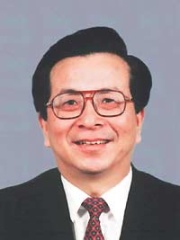
 Zeng Qinghong
曽 慶紅(そう けいこう、簡体字:曾 庆红、繁体字:曾 慶紅、英語:Zeng Qinghong、1939年7月30日 - )は、中華人民共和国の政治家。第16期中国共産党中央政治局常務委員、胡錦濤政権にて第8代国家副主席を歴任した。第16期における党内序列は5位である。中国共産党の指導者世代では第4世代に当たるが、第3世代の最高指導者を務めた江沢民総書記から大きな信頼を得ていた。 ウィキペディアで詳細を読む
His biography is available in 18 different languages on Wikipedia. Zeng Qinghong is the 10,935th most popular 政治家 (down from 9,859th in 2024), the 709th most popular biography from China (down from 685th in 2019) and the 374th most popular Chinese 政治家.
Memorability Metrics
Page views of Zeng Qinghong by language
Among 政治家
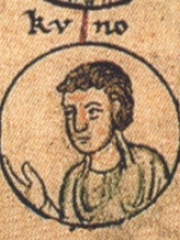
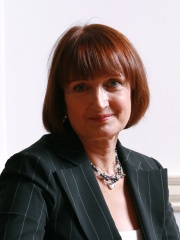
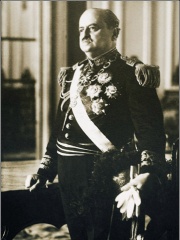
Among 政治家, Zeng Qinghong ranks 10,935 out of 19,576. Before him are Salvador Valdés Mesa, John George I, Prince of Anhalt-Dessau, Quintus Lollius Urbicus, Conrad I, Duke of Carinthia, Tessa Jowell, and Charibert of Laon. After him are José Giral, Aulus Cornelius Palma Frontonianus, Óscar R. Benavides, Aemilia Lepida, Lahiri Mahasaya, and Christopher II, Margrave of Baden-Rodemachern.
Most Popular 政治家 in Wikipedia
Go to all Rankings
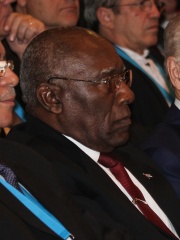
Salvador Valdés Mesa
1945 - Present
HPI: 60.36
Rank: 10,935
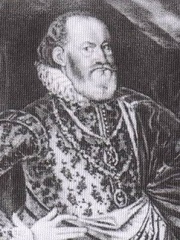
John George I, Prince of Anhalt-Dessau
1567 - 1618
HPI: 60.36
Rank: 10,936
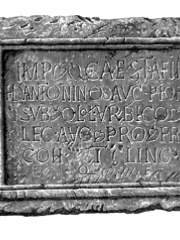
Quintus Lollius Urbicus
150 - 160
HPI: 60.36
Rank: 10,937
Conrad I, Duke of Carinthia
970 - 1011
HPI: 60.36
Rank: 10,938
Tessa Jowell
1947 - 2018
HPI: 60.36
Rank: 10,939

Charibert of Laon
800 - 800
HPI: 60.36
Rank: 10,940
Zeng Qinghong
1939 - Present
HPI: 60.36
Rank: 10,941
José Giral
1879 - 1962
HPI: 60.35
Rank: 10,942

Aulus Cornelius Palma Frontonianus
1 - 117
HPI: 60.35
Rank: 10,943
Óscar R. Benavides
1876 - 1945
HPI: 60.35
Rank: 10,944
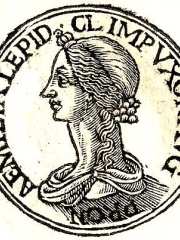
Aemilia Lepida
3 BC - 53
HPI: 60.35
Rank: 10,945
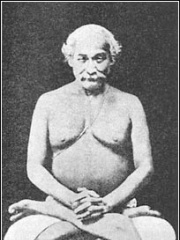
Lahiri Mahasaya
1828 - 1895
HPI: 60.34
Rank: 10,946
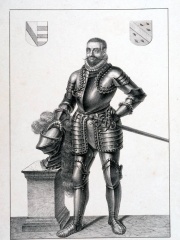
Christopher II, Margrave of Baden-Rodemachern
1537 - 1575
HPI: 60.34
Rank: 10,947

Contemporaries
Among people born in 1939, Zeng Qinghong ranks 223. Before him are Jason Miller, Samantha Eggar, Jerry Brudos, Russell Means, Betty Everett, and Yuri Bezmenov. After him are A. R. Penck, Eugenio Dal Corso, Miroslav Cerar, Viktor Sadovnichiy, John Sculley, and Viorica Viscopoleanu.
Others Born in 1939
Go to all Rankings
Jason Miller
ACTOR
1939 - 2001
HPI: 60.43
Rank: 217
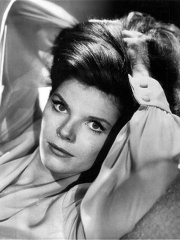
Samantha Eggar
ACTOR
1939 - 2025
HPI: 60.42
Rank: 218
Jerry Brudos
EXTREMIST
1939 - 2006
HPI: 60.41
Rank: 219
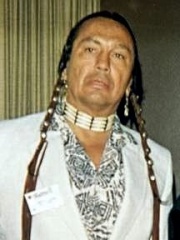
Russell Means
SOCIAL ACTIVIST
1939 - 2012
HPI: 60.40
Rank: 220

Betty Everett
SINGER
1939 - 2001
HPI: 60.40
Rank: 221
Yuri Bezmenov
JOURNALIST
1939 - 1993
HPI: 60.38
Rank: 222
Zeng Qinghong
POLITICIAN
1939 - Present
HPI: 60.36
Rank: 223
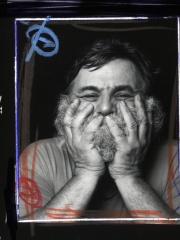
A. R. Penck
PAINTER
1939 - 2017
HPI: 60.28
Rank: 224
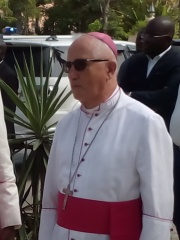
Eugenio Dal Corso
RELIGIOUS FIGURE
1939 - 2024
HPI: 60.25
Rank: 225

Miroslav Cerar
GYMNAST
1939 - Present
HPI: 60.23
Rank: 226
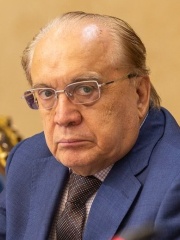
Viktor Sadovnichiy
MATHEMATICIAN
1939 - Present
HPI: 60.23
Rank: 227
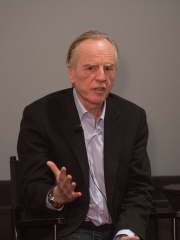
John Sculley
BUSINESSPERSON
1939 - Present
HPI: 60.23
Rank: 228
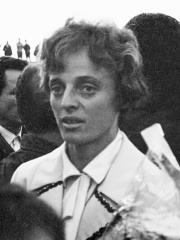
Viorica Viscopoleanu
ATHLETE
1939 - Present
HPI: 60.18
Rank: 229
In China
Among people born in China, Zeng Qinghong ranks 709 out of 1,610. Before him are Li Bingbing (1973), Zao Wou-Ki (1920), Li Na (1982), Charlie Soong (1861), Zeng Gong (1019), and Feng Youlan (1895). After him are Ann Hui (1947), Tao Hongjing (456), Emperor Mingyuan of Northern Wei (392), Lau Kar-leung (1934), Ma Jun (200), and Shi Lang (1621).
Others born in China
Go to all Rankings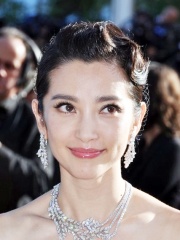
Li Bingbing
ACTOR
1973 - Present
HPI: 60.45
Rank: 703
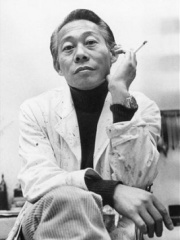
Zao Wou-Ki
PAINTER
1920 - 2013
HPI: 60.44
Rank: 704

Li Na
TENNIS PLAYER
1982 - Present
HPI: 60.43
Rank: 705
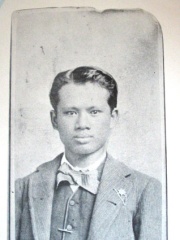
Charlie Soong
POLITICIAN
1861 - 1918
HPI: 60.42
Rank: 706
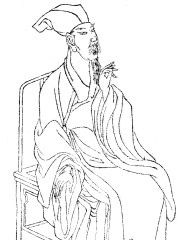
Zeng Gong
POLITICIAN
1019 - 1083
HPI: 60.40
Rank: 707
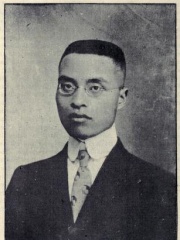
Feng Youlan
PHILOSOPHER
1895 - 1990
HPI: 60.38
Rank: 708
Zeng Qinghong
POLITICIAN
1939 - Present
HPI: 60.36
Rank: 709

Ann Hui
FILM DIRECTOR
1947 - Present
HPI: 60.31
Rank: 710
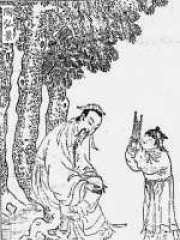
Tao Hongjing
PHILOSOPHER
456 - 536
HPI: 60.28
Rank: 711
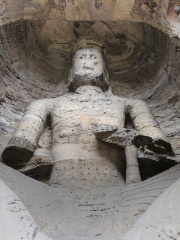
Emperor Mingyuan of Northern Wei
POLITICIAN
392 - 423
HPI: 60.27
Rank: 712

Lau Kar-leung
ACTOR
1934 - 2013
HPI: 60.25
Rank: 713
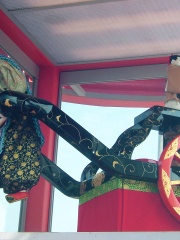
Ma Jun
ENGINEER
200 - 265
HPI: 60.24
Rank: 714

Shi Lang
POLITICIAN
1621 - 1696
HPI: 60.24
Rank: 715
Among 政治家 In China
Among 政治家 born in China, Zeng Qinghong ranks 374. Before him are Xin Qiji (1140), Qu Qiubai (1899), Li Yuanchao (1950), Zhao Leji (1957), Charlie Soong (1861), and Zeng Gong (1019). After him are Emperor Mingyuan of Northern Wei (392), Shi Lang (1621), Hai Rui (1514), Wang Can (177), Li Lisan (1899), and Li Siyuan (867).
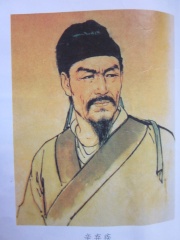
Xin Qiji
1140 - 1207
HPI: 60.62
Rank: 368
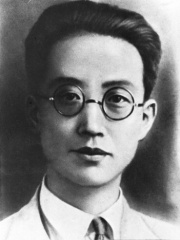
Qu Qiubai
1899 - 1935
HPI: 60.60
Rank: 369
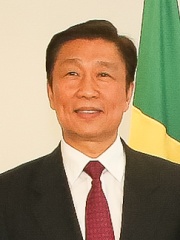
Li Yuanchao
1950 - Present
HPI: 60.55
Rank: 370
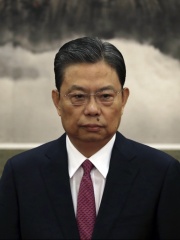
Zhao Leji
1957 - Present
HPI: 60.53
Rank: 371
Charlie Soong
1861 - 1918
HPI: 60.42
Rank: 372
Zeng Gong
1019 - 1083
HPI: 60.40
Rank: 373
Zeng Qinghong
1939 - Present
HPI: 60.36
Rank: 374
Emperor Mingyuan of Northern Wei
392 - 423
HPI: 60.27
Rank: 375
Shi Lang
1621 - 1696
HPI: 60.24
Rank: 376
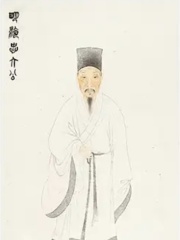
Hai Rui
1514 - 1587
HPI: 60.21
Rank: 377

Wang Can
177 - Present
HPI: 60.15
Rank: 378
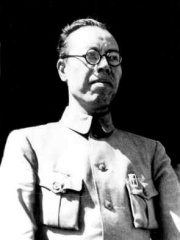
Li Lisan
1899 - 1967
HPI: 60.00
Rank: 379
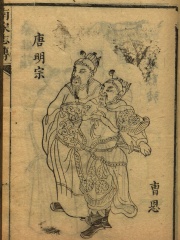
Li Siyuan
867 - 933
HPI: 59.97
Rank: 380