政治家
Userkaf
2600 BC - 2500 BC
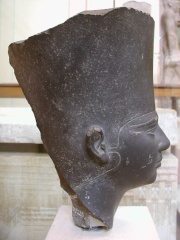
 Userkaf
ウセルカフ(Userkaf)は、エジプト第5王朝の創設者であり、アブシールに太陽の神殿を建設する伝統を開始した最初のファラオである。ウセルカフの名前は、「力強き魂」という意味である。紀元前2494年から紀元前2487年にかけてエジプトを治め、サッカラに「ウセルカフのピラミッド」を建設した。 ウィキペディアで詳細を読む
His biography is available in 42 different languages on Wikipedia (up from 40 in 2024). Userkaf is the 2,176th most popular 政治家 (down from 1,556th in 2024), the 120th most popular biography from Egypt (down from 94th in 2019) and the 53rd most popular Egyptian 政治家.
Memorability Metrics
Page views of Userkaf by language
Among 政治家
Among 政治家, Userkaf ranks 2,176 out of 19,576. Before him are Anders Fogh Rasmussen, Sweyn II of Denmark, Aden Adde, Śuddhodana, Al-Hakam II, and Euric. After him are António Costa, Gyeongjong of Joseon, Alassane Ouattara, Elisa Bonaparte, Yakov Sverdlov, and Mike Pence.
Most Popular 政治家 in Wikipedia
Go to all Rankings
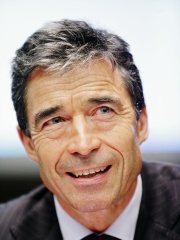
Anders Fogh Rasmussen
1953 - Present
HPI: 71.74
Rank: 2,171
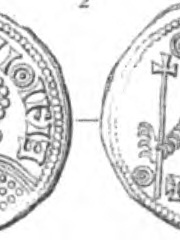
Sweyn II of Denmark
1020 - 1076
HPI: 71.74
Rank: 2,172
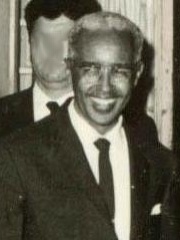
Aden Adde
1908 - 2007
HPI: 71.73
Rank: 2,173
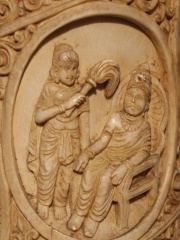
Śuddhodana
590 BC - Present
HPI: 71.73
Rank: 2,174
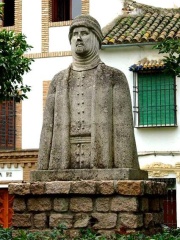
Al-Hakam II
915 - 976
HPI: 71.73
Rank: 2,175
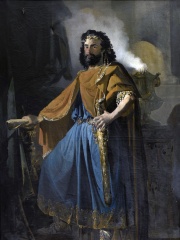
Euric
440 - 484
HPI: 71.73
Rank: 2,176
Userkaf
2600 BC - 2500 BC
HPI: 71.73
Rank: 2,177
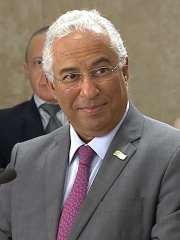
António Costa
1961 - Present
HPI: 71.73
Rank: 2,178
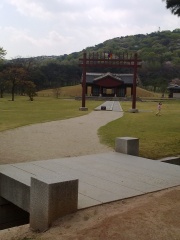
Gyeongjong of Joseon
1688 - 1724
HPI: 71.72
Rank: 2,179
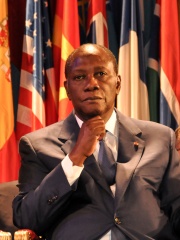
Alassane Ouattara
1942 - Present
HPI: 71.72
Rank: 2,180
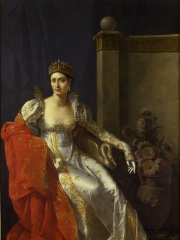
Elisa Bonaparte
1777 - 1820
HPI: 71.72
Rank: 2,181
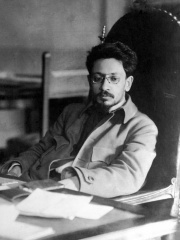
Yakov Sverdlov
1885 - 1919
HPI: 71.71
Rank: 2,182
Mike Pence
1959 - Present
HPI: 71.71
Rank: 2,183

Contemporaries
Among people born in 2600 BC, Userkaf ranks 2. Before him is Djedefre. After him are Shepseskaf, Thamphthis, Hetepheres II, Khentkaus I, Meresankh III, Djedefhor, Khamerernebty II, Kawab, Nefertiabet, and Ankhhaf. Among people deceased in 2500 BC, Userkaf ranks 1. After him are En-anna-tum I, Khentkaus III, Ur-Nanshe, Peseshet, A'annepada, and Akurgal.
Others Born in 2600 BC
Go to all Rankings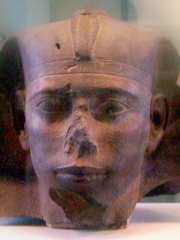
Djedefre
POLITICIAN
2600 BC - 2570 BC
HPI: 73.55
Rank: 1
Userkaf
POLITICIAN
2600 BC - 2500 BC
HPI: 71.73
Rank: 2
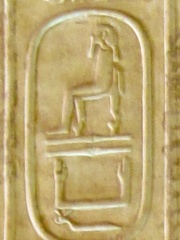
Shepseskaf
POLITICIAN
2600 BC - 2499 BC
HPI: 71.31
Rank: 3

Thamphthis
POLITICIAN
2600 BC - 2560 BC
HPI: 67.79
Rank: 4
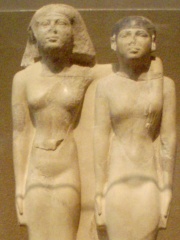
Hetepheres II
POLITICIAN
2600 BC - 2560 BC
HPI: 66.78
Rank: 5
Khentkaus I
POLITICIAN
2600 BC - 2600 BC
HPI: 64.93
Rank: 6
Meresankh III
POLITICIAN
2600 BC - 2600 BC
HPI: 62.08
Rank: 7

Djedefhor
POLITICIAN
2600 BC - 2600 BC
HPI: 61.88
Rank: 8
Khamerernebty II
POLITICIAN
2600 BC - 2600 BC
HPI: 60.57
Rank: 9
Kawab
NOBLEMAN
2600 BC - 2600 BC
HPI: 59.93
Rank: 10
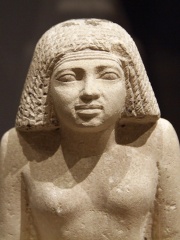
Nefertiabet
NOBLEMAN
2600 BC - Present
HPI: 59.63
Rank: 11
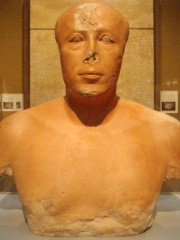
Ankhhaf
POLITICIAN
2600 BC - 2600 BC
HPI: 58.69
Rank: 12
Others Deceased in 2500 BC
Go to all RankingsUserkaf
POLITICIAN
2600 BC - 2500 BC
HPI: 71.73
Rank: 1
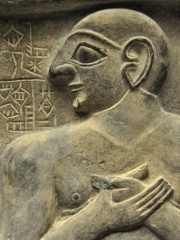
En-anna-tum I
POLITICIAN
2500 BC - 2500 BC
HPI: 65.03
Rank: 2

Khentkaus III
POLITICIAN
2500 BC - 2500 BC
HPI: 64.14
Rank: 3
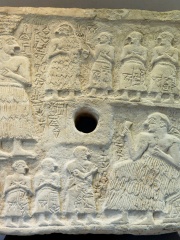
Ur-Nanshe
ARCHITECT
2500 BC - 2500 BC
HPI: 63.71
Rank: 4

Peseshet
PHYSICIAN
2500 BC - 2500 BC
HPI: 61.32
Rank: 5
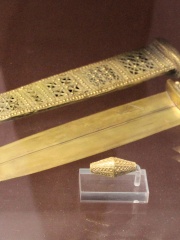
A'annepada
RELIGIOUS FIGURE
2600 BC - 2500 BC
HPI: 57.67
Rank: 6
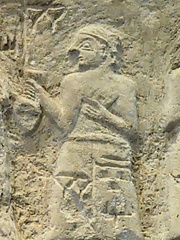
Akurgal
ARCHAEOLOGIST
2600 BC - 2500 BC
HPI: 55.91
Rank: 7
In Egypt
Among people born in Egypt, Userkaf ranks 120 out of 642. Before him are Isma'il Pasha (1830), Den (-3000), Yusuf al-Qaradawi (1926), Djet (-3000), Amenhotep II (-1401), and Alexander Helios (-40). After him are Apollos (100), Mohamed Hussein Tantawi (1935), Macarius of Egypt (300), Abbas II of Egypt (1874), Shepseskaf (-2600), and Ammonius Saccas (175).
Others born in Egypt
Go to all Rankings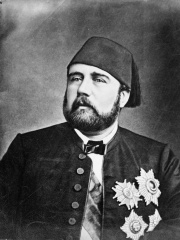
Isma'il Pasha
POLITICIAN
1830 - 1895
HPI: 71.90
Rank: 114
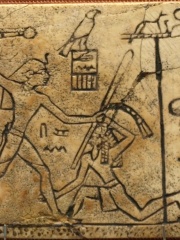
Den
ARCHAEOLOGIST
3000 BC - 2995 BC
HPI: 71.85
Rank: 115
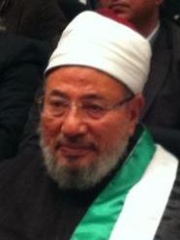
Yusuf al-Qaradawi
RELIGIOUS FIGURE
1926 - 2022
HPI: 71.85
Rank: 116
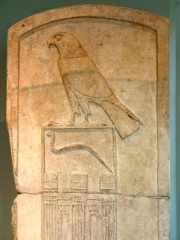
Djet
RELIGIOUS FIGURE
3000 BC - 2980 BC
HPI: 71.82
Rank: 117
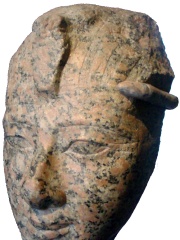
Amenhotep II
POLITICIAN
1401 BC - 1401 BC
HPI: 71.80
Rank: 118
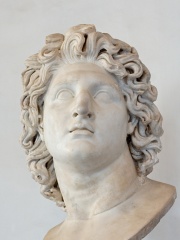
Alexander Helios
POLITICIAN
40 BC - 25 BC
HPI: 71.79
Rank: 119
Userkaf
POLITICIAN
2600 BC - 2500 BC
HPI: 71.73
Rank: 120
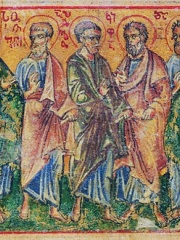
Apollos
RELIGIOUS FIGURE
100 - 100
HPI: 71.64
Rank: 121
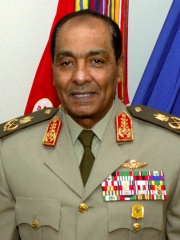
Mohamed Hussein Tantawi
POLITICIAN
1935 - 2021
HPI: 71.62
Rank: 122
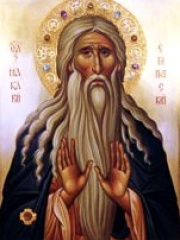
Macarius of Egypt
RELIGIOUS FIGURE
300 - 391
HPI: 71.38
Rank: 123
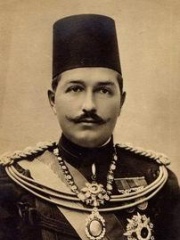
Abbas II of Egypt
POLITICIAN
1874 - 1944
HPI: 71.37
Rank: 124
Shepseskaf
POLITICIAN
2600 BC - 2499 BC
HPI: 71.31
Rank: 125

Ammonius Saccas
PHILOSOPHER
175 - 242
HPI: 71.27
Rank: 126
Among 政治家 In Egypt
Among 政治家 born in Egypt, Userkaf ranks 53. Before him are Senakhtenre Ahmose (-1600), Kamose (-1600), Teti (-2350), Isma'il Pasha (1830), Amenhotep II (-1401), and Alexander Helios (-40). After him are Mohamed Hussein Tantawi (1935), Abbas II of Egypt (1874), Shepseskaf (-2600), Apepi (-1600), Sekhemkhet (-2800), and Isetnofret (-1250).
Senakhtenre Ahmose
1600 BC - 1600 BC
HPI: 72.21
Rank: 47
Kamose
1600 BC - 1549 BC
HPI: 72.17
Rank: 48
Teti
2350 BC - 2350 BC
HPI: 71.96
Rank: 49
Isma'il Pasha
1830 - 1895
HPI: 71.90
Rank: 50
Amenhotep II
1401 BC - 1401 BC
HPI: 71.80
Rank: 51
Alexander Helios
40 BC - 25 BC
HPI: 71.79
Rank: 52
Userkaf
2600 BC - 2500 BC
HPI: 71.73
Rank: 53
Mohamed Hussein Tantawi
1935 - 2021
HPI: 71.62
Rank: 54
Abbas II of Egypt
1874 - 1944
HPI: 71.37
Rank: 55
Shepseskaf
2600 BC - 2499 BC
HPI: 71.31
Rank: 56
Apepi
1600 BC - 1549 BC
HPI: 71.15
Rank: 57
Sekhemkhet
2800 BC - 2700 BC
HPI: 71.03
Rank: 58
Isetnofret
1250 BC - Present
HPI: 70.91
Rank: 59