作家
Terence
185 BC - 159 BC
JA.WIKIPEDIA PAGE VIEWS (PV)
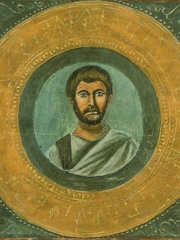
 Terence
プブリウス・テレンティウス・アフェル(ラテン語: Publius Terentius Afer, 英語: Terence, 紀元前185年 - 紀元前159年)は共和政ローマの劇作家。テレンティウスの喜劇が最初に上演されたのは紀元前166年から紀元前160年頃である。若くして亡くなったが、その場所はおそらくギリシア、もしくはローマへ戻る途上だろうと言われている。 スエトニウスによれば、カルタゴ生まれのテレンティウスは、元老院議員テレンティウス・ルカヌスによって奴隷としてローマに連れてこられたが、肉体的な美しさと頭の良さを買われ、ルカヌスはテレンティウスに教育を施し、奴隷から解放したとされる。 ウィキペディアで詳細を読む
His biography is available in 61 different languages on Wikipedia. Terence is the 210th most popular 作家 (up from 216th in 2024), the 5th most popular biography from Tunisia and the most popular Tunisian 作家.
Terence is most famous for his comedies. He is also known for his translations of Greek plays.
Memorability Metrics
Page views of Terence by language
Among 作家
Among 作家, Terence ranks 210 out of 7,302. Before him are Imre Kertész, Luís de Camões, David Woodard, Ahmad ibn Hanbal, Svetlana Alexievich, and Terry Pratchett. After him are Frédéric Mistral, Karel Čapek, Carlo Goldoni, Pearl S. Buck, George Sand, and Roger Martin du Gard.
Most Popular 作家 in Wikipedia
Go to all Rankings
Imre Kertész
1929 - 2016
HPI: 78.20
Rank: 204
Luís de Camões
1524 - 1580
HPI: 78.20
Rank: 205

David Woodard
1964 - Present
HPI: 78.20
Rank: 206

Ahmad ibn Hanbal
780 - 855
HPI: 78.16
Rank: 207
Svetlana Alexievich
1948 - Present
HPI: 78.14
Rank: 208

Terry Pratchett
1948 - 2015
HPI: 78.12
Rank: 209
Terence
185 BC - 159 BC
HPI: 78.08
Rank: 210
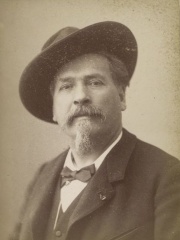
Frédéric Mistral
1830 - 1914
HPI: 78.05
Rank: 211
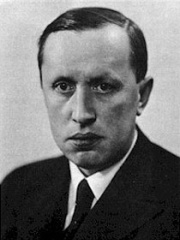
Karel Čapek
1890 - 1938
HPI: 77.96
Rank: 212
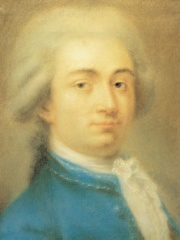
Carlo Goldoni
1707 - 1793
HPI: 77.89
Rank: 213
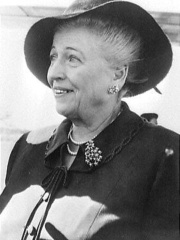
Pearl S. Buck
1892 - 1973
HPI: 77.88
Rank: 214
George Sand
1804 - 1876
HPI: 77.79
Rank: 215
Roger Martin du Gard
1881 - 1958
HPI: 77.76
Rank: 216

Contemporaries
Among people born in 185 BC, Terence ranks 1. After him are Cleopatra II of Egypt, Scipio Aemilianus, Panaetius, and Andriscus. Among people deceased in 159 BC, Terence ranks 1. After him are Eumenes II, Artaxias I, Pharnaces I of Pontus, Sauromaces I of Iberia, and Kātyāyana.
Others Born in 185 BC
Go to all RankingsTerence
WRITER
185 BC - 159 BC
HPI: 78.08
Rank: 1
Cleopatra II of Egypt
POLITICIAN
185 BC - 116 BC
HPI: 76.57
Rank: 2
Scipio Aemilianus
POLITICIAN
185 BC - 129 BC
HPI: 72.12
Rank: 3
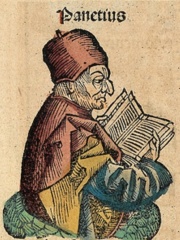
Panaetius
PHILOSOPHER
185 BC - 110 BC
HPI: 71.45
Rank: 4
Andriscus
POLITICIAN
185 BC - 146 BC
HPI: 62.43
Rank: 5
Others Deceased in 159 BC
Go to all RankingsTerence
WRITER
185 BC - 159 BC
HPI: 78.08
Rank: 1
Eumenes II
POLITICIAN
221 BC - 159 BC
HPI: 69.91
Rank: 2
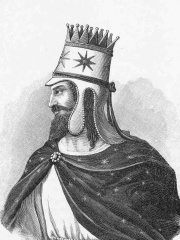
Artaxias I
POLITICIAN
230 BC - 159 BC
HPI: 66.66
Rank: 3
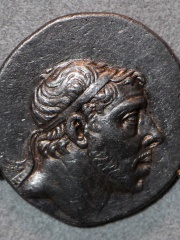
Pharnaces I of Pontus
POLITICIAN
300 BC - 159 BC
HPI: 65.05
Rank: 4

Sauromaces I of Iberia
POLITICIAN
250 BC - 159 BC
HPI: 59.74
Rank: 5

Kātyāyana
MATHEMATICIAN
200 BC - 159 BC
HPI: 53.88
Rank: 6
In Tunisia
Among people born in Tunisia, Terence ranks 5 out of 210. Before him are Ibn Khaldun (1332), Hannibal (-247), Claudia Cardinale (1938), and Aemilianus (207). After him are Tertullian (155), Cyprian (200), Hasdrubal Barca (-300), Zine El Abidine Ben Ali (1936), Habib Bourguiba (1903), Gordian II (190), and Fatima al-Fihri (800).
Others born in Tunisia
Go to all Rankings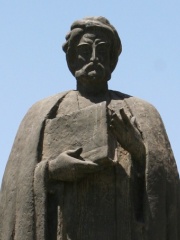
Ibn Khaldun
HISTORIAN
1332 - 1406
HPI: 86.74
Rank: 1
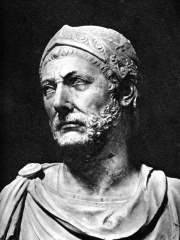
Hannibal
POLITICIAN
247 BC - 183 BC
HPI: 86.62
Rank: 2
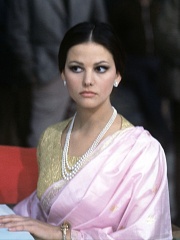
Claudia Cardinale
ACTOR
1938 - 2025
HPI: 80.94
Rank: 3
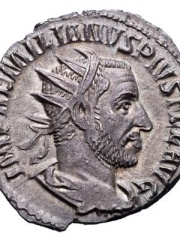
Aemilianus
POLITICIAN
207 - 253
HPI: 80.53
Rank: 4
Terence
WRITER
185 BC - 159 BC
HPI: 78.08
Rank: 5
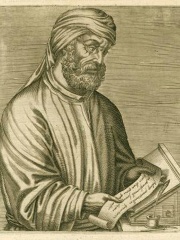
Tertullian
PHILOSOPHER
155 - 220
HPI: 78.04
Rank: 6
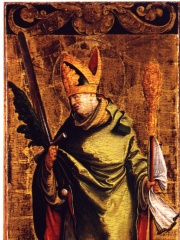
Cyprian
RELIGIOUS FIGURE
200 - 258
HPI: 76.90
Rank: 7
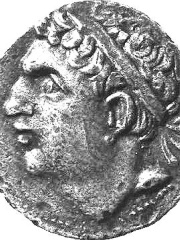
Hasdrubal Barca
MILITARY PERSONNEL
300 BC - 221 BC
HPI: 76.64
Rank: 8

Zine El Abidine Ben Ali
POLITICIAN
1936 - 2019
HPI: 76.34
Rank: 9
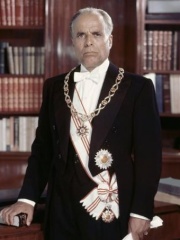
Habib Bourguiba
POLITICIAN
1903 - 2000
HPI: 75.92
Rank: 10
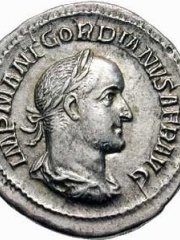
Gordian II
POLITICIAN
190 - 238
HPI: 75.62
Rank: 11
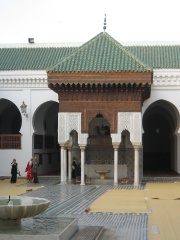
Fatima al-Fihri
RELIGIOUS FIGURE
800 - 880
HPI: 74.98
Rank: 12
Among 作家 In Tunisia
Among 作家 born in Tunisia, Terence ranks 1. After him are Avienus (305), Albert Memmi (1920), Nemesianus (300), Gisèle Halimi (1927), Dracontius (455), Aboul-Qacem Echebbi (1909), and Ahlam Mosteghanemi (1953).
Terence
185 BC - 159 BC
HPI: 78.08
Rank: 1

Avienus
305 - 375
HPI: 68.35
Rank: 2
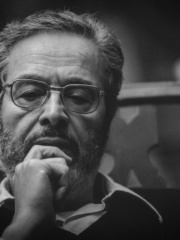
Albert Memmi
1920 - 2020
HPI: 62.83
Rank: 3

Nemesianus
300 - 300
HPI: 60.91
Rank: 4

Gisèle Halimi
1927 - 2020
HPI: 60.45
Rank: 5

Dracontius
455 - 505
HPI: 60.42
Rank: 6
Aboul-Qacem Echebbi
1909 - 1934
HPI: 58.26
Rank: 7

Ahlam Mosteghanemi
1953 - Present
HPI: 56.34
Rank: 8