歴史家
Roger Chartier
1945 - 現在
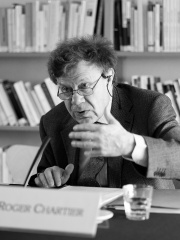
 Roger Chartier
ロジェ・シャルチエ(Roger Chartier、1945年12月9日 - )は、フランスの歴史家。読書の歴史、読者の歴史、メディア史を専門分野とする。フランス歴史学アナール学派の第四世代に属する。特に「アプロプリアシオン」概念の提唱で著名。 ウィキペディアで詳細を読む
His biography is available in 17 different languages on Wikipedia. Roger Chartier is the 197th most popular 歴史家 (down from 188th in 2024), the 2,786th most popular biography from France (down from 2,697th in 2019) and the 28th most popular French 歴史家.
Memorability Metrics
Page views of Roger Chartier by language
Among 歴史家
Among 歴史家, Roger Chartier ranks 197 out of 561. Before him are Krste Misirkov, Henri Maspero, Ibn Wahshiyya, Alexander Kazhdan, Aulus Cremutius Cordus, and Paul Veyne. After him are Slobodan Jovanović, Christian Gottlob Heyne, H. A. R. Gibb, Howard Zinn, William of Malmesbury, and Philipp Spitta.
Most Popular 歴史家 in Wikipedia
Go to all Rankings
Krste Misirkov
1874 - 1926
HPI: 61.77
Rank: 191
Henri Maspero
1883 - 1945
HPI: 61.77
Rank: 192
Ibn Wahshiyya
900 - 930
HPI: 61.75
Rank: 193
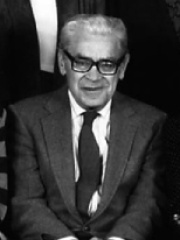
Alexander Kazhdan
1922 - 1997
HPI: 61.71
Rank: 194

Aulus Cremutius Cordus
50 BC - 25
HPI: 61.71
Rank: 195

Paul Veyne
1930 - 2022
HPI: 61.67
Rank: 196
Roger Chartier
1945 - Present
HPI: 61.66
Rank: 197
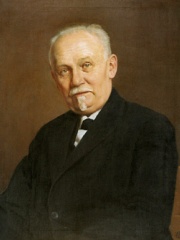
Slobodan Jovanović
1869 - 1958
HPI: 61.65
Rank: 198
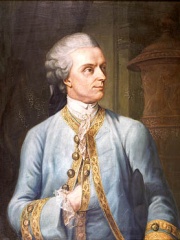
Christian Gottlob Heyne
1729 - 1812
HPI: 61.61
Rank: 199
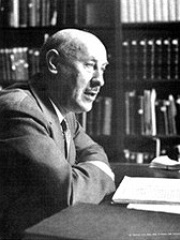
H. A. R. Gibb
1895 - 1971
HPI: 61.60
Rank: 200
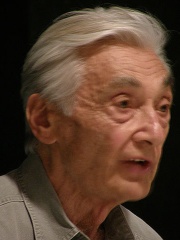
Howard Zinn
1922 - 2010
HPI: 61.58
Rank: 201
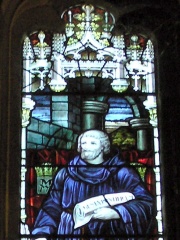
William of Malmesbury
1080 - 1140
HPI: 61.56
Rank: 202
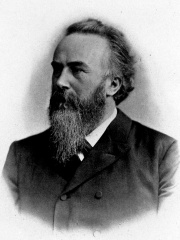
Philipp Spitta
1841 - 1894
HPI: 61.54
Rank: 203

Contemporaries
Among people born in 1945, Roger Chartier ranks 228. Before him are Douglas Hofstadter, Richard Armitage, Basil Poledouris, Stephen Stills, Francesca Annis, and Wilfried Van Moer. After him are Panagiotis Pikrammenos, Michael Martin, Baron Martin of Springburn, Jörg Immendorff, Pablo Forlán, Pinarayi Vijayan, and David Purley.
Others Born in 1945
Go to all Rankings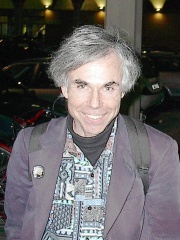
Douglas Hofstadter
PHYSICIST
1945 - Present
HPI: 61.93
Rank: 222
Richard Armitage
DIPLOMAT
1945 - 2025
HPI: 61.92
Rank: 223
Basil Poledouris
COMPOSER
1945 - 2006
HPI: 61.89
Rank: 224

Stephen Stills
SINGER
1945 - Present
HPI: 61.80
Rank: 225
Francesca Annis
ACTOR
1945 - Present
HPI: 61.72
Rank: 226
Wilfried Van Moer
SOCCER PLAYER
1945 - 2021
HPI: 61.72
Rank: 227
Roger Chartier
HISTORIAN
1945 - Present
HPI: 61.66
Rank: 228
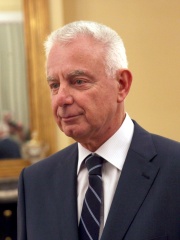
Panagiotis Pikrammenos
JUDGE
1945 - Present
HPI: 61.61
Rank: 229
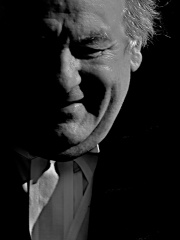
Michael Martin, Baron Martin of Springburn
POLITICIAN
1945 - 2018
HPI: 61.55
Rank: 230
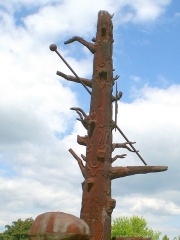
Jörg Immendorff
PAINTER
1945 - 2007
HPI: 61.45
Rank: 231

Pablo Forlán
SOCCER PLAYER
1945 - Present
HPI: 61.44
Rank: 232
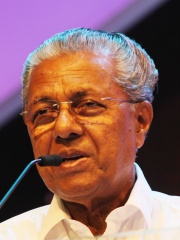
Pinarayi Vijayan
POLITICIAN
1945 - Present
HPI: 61.42
Rank: 233

David Purley
RACING DRIVER
1945 - 1985
HPI: 61.42
Rank: 234
In France
Among people born in France, Roger Chartier ranks 2,786 out of 6,770. Before him are Louis Billot (1846), Juliette Drouet (1806), Paul Veyne (1930), André Cayatte (1909), Michel Sardou (1947), and Jean-François Dandrieu (1682). After him are Anne Vallayer-Coster (1744), Joseph Caillaux (1863), Line Renaud (1928), Louis Antoine de Noailles (1651), Alain Robert (1962), and Princess Françoise of Orléans (1844).
Others born in France
Go to all Rankings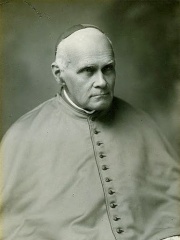
Louis Billot
RELIGIOUS FIGURE
1846 - 1931
HPI: 61.68
Rank: 2,780
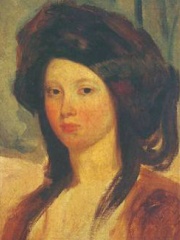
Juliette Drouet
POLITICIAN
1806 - 1883
HPI: 61.68
Rank: 2,781
Paul Veyne
HISTORIAN
1930 - 2022
HPI: 61.67
Rank: 2,782
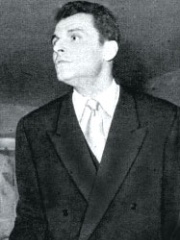
André Cayatte
FILM DIRECTOR
1909 - 1989
HPI: 61.67
Rank: 2,783

Michel Sardou
SINGER
1947 - Present
HPI: 61.67
Rank: 2,784

Jean-François Dandrieu
COMPOSER
1682 - 1738
HPI: 61.67
Rank: 2,785
Roger Chartier
HISTORIAN
1945 - Present
HPI: 61.66
Rank: 2,786
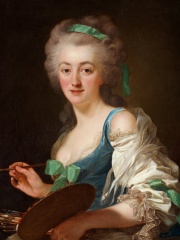
Anne Vallayer-Coster
PAINTER
1744 - 1818
HPI: 61.66
Rank: 2,787
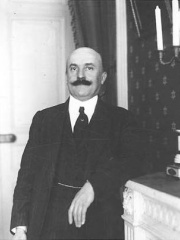
Joseph Caillaux
POLITICIAN
1863 - 1944
HPI: 61.66
Rank: 2,788
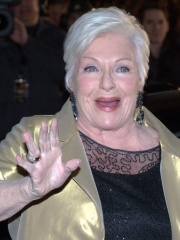
Line Renaud
SINGER
1928 - Present
HPI: 61.65
Rank: 2,789
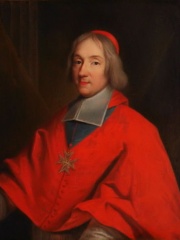
Louis Antoine de Noailles
RELIGIOUS FIGURE
1651 - 1729
HPI: 61.65
Rank: 2,790

Alain Robert
MOUNTAINEER
1962 - Present
HPI: 61.64
Rank: 2,791
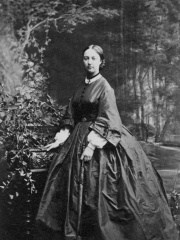
Princess Françoise of Orléans
POLITICIAN
1844 - 1925
HPI: 61.64
Rank: 2,792
Among 歴史家 In France
Among 歴史家 born in France, Roger Chartier ranks 28. Before him are François Furet (1927), Augustin Thierry (1795), Charles Diehl (1859), George Cœdès (1886), Henri Maspero (1883), and Paul Veyne (1930). After him are Edgar Quinet (1803), Joseph de Guignes (1721), Bernard Desclot (1201), Charles Rollin (1661), Régine Pernoud (1909), and André Clot (1909).
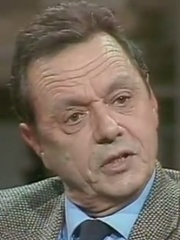
François Furet
1927 - 1997
HPI: 63.07
Rank: 22
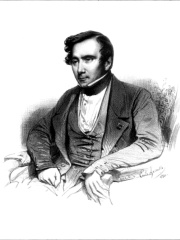
Augustin Thierry
1795 - 1856
HPI: 62.83
Rank: 23
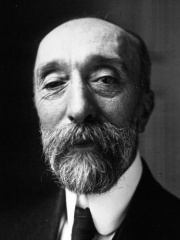
Charles Diehl
1859 - 1944
HPI: 62.52
Rank: 24
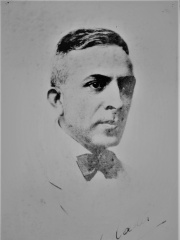
George Cœdès
1886 - 1969
HPI: 62.29
Rank: 25
Henri Maspero
1883 - 1945
HPI: 61.77
Rank: 26
Paul Veyne
1930 - 2022
HPI: 61.67
Rank: 27
Roger Chartier
1945 - Present
HPI: 61.66
Rank: 28
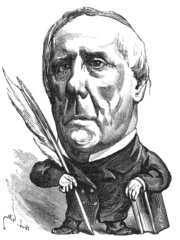
Edgar Quinet
1803 - 1875
HPI: 61.36
Rank: 29

Joseph de Guignes
1721 - 1800
HPI: 60.79
Rank: 30
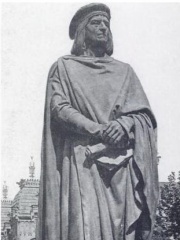
Bernard Desclot
1201 - 1287
HPI: 60.47
Rank: 31
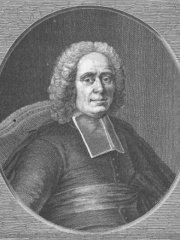
Charles Rollin
1661 - 1741
HPI: 60.21
Rank: 32

Régine Pernoud
1909 - 1998
HPI: 60.11
Rank: 33

André Clot
1909 - 2002
HPI: 59.88
Rank: 34