政治家
Philinna
400 BC - 400 BC
 Philinna
Memorability Metrics
Page views of Philinna by language
Among 政治家
Among 政治家, Philinna ranks 11,765 out of 19,576. Before her are Andrey Lyapchev, Nikenike Vurobaravu, Henry XV, Duke of Bavaria, Levon Mirzoyan, Carl Gustaf Tessin, and Henry Casimir I of Nassau-Dietz. After her are Katō Tomosaburō, Antonio Guzmán Blanco, Yunus Khan, Johannes Virolainen, Zhang Gaoli, and Alessandro Fortis.
Most Popular 政治家 in Wikipedia
Go to all Rankings
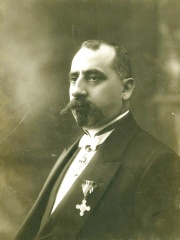
Andrey Lyapchev
1866 - 1933
HPI: 59.56
Rank: 11,765
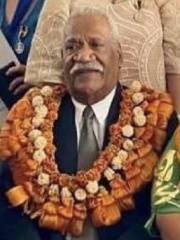
Nikenike Vurobaravu
1951 - Present
HPI: 59.56
Rank: 11,766

Henry XV, Duke of Bavaria
1312 - 1333
HPI: 59.56
Rank: 11,767
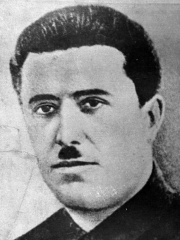
Levon Mirzoyan
1897 - 1939
HPI: 59.56
Rank: 11,768

Carl Gustaf Tessin
1695 - 1770
HPI: 59.56
Rank: 11,769
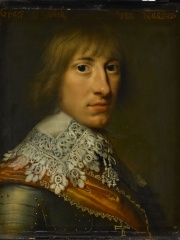
Henry Casimir I of Nassau-Dietz
1612 - 1640
HPI: 59.55
Rank: 11,770

Philinna
400 BC - 400 BC
HPI: 59.55
Rank: 11,771
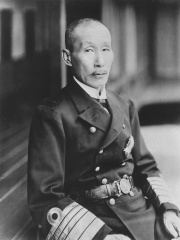
Katō Tomosaburō
1861 - 1923
HPI: 59.55
Rank: 11,772
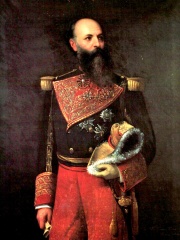
Antonio Guzmán Blanco
1829 - 1899
HPI: 59.55
Rank: 11,773
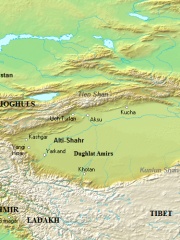
Yunus Khan
1415 - 1487
HPI: 59.55
Rank: 11,774
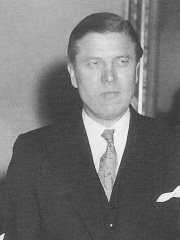
Johannes Virolainen
1914 - 2000
HPI: 59.55
Rank: 11,775

Zhang Gaoli
1946 - Present
HPI: 59.55
Rank: 11,776
Alessandro Fortis
1842 - 1909
HPI: 59.55
Rank: 11,777

Contemporaries
Among people born in 400 BC, Philinna ranks 90. Before her are Orestes of Macedon, Laomedon of Mytilene, Cineas, Agesipolis II, Nicanor, and Alcetas. After her are Mahapadma Nanda, Monimus, Orontes II, Phaenias of Eresus, Sosipatra, and Diocles of Carystus. Among people deceased in 400 BC, Philinna ranks 34. Before her are Nausiphanes, Diphilus, Aeneas Tacticus, Cersobleptes, Lagus, and Argaeus II of Macedon. After her are Euphranor, Pamphilus, Arsinoe of Macedon, Androtion, Sosipatra, and Shi Shen.
Others Born in 400 BC
Go to all Rankings
Orestes of Macedon
POLITICIAN
400 BC - 396 BC
HPI: 59.87
Rank: 84
Laomedon of Mytilene
MILITARY PERSONNEL
400 BC - 360 BC
HPI: 59.81
Rank: 85
Cineas
PHILOSOPHER
400 BC - 300 BC
HPI: 59.80
Rank: 86

Agesipolis II
POLITICIAN
400 BC - 370 BC
HPI: 59.75
Rank: 87

Nicanor
MILITARY PERSONNEL
400 BC - 310 BC
HPI: 59.70
Rank: 88
Alcetas
POLITICIAN
400 BC - 319 BC
HPI: 59.59
Rank: 89
Philinna
POLITICIAN
400 BC - 400 BC
HPI: 59.55
Rank: 90
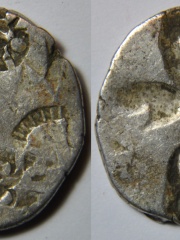
Mahapadma Nanda
POLITICIAN
400 BC - 329 BC
HPI: 59.51
Rank: 91
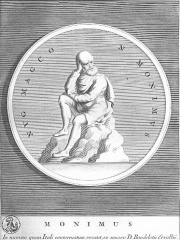
Monimus
PHILOSOPHER
400 BC - Present
HPI: 59.50
Rank: 92
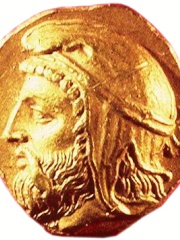
Orontes II
POLITICIAN
400 BC - 331 BC
HPI: 59.42
Rank: 93

Phaenias of Eresus
PHILOSOPHER
400 BC - 360 BC
HPI: 59.39
Rank: 94

Sosipatra
PHILOSOPHER
400 BC - 400 BC
HPI: 59.26
Rank: 95

Diocles of Carystus
PHYSICIAN
400 BC - 300 BC
HPI: 59.23
Rank: 96
Others Deceased in 400 BC
Go to all Rankings
Nausiphanes
PHILOSOPHER
400 BC - 400 BC
HPI: 60.41
Rank: 28
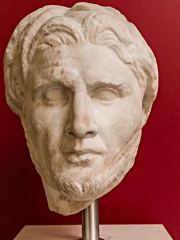
Diphilus
WRITER
350 BC - 400 BC
HPI: 60.34
Rank: 29

Aeneas Tacticus
WRITER
400 BC - 400 BC
HPI: 60.25
Rank: 30

Cersobleptes
POLITICIAN
350 BC - 400 BC
HPI: 60.25
Rank: 31

Lagus
POLITICIAN
400 BC - 400 BC
HPI: 60.09
Rank: 32

Argaeus II of Macedon
POLITICIAN
500 BC - 400 BC
HPI: 60.06
Rank: 33
Philinna
POLITICIAN
400 BC - 400 BC
HPI: 59.55
Rank: 34
Euphranor
PAINTER
301 BC - 400 BC
HPI: 59.54
Rank: 35

Pamphilus
PAINTER
390 BC - 400 BC
HPI: 59.50
Rank: 36

Arsinoe of Macedon
POLITICIAN
350 BC - 400 BC
HPI: 59.44
Rank: 37

Androtion
POLITICIAN
500 BC - 400 BC
HPI: 59.33
Rank: 38
Sosipatra
PHILOSOPHER
400 BC - 400 BC
HPI: 59.26
Rank: 39

Shi Shen
ASTRONOMER
400 BC - 400 BC
HPI: 58.53
Rank: 40
In ギリシャ
Among people born in ギリシャ, Philinna ranks 591 out of NaN. Before her are Machanidas (-254), Apollodorus the Epicurean (-150), Joseph Sifakis (1946), Rhianus (-275), Ieronymos II of Athens (1938), and Eudamidas III (-300). After her are Euphranor (-301), Theagenes of Megara (-700), Pamphilus (-390), Mentor of Rhodes (-380), Petros Persakis (1879), and Areus II (-262).
Others born in ギリシャ
Go to all Rankings
Machanidas
POLITICIAN
254 BC - 207 BC
HPI: 59.71
Rank: 585

Apollodorus the Epicurean
PHILOSOPHER
150 BC - 150 BC
HPI: 59.70
Rank: 586
Joseph Sifakis
COMPUTER SCIENTIST
1946 - Present
HPI: 59.66
Rank: 587

Rhianus
WRITER
275 BC - 300 BC
HPI: 59.65
Rank: 588
Ieronymos II of Athens
RELIGIOUS FIGURE
1938 - Present
HPI: 59.65
Rank: 589

Eudamidas III
POLITICIAN
300 BC - 300 BC
HPI: 59.63
Rank: 590
Philinna
POLITICIAN
400 BC - 400 BC
HPI: 59.55
Rank: 591
Euphranor
PAINTER
301 BC - 400 BC
HPI: 59.54
Rank: 592

Theagenes of Megara
POLITICIAN
700 BC - 600 BC
HPI: 59.51
Rank: 593
Pamphilus
PAINTER
390 BC - 400 BC
HPI: 59.50
Rank: 594

Mentor of Rhodes
SOCIAL ACTIVIST
380 BC - 340 BC
HPI: 59.44
Rank: 595

Petros Persakis
GYMNAST
1879 - 1952
HPI: 59.42
Rank: 596
Areus II
POLITICIAN
262 BC - 254 BC
HPI: 59.39
Rank: 597
Among 政治家 In ギリシャ
Among 政治家 born in ギリシャ, Philinna ranks 250. Before her are Cleombrotus II (-250), Thrasymedes (null), Agesipolis II (-400), Charilaos Trikoupis (1832), Machanidas (-254), and Eudamidas III (-300). After her are Theagenes of Megara (-700), Areus II (-262), Spyridon Trikoupis (1788), Doryssus (null), Ioannis Rallis (1878), and Ioannis Alevras (1912).
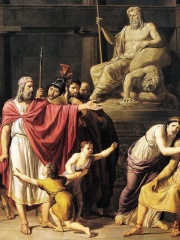
Cleombrotus II
250 BC - 300 BC
HPI: 59.82
Rank: 244

Thrasymedes
HPI: 59.78
Rank: 245
Agesipolis II
400 BC - 370 BC
HPI: 59.75
Rank: 246
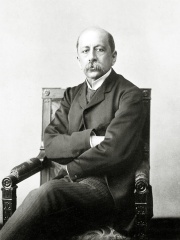
Charilaos Trikoupis
1832 - 1896
HPI: 59.75
Rank: 247
Machanidas
254 BC - 207 BC
HPI: 59.71
Rank: 248
Eudamidas III
300 BC - 300 BC
HPI: 59.63
Rank: 249
Philinna
400 BC - 400 BC
HPI: 59.55
Rank: 250
Theagenes of Megara
700 BC - 600 BC
HPI: 59.51
Rank: 251
Areus II
262 BC - 254 BC
HPI: 59.39
Rank: 252
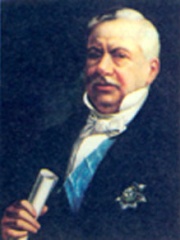
Spyridon Trikoupis
1788 - 1873
HPI: 59.32
Rank: 253

Doryssus
HPI: 59.20
Rank: 254
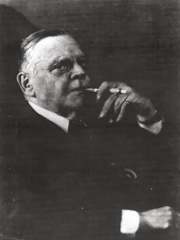
Ioannis Rallis
1878 - 1946
HPI: 59.16
Rank: 255
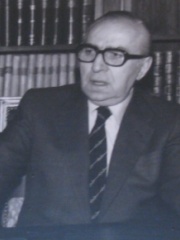
Ioannis Alevras
1912 - 1995
HPI: 59.15
Rank: 256