宗教家
Pamphilus of Caesarea
240 - 309
 Pamphilus of Caesarea
Memorability Metrics
Page views of Pamphilus of Caesarea by language
Among 宗教家
Among 宗教家, Pamphilus of Caesarea ranks 1,269 out of 3,187. Before him are Xenia of Saint Petersburg, Diego de Landa, Geert Groote, Valentin Haüy, Jean-Claude Hollerich, and Franz Jägerstätter. After him are Pope Demetrius I of Alexandria, Stephen Harding, Anthimus I of Constantinople, Saint Silvia, Elisheba, and Fulgentius of Ruspe.
Most Popular 宗教家 in Wikipedia
Go to all Rankings
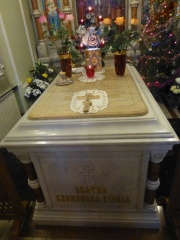
Xenia of Saint Petersburg
1719 - 1803
HPI: 64.81
Rank: 1,263
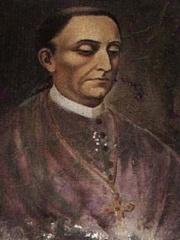
Diego de Landa
1524 - 1579
HPI: 64.80
Rank: 1,264
Geert Groote
1340 - 1384
HPI: 64.79
Rank: 1,265
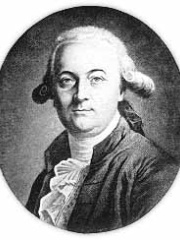
Valentin Haüy
1745 - 1822
HPI: 64.79
Rank: 1,266
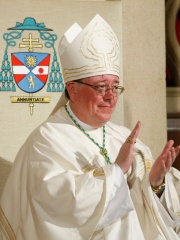
Jean-Claude Hollerich
1958 - Present
HPI: 64.79
Rank: 1,267
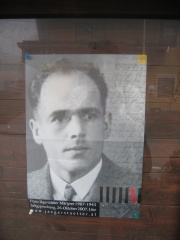
Franz Jägerstätter
1907 - 1943
HPI: 64.79
Rank: 1,268

Pamphilus of Caesarea
240 - 309
HPI: 64.79
Rank: 1,269
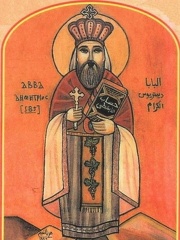
Pope Demetrius I of Alexandria
200 - 231
HPI: 64.76
Rank: 1,270
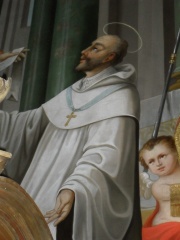
Stephen Harding
1059 - 1134
HPI: 64.76
Rank: 1,271

Anthimus I of Constantinople
600 - 660
HPI: 64.76
Rank: 1,272
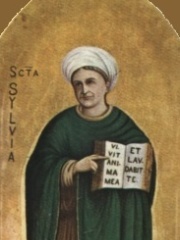
Saint Silvia
515 - 592
HPI: 64.75
Rank: 1,273

Elisheba
HPI: 64.74
Rank: 1,274

Fulgentius of Ruspe
468 - 533
HPI: 64.74
Rank: 1,275

Contemporaries
Among people born in 240, Pamphilus of Caesarea ranks 4. Before him are Zenobia, Maximian, and Lucian of Antioch. After him are Sima Lun, Gupta, and Cassian of Imola. Among people deceased in 309, Pamphilus of Caesarea ranks 4. Before him are Pope Marcellus I, Saint Menas, and Hormizd II. After him are Domitius Alexander, Adur Narseh, Quirinus of Sescia, and Valerius Romulus.
Others Born in 240
Go to all Rankings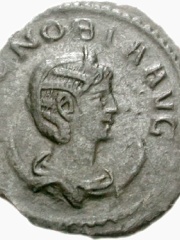
Zenobia
POLITICIAN
240 - 275
HPI: 78.70
Rank: 1
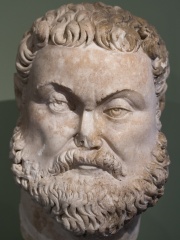
Maximian
POLITICIAN
240 - 310
HPI: 77.60
Rank: 2

Lucian of Antioch
RELIGIOUS FIGURE
240 - 312
HPI: 67.57
Rank: 3
Pamphilus of Caesarea
RELIGIOUS FIGURE
240 - 309
HPI: 64.79
Rank: 4

Sima Lun
POLITICIAN
240 - 301
HPI: 63.89
Rank: 5

Gupta
POLITICIAN
240 - 280
HPI: 62.40
Rank: 6
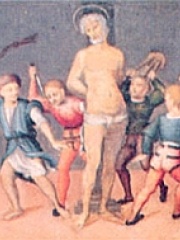
Cassian of Imola
RELIGIOUS FIGURE
240 - 303
HPI: 60.59
Rank: 7
Others Deceased in 309
Go to all Rankings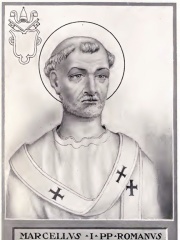
Pope Marcellus I
RELIGIOUS FIGURE
255 - 309
HPI: 79.26
Rank: 1
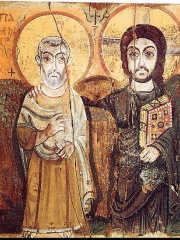
Saint Menas
RELIGIOUS FIGURE
285 - 309
HPI: 73.04
Rank: 2
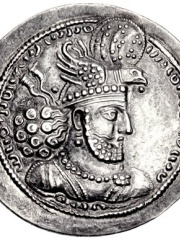
Hormizd II
POLITICIAN
300 - 309
HPI: 68.74
Rank: 3
Pamphilus of Caesarea
RELIGIOUS FIGURE
240 - 309
HPI: 64.79
Rank: 4
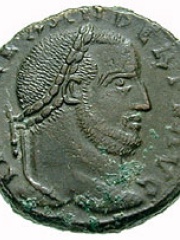
Domitius Alexander
POLITICIAN
300 - 309
HPI: 62.58
Rank: 5
Adur Narseh
POLITICIAN
250 - 309
HPI: 62.22
Rank: 6
Quirinus of Sescia
RELIGIOUS FIGURE
300 - 309
HPI: 62.03
Rank: 7
Valerius Romulus
POLITICIAN
294 - 309
HPI: 60.51
Rank: 8
In レバノン
Among people born in レバノン, Pamphilus of Caesarea ranks 44 out of NaN. Before him are Abbas al-Musawi (1952), Joseph Aoun (1964), Zeno of Sidon (-150), Serj Tankian (1967), Pierre Gemayel (1905), and Antipater of Sidon (-200). After him are Raymond II, Count of Tripoli (1115), Bechara El Khoury (1890), Camille Chamoun (1900), Nassim Nicholas Taleb (1960), Gazebo (1960), and Omar Karami (1934).
Others born in レバノン
Go to all Rankings
Abbas al-Musawi
POLITICIAN
1952 - 1992
HPI: 65.08
Rank: 38
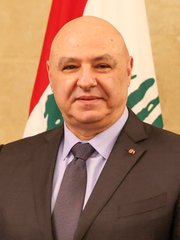
Joseph Aoun
POLITICIAN
1964 - Present
HPI: 64.93
Rank: 39
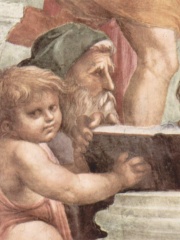
Zeno of Sidon
PHILOSOPHER
150 BC - 75 BC
HPI: 64.89
Rank: 40

Serj Tankian
MUSICIAN
1967 - Present
HPI: 64.86
Rank: 41
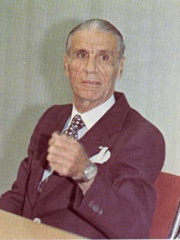
Pierre Gemayel
POLITICIAN
1905 - 1984
HPI: 64.85
Rank: 42

Antipater of Sidon
WRITER
200 BC - 100 BC
HPI: 64.83
Rank: 43
Pamphilus of Caesarea
RELIGIOUS FIGURE
240 - 309
HPI: 64.79
Rank: 44
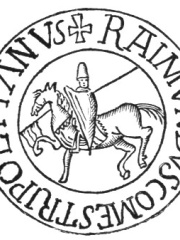
Raymond II, Count of Tripoli
POLITICIAN
1115 - 1152
HPI: 64.70
Rank: 45
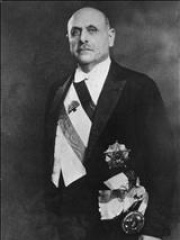
Bechara El Khoury
POLITICIAN
1890 - 1964
HPI: 64.58
Rank: 46
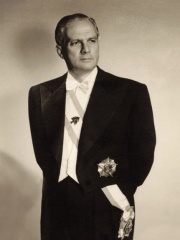
Camille Chamoun
POLITICIAN
1900 - 1987
HPI: 64.34
Rank: 47
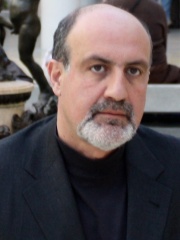
Nassim Nicholas Taleb
ECONOMIST
1960 - Present
HPI: 64.16
Rank: 48

Gazebo
SINGER
1960 - Present
HPI: 63.99
Rank: 49

Omar Karami
POLITICIAN
1934 - 2015
HPI: 63.89
Rank: 50
Among 宗教家 In レバノン
Among 宗教家 born in レバノン, Pamphilus of Caesarea ranks 11. Before him are Eusebius of Nicomedia (280), Sheikh Adi ibn Musafir (1073), Rashid Rida (1865), Frumentius (400), Bechara Boutros al-Rahi (1940), and Nimatullah Kassab (1808). After him are Raphaël Bedros XXI Minassian (1946), Nasrallah Boutros Sfeir (1920), Abd al-Rahman al-Awza'i (707), Hashem Safieddine (1964), Aram I (1947), and Giuseppe Simone Assemani (1686).

Eusebius of Nicomedia
280 - 341
HPI: 69.87
Rank: 5

Sheikh Adi ibn Musafir
1073 - 1162
HPI: 67.80
Rank: 6
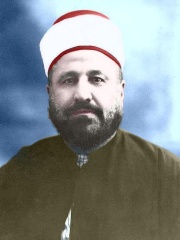
Rashid Rida
1865 - 1935
HPI: 67.41
Rank: 7
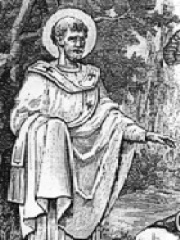
Frumentius
400 - 383
HPI: 66.97
Rank: 8
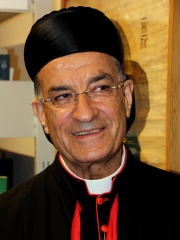
Bechara Boutros al-Rahi
1940 - Present
HPI: 66.65
Rank: 9
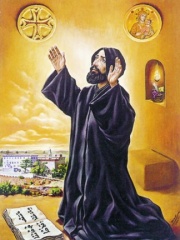
Nimatullah Kassab
1808 - 1858
HPI: 66.26
Rank: 10
Pamphilus of Caesarea
240 - 309
HPI: 64.79
Rank: 11
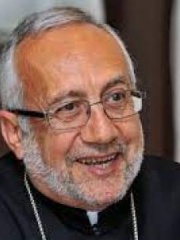
Raphaël Bedros XXI Minassian
1946 - Present
HPI: 63.18
Rank: 12
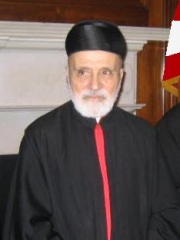
Nasrallah Boutros Sfeir
1920 - 2019
HPI: 62.29
Rank: 13

Abd al-Rahman al-Awza'i
707 - 774
HPI: 62.04
Rank: 14
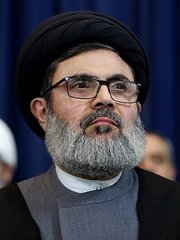
Hashem Safieddine
1964 - 2024
HPI: 60.69
Rank: 15
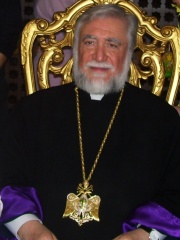
Aram I
1947 - Present
HPI: 60.27
Rank: 16
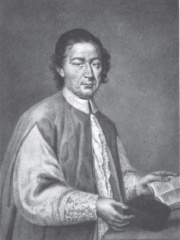
Giuseppe Simone Assemani
1686 - 1768
HPI: 57.17
Rank: 17




