宗教家
Josep Maria Mauri
1941 - 現在
JA.WIKIPEDIA PAGE VIEWS (PV)

 Josep Maria Mauri
ジョゼップ・マリア・マウリ・イ・プリオル(カタルーニャ語: Josep Maria Mauri i Prior、1941年10月21日 - )は、カタルーニャ出身のスペインのカトリック司祭。2012年7月20日からアンドラ共同公駐在代理官を務める。 ウルゲル公会議神学校で哲学と神学を学んだ。マウリはグレゴリアン大学で教会史の学位を取得。 ウィキペディアで詳細を読む
彼の伝記はウィキペディアで23言語で利用可能です(2024年の22言語から増加)。Josep Maria Mauriは、最も人気のある宗教家の中で第1841位(2024年の第2233位から順位を上げ)、スペイン人物の伝記の中で第858位(2019年の第1210位から順位を上げ)、また最も人気のあるスペイン人宗教家の中で第71位に位置しています。
Memorability Metrics
Page views of Josep Maria Mauri by language
Among 宗教家
Among 宗教家, Josep Maria Mauri ranks 1,841 out of 3,187. Before him are Nicolás de Jesús López Rodríguez, Danilo I, Metropolitan of Cetinje, Bernard de Montfaucon, Miloslav Vlk, Callistus I of Constantinople, and Saint Alban. After him are Macarius of Jerusalem, Lipit-Ishtar, Richard Simon, Ithamar, Hanshan, and Raimon Panikkar.
Most Popular 宗教家 in Wikipedia
Go to all Rankings
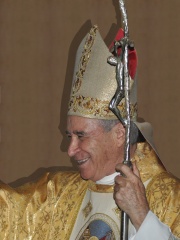
Nicolás de Jesús López Rodríguez
1936 - Present
HPI: 61.60
Rank: 1,835
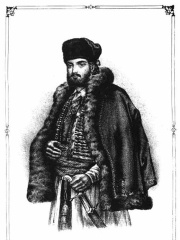
Danilo I, Metropolitan of Cetinje
1670 - 1735
HPI: 61.58
Rank: 1,836
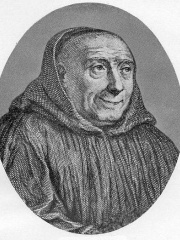
Bernard de Montfaucon
1655 - 1741
HPI: 61.57
Rank: 1,837
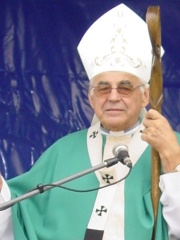
Miloslav Vlk
1932 - 2017
HPI: 61.57
Rank: 1,838

Callistus I of Constantinople
1300 - 1363
HPI: 61.57
Rank: 1,839
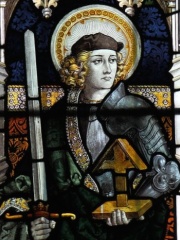
Saint Alban
300 - 305
HPI: 61.56
Rank: 1,840
Josep Maria Mauri
1941 - Present
HPI: 61.56
Rank: 1,841
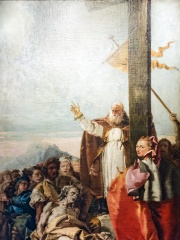
Macarius of Jerusalem
333 - 335
HPI: 61.55
Rank: 1,842
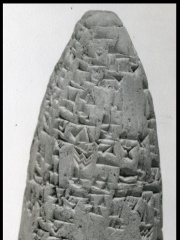
Lipit-Ishtar
1890 BC - Present
HPI: 61.55
Rank: 1,843
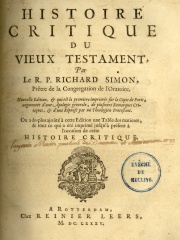
Richard Simon
1638 - 1712
HPI: 61.55
Rank: 1,844

Ithamar
HPI: 61.54
Rank: 1,845

Hanshan
800 - Present
HPI: 61.53
Rank: 1,846
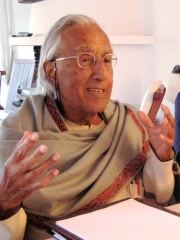
Raimon Panikkar
1918 - 2010
HPI: 61.53
Rank: 1,847

Contemporaries
Among people born in 1941, Josep Maria Mauri ranks 215. Before him are Reine Wisell, Fred West, Yoshiyuki Tomino, Leslie Lamport, Carla Gravina, and Bruce Nauman. After him are David Crystal, Vladimir Lyakhov, Lothar Emmerich, Jim "Bad News" Barnes, Bohdan Stupka, and Amir Pnueli.
Others Born in 1941
Go to all Rankings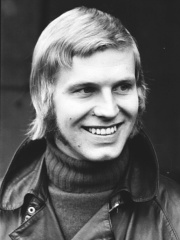
Reine Wisell
RACING DRIVER
1941 - 2022
HPI: 61.94
Rank: 209

Fred West
EXTREMIST
1941 - 1995
HPI: 61.87
Rank: 210

Yoshiyuki Tomino
FILM DIRECTOR
1941 - Present
HPI: 61.73
Rank: 211
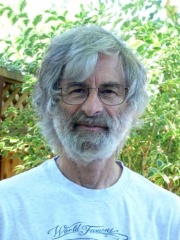
Leslie Lamport
COMPUTER SCIENTIST
1941 - Present
HPI: 61.71
Rank: 212

Carla Gravina
ACTOR
1941 - Present
HPI: 61.66
Rank: 213

Bruce Nauman
PAINTER
1941 - Present
HPI: 61.61
Rank: 214
Josep Maria Mauri
RELIGIOUS FIGURE
1941 - Present
HPI: 61.56
Rank: 215
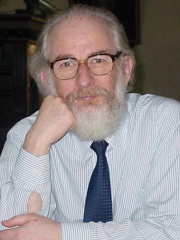
David Crystal
WRITER
1941 - Present
HPI: 61.54
Rank: 216

Vladimir Lyakhov
ASTRONAUT
1941 - 2018
HPI: 61.53
Rank: 217
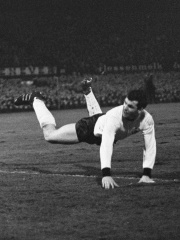
Lothar Emmerich
SOCCER PLAYER
1941 - 2003
HPI: 61.49
Rank: 218

Jim "Bad News" Barnes
BASKETBALL PLAYER
1941 - 2002
HPI: 61.49
Rank: 219

Bohdan Stupka
ACTOR
1941 - 2012
HPI: 61.48
Rank: 220
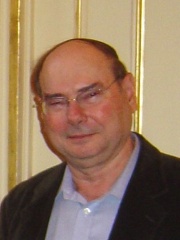
Amir Pnueli
COMPUTER SCIENTIST
1941 - 2009
HPI: 61.45
Rank: 221
In スペイン
Among people born in スペイン, Josep Maria Mauri ranks 858 out of NaN. Before him are Conchita Martínez (1972), Alfonso II, Count of Provence (1180), Muniadona of Castile (995), Ignacio Zoco (1939), Ignacio Zuloaga (1870), and Manuel García (1775). After him are Muhammad XIII of Granada (1500), Guillén de Castro y Bellvis (1569), Francisco Guerrero (1528), Mécia Lopes de Haro (1215), Francisco Sanches (1550), and Manuel Sanchís Hontiyuelo (1965).
Others born in スペイン
Go to all Rankings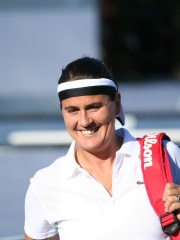
Conchita Martínez
TENNIS PLAYER
1972 - Present
HPI: 61.64
Rank: 852
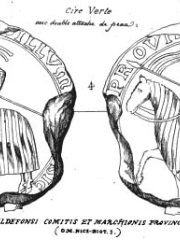
Alfonso II, Count of Provence
POLITICIAN
1180 - 1209
HPI: 61.63
Rank: 853

Muniadona of Castile
COMPANION
995 - 1066
HPI: 61.60
Rank: 854
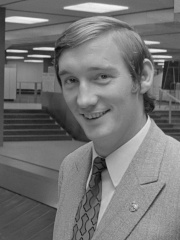
Ignacio Zoco
SOCCER PLAYER
1939 - 2015
HPI: 61.59
Rank: 855
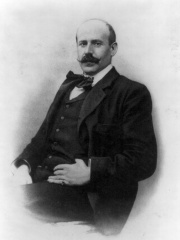
Ignacio Zuloaga
PAINTER
1870 - 1945
HPI: 61.58
Rank: 856
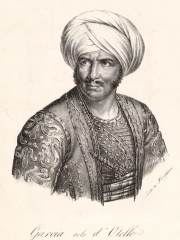
Manuel García
SINGER
1775 - 1832
HPI: 61.56
Rank: 857
Josep Maria Mauri
RELIGIOUS FIGURE
1941 - Present
HPI: 61.56
Rank: 858

Muhammad XIII of Granada
POLITICIAN
1500 - 1494
HPI: 61.56
Rank: 859
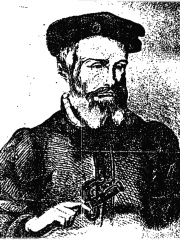
Guillén de Castro y Bellvis
WRITER
1569 - 1631
HPI: 61.56
Rank: 860
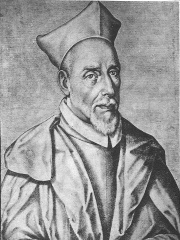
Francisco Guerrero
COMPOSER
1528 - 1599
HPI: 61.55
Rank: 861
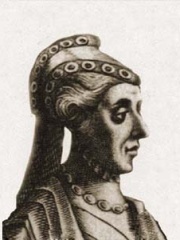
Mécia Lopes de Haro
COMPANION
1215 - 1270
HPI: 61.55
Rank: 862
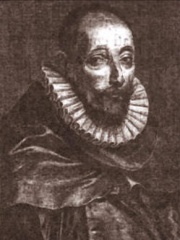
Francisco Sanches
PHILOSOPHER
1550 - 1623
HPI: 61.54
Rank: 863

Manuel Sanchís Hontiyuelo
SOCCER PLAYER
1965 - Present
HPI: 61.53
Rank: 864
Among 宗教家 In スペイン
Among 宗教家 born in スペイン, Josep Maria Mauri ranks 71. Before him are Javier Echevarría Rodríguez (1932), Theodulf of Orléans (750), Fructuosus of Braga (601), Alphonsus Rodriguez (1532), Abu Bakr ibn al-Arabi (1076), and Agobard (769). After him are Raimon Panikkar (1918), Gil Álvarez Carrillo de Albornoz (1310), Julian of Toledo (642), Diego Laynez (1512), Fernando Sebastián Aguilar (1929), and Pelagius of Córdoba (912).
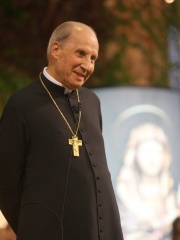
Javier Echevarría Rodríguez
1932 - 2016
HPI: 61.82
Rank: 65
Theodulf of Orléans
750 - 821
HPI: 61.80
Rank: 66
Fructuosus of Braga
601 - 665
HPI: 61.77
Rank: 67
Alphonsus Rodriguez
1532 - 1617
HPI: 61.70
Rank: 68
Abu Bakr ibn al-Arabi
1076 - 1148
HPI: 61.68
Rank: 69

Agobard
769 - 840
HPI: 61.64
Rank: 70
Josep Maria Mauri
1941 - Present
HPI: 61.56
Rank: 71
Raimon Panikkar
1918 - 2010
HPI: 61.53
Rank: 72
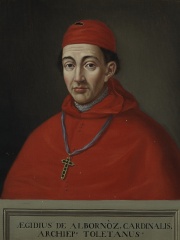
Gil Álvarez Carrillo de Albornoz
1310 - 1367
HPI: 61.40
Rank: 73
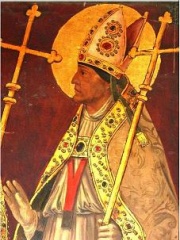
Julian of Toledo
642 - 690
HPI: 61.36
Rank: 74
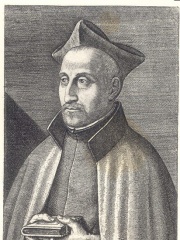
Diego Laynez
1512 - 1565
HPI: 61.21
Rank: 75
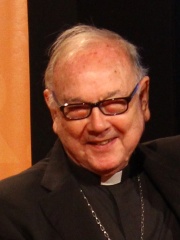
Fernando Sebastián Aguilar
1929 - 2019
HPI: 61.14
Rank: 76
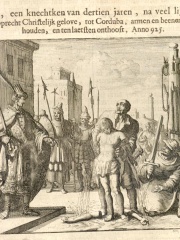
Pelagius of Córdoba
912 - 926
HPI: 60.97
Rank: 77