政治家
Hydatius
395 - 469

 Hydatius
ヒュダティウス(ラテン語: Hydatius、400年頃 - 469年頃)は、5世紀の西ローマ帝国末期のヒスパニア(現在のイベリア半島)の歴史家であり、聖職者である。アクアエ・フラウィアエ(現在のポルトガル、シャヴェス)の司教を務めたと考えられている。彼の著作は、西ローマ帝国末期のイベリア半島の動乱期を知る上で貴重な史料となっている。 ウィキペディアで詳細を読む
His biography is available in 26 different languages on Wikipedia. Hydatius is the 5,477th most popular 政治家 (down from 4,662nd in 2024), the 459th most popular biography from Spain (down from 418th in 2019) and the 164th most popular Spanish 政治家.
Memorability Metrics
Page views of Hydatius by language
Among 政治家
Among 政治家, Hydatius ranks 5,477 out of 19,576. Before him are Alain Juppé, Louis I, Grand Duke of Hesse, Cleisthenes of Sicyon, Ahmet Tevfik Pasha, Ercole III d'Este, Duke of Modena, and Pan Geng. After him are Princess Margaretha of Saxony, Ernst vom Rath, Adolphus Frederick V, Grand Duke of Mecklenburg-Strelitz, Suintila, Zechariah of Israel, and Wu Qi.
Most Popular 政治家 in Wikipedia
Go to all Rankings
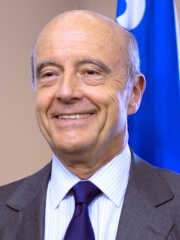
Alain Juppé
1945 - Present
HPI: 65.95
Rank: 5,473
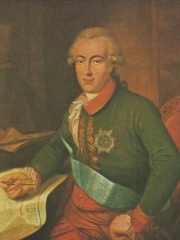
Louis I, Grand Duke of Hesse
1753 - 1830
HPI: 65.95
Rank: 5,474

Cleisthenes of Sicyon
701 BC - 600 BC
HPI: 65.95
Rank: 5,475
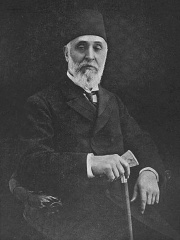
Ahmet Tevfik Pasha
1845 - 1936
HPI: 65.95
Rank: 5,476
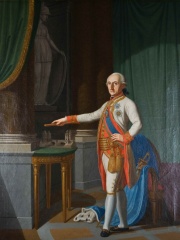
Ercole III d'Este, Duke of Modena
1727 - 1803
HPI: 65.94
Rank: 5,477

Pan Geng
1500 BC - 1374
HPI: 65.94
Rank: 5,478
Hydatius
395 - 469
HPI: 65.94
Rank: 5,479
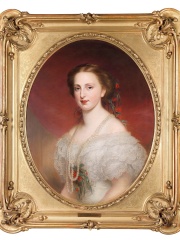
Princess Margaretha of Saxony
1840 - 1858
HPI: 65.94
Rank: 5,480
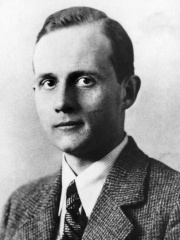
Ernst vom Rath
1909 - 1938
HPI: 65.94
Rank: 5,481
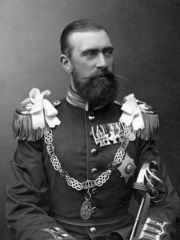
Adolphus Frederick V, Grand Duke of Mecklenburg-Strelitz
1848 - 1914
HPI: 65.94
Rank: 5,482
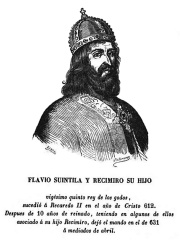
Suintila
594 - 634
HPI: 65.93
Rank: 5,483
Zechariah of Israel
800 BC - 752 BC
HPI: 65.93
Rank: 5,484
Wu Qi
440 BC - 381 BC
HPI: 65.93
Rank: 5,485

Contemporaries
Among people born in 395, Hydatius ranks 2. Before him is Avitus. After him are Dengizich, and Lupus of Troyes. Among people deceased in 469, Hydatius ranks 2. Before him is Ernak. After him are Dengizich, and Remismund.
Others Born in 395
Go to all Rankings
Avitus
POLITICIAN
395 - 457
HPI: 72.45
Rank: 1
Hydatius
POLITICIAN
395 - 469
HPI: 65.94
Rank: 2

Dengizich
POLITICIAN
395 - 469
HPI: 62.76
Rank: 3
Lupus of Troyes
RELIGIOUS FIGURE
395 - 479
HPI: 61.84
Rank: 4
Others Deceased in 469
Go to all Rankings

In Spain
Among people born in Spain, Hydatius ranks 459 out of 3,355. Before him are Serena (365), Infanta Cristina of Spain (1965), Garcilaso de la Vega (1501), Petrus Gonsalvus (1537), José Antonio Camacho (1955), and Francisco Rabal (1926). After him are Abraham Cresques (1325), Suintila (594), Maslama al-Majriti (950), Pío Baroja (1872), Anthony Mary Claret (1807), and Maria of Aragon, Queen of Castile (1403).
Others born in Spain
Go to all Rankings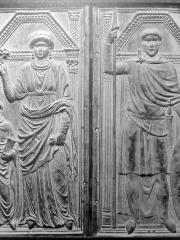
Serena
MILITARY PERSONNEL
365 - 408
HPI: 65.97
Rank: 453
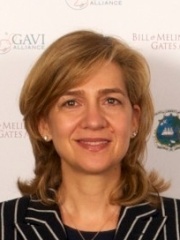
Infanta Cristina of Spain
POLITICIAN
1965 - Present
HPI: 65.96
Rank: 454
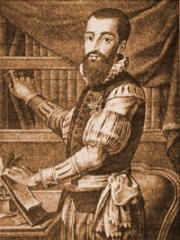
Garcilaso de la Vega
WRITER
1501 - 1536
HPI: 65.96
Rank: 455
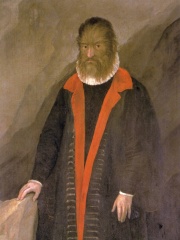
Petrus Gonsalvus
NOBLEMAN
1537 - 1618
HPI: 65.95
Rank: 456

José Antonio Camacho
SOCCER PLAYER
1955 - Present
HPI: 65.95
Rank: 457
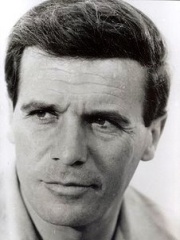
Francisco Rabal
ACTOR
1926 - 2001
HPI: 65.95
Rank: 458
Hydatius
POLITICIAN
395 - 469
HPI: 65.94
Rank: 459
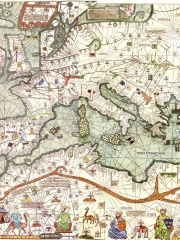
Abraham Cresques
GEOGRAPHER
1325 - 1387
HPI: 65.94
Rank: 460
Suintila
POLITICIAN
594 - 634
HPI: 65.93
Rank: 461

Maslama al-Majriti
ASTRONOMER
950 - 1007
HPI: 65.90
Rank: 462
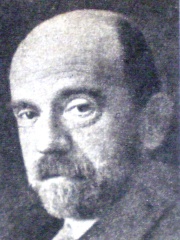
Pío Baroja
WRITER
1872 - 1956
HPI: 65.89
Rank: 463
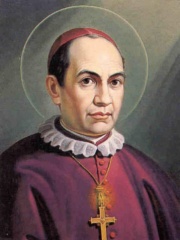
Anthony Mary Claret
RELIGIOUS FIGURE
1807 - 1870
HPI: 65.84
Rank: 464
Maria of Aragon, Queen of Castile
COMPANION
1403 - 1445
HPI: 65.81
Rank: 465
Among 政治家 In Spain
Among 政治家 born in Spain, Hydatius ranks 164. Before him are Juan, Count of Montizón (1822), Bermudo II of León (953), Egica (610), Anne Hidalgo (1959), Alfonso IV of León (890), and Infanta Cristina of Spain (1965). After him are Suintila (594), Liuva I (550), María de las Mercedes, Princess of Asturias (1880), Ulpia Marciana (48), Philip Prospero, Prince of Asturias (1657), and Eleanor of Alburquerque (1374).
Juan, Count of Montizón
1822 - 1887
HPI: 66.22
Rank: 158
Bermudo II of León
953 - 999
HPI: 66.22
Rank: 159
Egica
610 - 702
HPI: 66.14
Rank: 160

Anne Hidalgo
1959 - Present
HPI: 66.14
Rank: 161
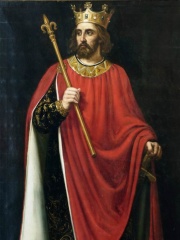
Alfonso IV of León
890 - 933
HPI: 66.05
Rank: 162
Infanta Cristina of Spain
1965 - Present
HPI: 65.96
Rank: 163
Hydatius
395 - 469
HPI: 65.94
Rank: 164
Suintila
594 - 634
HPI: 65.93
Rank: 165
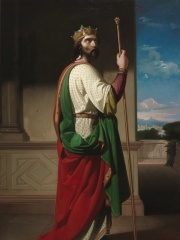
Liuva I
550 - 573
HPI: 65.78
Rank: 166
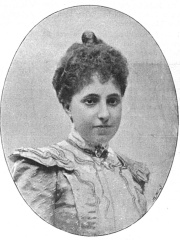
María de las Mercedes, Princess of Asturias
1880 - 1904
HPI: 65.73
Rank: 167
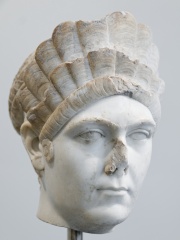
Ulpia Marciana
48 - 112
HPI: 65.72
Rank: 168
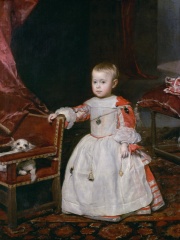
Philip Prospero, Prince of Asturias
1657 - 1661
HPI: 65.62
Rank: 169
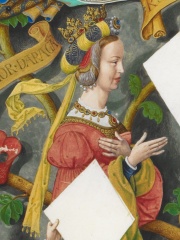
Eleanor of Alburquerque
1374 - 1435
HPI: 65.61
Rank: 170