政治家
Histiaeus
550 BC - 493 BC
JA.WIKIPEDIA PAGE VIEWS (PV)

 Histiaeus
ヒスティアイオス(Histiaeus, ? - 紀元前494年)は、リュサゴラスの息子で、紀元前6世紀後期のミレトスの僭主。 ウィキペディアで詳細を読む
彼の伝記はウィキペディアで24言語で利用可能です。Histiaeusは、最も人気のある政治家の中で第7684位(2024年の第6622位から順位を下げ)、トルコ人物の伝記の中で第657位(2019年の第600位から順位を下げ)、また最も人気のあるトルコ人政治家の中で第328位に位置しています。
Memorability Metrics
Page views of Histiaeus by language
Among 政治家
Among 政治家, Histiaeus ranks 7,687 out of 19,576. Before him are Gerberga, wife of Carloman I, Hümaşah Sultan, Ralph I, Count of Vermandois, Abdul Ghani Baradar, Dwight F. Davis, Margaret of Navarre, Mikuláš Dzurinda, Mwai Kibaki, and Archduchess Maria Leopoldine of Austria-Este. After him are Olof Björnsson, Antonio Possevino, and Marwan Barghouti.
Most Popular 政治家 in Wikipedia
Go to all Rankings
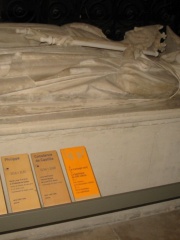
Gerberga, wife of Carloman I
800 - 800
HPI: 63.48
Rank: 7,681
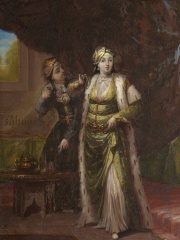
Hümaşah Sultan
1634 - 1672
HPI: 63.48
Rank: 7,682
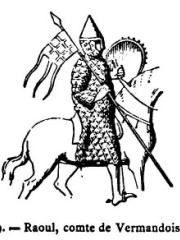
Ralph I, Count of Vermandois
1085 - 1152
HPI: 63.48
Rank: 7,683
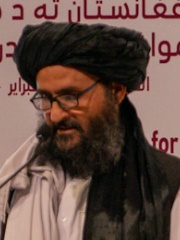
Abdul Ghani Baradar
1968 - Present
HPI: 63.48
Rank: 7,684
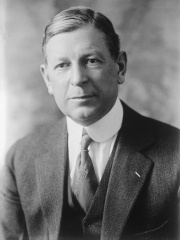
Dwight F. Davis
1879 - 1945
HPI: 63.48
Rank: 7,685
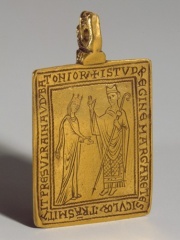
Margaret of Navarre
1134 - 1182
HPI: 63.48
Rank: 7,686
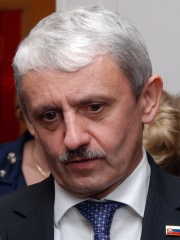
Mikuláš Dzurinda
1956 - Present
HPI: 63.48
Rank: 7,687
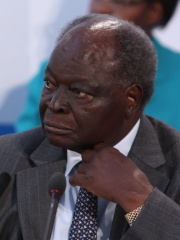
Mwai Kibaki
1931 - 2022
HPI: 63.48
Rank: 7,688
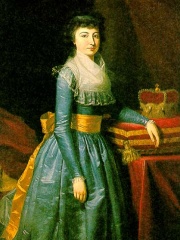
Archduchess Maria Leopoldine of Austria-Este
1776 - 1848
HPI: 63.48
Rank: 7,689
Histiaeus
550 BC - 493 BC
HPI: 63.48
Rank: 7,690

Olof Björnsson
950 - 975
HPI: 63.48
Rank: 7,691
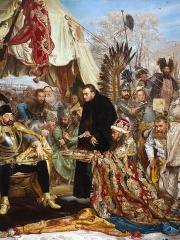
Antonio Possevino
1533 - 1611
HPI: 63.48
Rank: 7,692
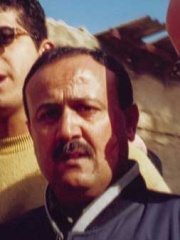
Marwan Barghouti
1959 - Present
HPI: 63.47
Rank: 7,693

Contemporaries
Among people born in 550 BC, Histiaeus ranks 20. Before him are Kapila, Arsames, Fuchai, Ariston of Sparta, Appius Claudius Crassus, and Hydarnes II. After him are Uppalavanna, Rhodopis, Khema, Helü of Wu, Pasenadi, and Nitocris of Babylon. Among people deceased in 493 BC, Histiaeus ranks 3. Before him are Artaphernes, and Agrippa Menenius Lanatus.
Others Born in 550 BC
Go to all Rankings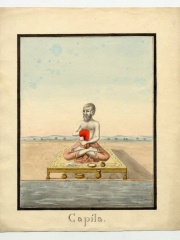
Kapila
PHILOSOPHER
550 BC - 500 BC
HPI: 66.48
Rank: 14
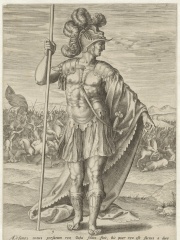
Arsames
POLITICIAN
550 BC - 600 BC
HPI: 64.82
Rank: 15
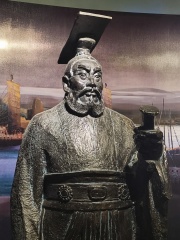
Fuchai
POLITICIAN
550 BC - 473 BC
HPI: 64.54
Rank: 16

Ariston of Sparta
POLITICIAN
550 BC - 510 BC
HPI: 63.95
Rank: 17
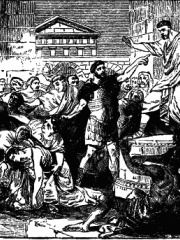
Appius Claudius Crassus
POLITICIAN
550 BC - 449 BC
HPI: 63.87
Rank: 18

Hydarnes II
MILITARY PERSONNEL
550 BC - Present
HPI: 63.58
Rank: 19
Histiaeus
POLITICIAN
550 BC - 493 BC
HPI: 63.48
Rank: 20
Uppalavanna
RELIGIOUS FIGURE
550 BC - Present
HPI: 63.17
Rank: 21

Rhodopis
COMPANION
550 BC - 600 BC
HPI: 63.11
Rank: 22

Khema
POLITICIAN
550 BC - Present
HPI: 62.73
Rank: 23
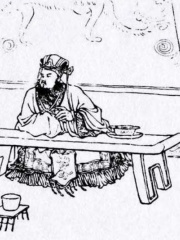
Helü of Wu
POLITICIAN
550 BC - 496 BC
HPI: 62.70
Rank: 24
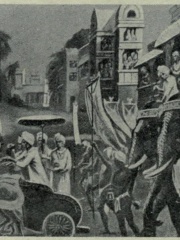
Pasenadi
POLITICIAN
550 BC - Present
HPI: 62.47
Rank: 25
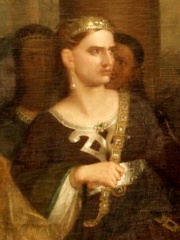
Nitocris of Babylon
NOBLEMAN
550 BC - 550 BC
HPI: 61.43
Rank: 26
Others Deceased in 493 BC
Go to all Rankings
Artaphernes
POLITICIAN
600 BC - 493 BC
HPI: 66.84
Rank: 1
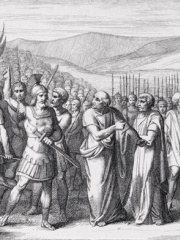
Agrippa Menenius Lanatus
POLITICIAN
600 BC - 493 BC
HPI: 65.43
Rank: 2
Histiaeus
POLITICIAN
550 BC - 493 BC
HPI: 63.48
Rank: 3
In トルコ
Among people born in トルコ, Histiaeus ranks 657 out of NaN. Before him are Artemidorus Ephesius (-150), Maximus V of Constantinople (1897), Kadi Burhan al-Din (1345), Annia Faustina (201), Şehzade Ahmet (1466), and Kemal Reis (1451). After him are Artakama (-350), Paisios of Mount Athos (1924), Alexander Polyhistor (-100), Rufinus (335), Andronikos III of Trebizond (1310), and Anaximenes of Lampsacus (-380).
Others born in トルコ
Go to all Rankings
Artemidorus Ephesius
GEOGRAPHER
150 BC - 100 BC
HPI: 63.57
Rank: 651

Maximus V of Constantinople
RELIGIOUS FIGURE
1897 - 1972
HPI: 63.55
Rank: 652

Kadi Burhan al-Din
RELIGIOUS FIGURE
1345 - 1398
HPI: 63.53
Rank: 653
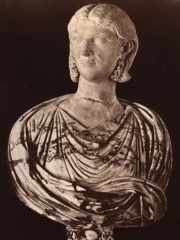
Annia Faustina
POLITICIAN
201 - 222
HPI: 63.53
Rank: 654
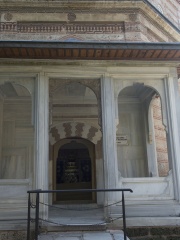
Şehzade Ahmet
POLITICIAN
1466 - 1513
HPI: 63.52
Rank: 655
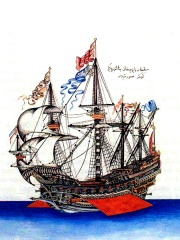
Kemal Reis
MILITARY PERSONNEL
1451 - 1511
HPI: 63.51
Rank: 656
Histiaeus
POLITICIAN
550 BC - 493 BC
HPI: 63.48
Rank: 657

Artakama
COMPANION
350 BC - 400 BC
HPI: 63.45
Rank: 658
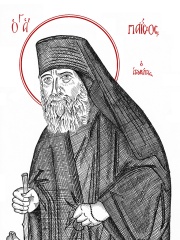
Paisios of Mount Athos
RELIGIOUS FIGURE
1924 - 1994
HPI: 63.43
Rank: 659

Alexander Polyhistor
WRITER
100 BC - 75 BC
HPI: 63.42
Rank: 660

Rufinus
POLITICIAN
335 - 395
HPI: 63.38
Rank: 661
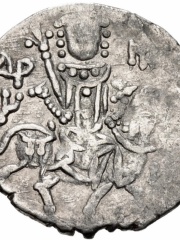
Andronikos III of Trebizond
POLITICIAN
1310 - 1332
HPI: 63.34
Rank: 662

Anaximenes of Lampsacus
POLITICIAN
380 BC - 320 BC
HPI: 63.34
Rank: 663
Among 政治家 In トルコ
Among 政治家 born in トルコ, Histiaeus ranks 328. Before him are Alexios II of Trebizond (1282), Nikos Zachariadis (1903), Prusias II of Bithynia (-300), Hussein Dey (1773), Annia Faustina (201), and Şehzade Ahmet (1466). After him are Rufinus (335), Andronikos III of Trebizond (1310), Anaximenes of Lampsacus (-380), Archelaus of Cappadocia (-50), Georgios Tsitas (1872), and Pythodorida of Pontus (-30).
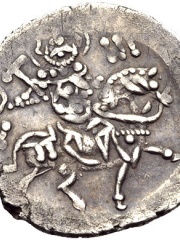
Alexios II of Trebizond
1282 - 1330
HPI: 63.89
Rank: 322
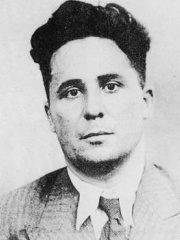
Nikos Zachariadis
1903 - 1973
HPI: 63.81
Rank: 323
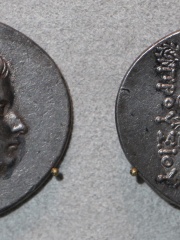
Prusias II of Bithynia
300 BC - 149 BC
HPI: 63.67
Rank: 324
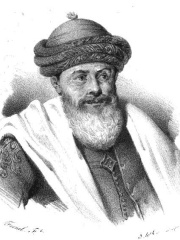
Hussein Dey
1773 - 1838
HPI: 63.60
Rank: 325
Annia Faustina
201 - 222
HPI: 63.53
Rank: 326
Şehzade Ahmet
1466 - 1513
HPI: 63.52
Rank: 327
Histiaeus
550 BC - 493 BC
HPI: 63.48
Rank: 328
Rufinus
335 - 395
HPI: 63.38
Rank: 329
Andronikos III of Trebizond
1310 - 1332
HPI: 63.34
Rank: 330
Anaximenes of Lampsacus
380 BC - 320 BC
HPI: 63.34
Rank: 331
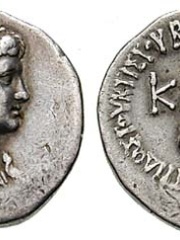
Archelaus of Cappadocia
50 BC - 17
HPI: 63.32
Rank: 332
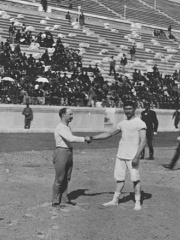
Georgios Tsitas
1872 - 1940
HPI: 63.28
Rank: 333

Pythodorida of Pontus
30 BC - 38
HPI: 63.27
Rank: 334