政治家
Chris Hani
1942 - 1993
 Chris Hani
Memorability Metrics
Page views of Chris Hani by language
Among 政治家
Among 政治家, Chris Hani ranks 7,955 out of 19,576. Before him are Moritz, Landgrave of Hesse, Arduin of Ivrea, Henry III, Duke of Brabant, Bogud, Gaius Vibius Pansa Caetronianus, and Gotarzes I. After him are Il-Arslan, Tommy Burns, Kang Sheng, Hermann Kövess von Kövessháza, Giuseppe Motta, and Rached Ghannouchi.
Most Popular 政治家 in Wikipedia
Go to all Rankings

Moritz, Landgrave of Hesse
1926 - 2013
HPI: 63.24
Rank: 7,952

Arduin of Ivrea
955 - 1015
HPI: 63.24
Rank: 7,953
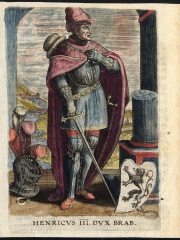
Henry III, Duke of Brabant
1231 - 1261
HPI: 63.24
Rank: 7,954
Bogud
50 BC - 31 BC
HPI: 63.24
Rank: 7,955

Gaius Vibius Pansa Caetronianus
91 BC - 43 BC
HPI: 63.24
Rank: 7,956
Gotarzes I
200 BC - 90 BC
HPI: 63.24
Rank: 7,957
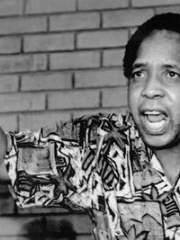
Chris Hani
1942 - 1993
HPI: 63.23
Rank: 7,958
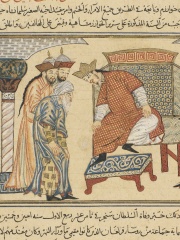
Il-Arslan
1150 - 1172
HPI: 63.23
Rank: 7,959
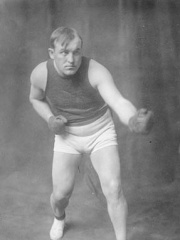
Tommy Burns
1881 - 1955
HPI: 63.23
Rank: 7,960
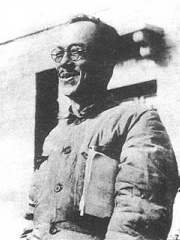
Kang Sheng
1898 - 1975
HPI: 63.23
Rank: 7,961
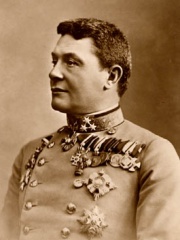
Hermann Kövess von Kövessháza
1854 - 1924
HPI: 63.23
Rank: 7,962
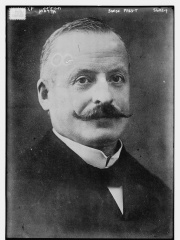
Giuseppe Motta
1871 - 1940
HPI: 63.23
Rank: 7,963
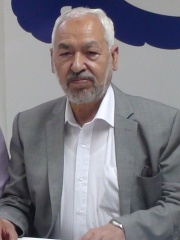
Rached Ghannouchi
1941 - Present
HPI: 63.23
Rank: 7,964

Contemporaries
Among people born in 1942, Chris Hani ranks 193. Before him are Gianfranco Ravasi, Jozef Adamec, Ann Dunham, Don S. Davis, Walter Lini, and Janusz Korwin-Mikke. After him are Kang Kek Iew, Jim Rogers, Tony Sirico, Nguyễn Minh Triết, Pierre Clémenti, and Valeriy Brumel. Among people deceased in 1993, Chris Hani ranks 74. Before him are Hervé Villechaize, Thomas Watson Jr., Jimmy Doolittle, Pierre Bérégovoy, René Pleven, and Myrna Loy. After him are Desanka Maksimović, Maurice Yaméogo, Ishirō Honda, Leon Ames, Dinmukhamed Kunaev, and John Connally.
Others Born in 1942
Go to all Rankings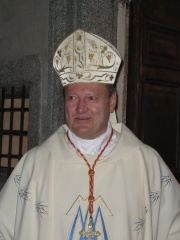
Gianfranco Ravasi
RELIGIOUS FIGURE
1942 - Present
HPI: 63.53
Rank: 187
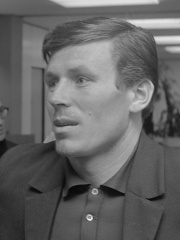
Jozef Adamec
COACH
1942 - 2018
HPI: 63.51
Rank: 188
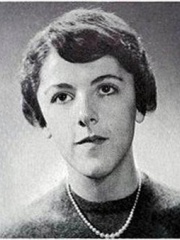
Ann Dunham
ANTHROPOLOGIST
1942 - 1995
HPI: 63.41
Rank: 189
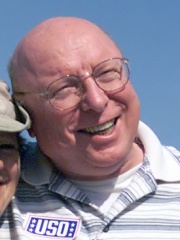
Don S. Davis
ACTOR
1942 - 2008
HPI: 63.38
Rank: 190
Walter Lini
POLITICIAN
1942 - 1999
HPI: 63.34
Rank: 191
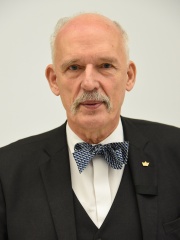
Janusz Korwin-Mikke
POLITICIAN
1942 - Present
HPI: 63.27
Rank: 192
Chris Hani
POLITICIAN
1942 - 1993
HPI: 63.23
Rank: 193
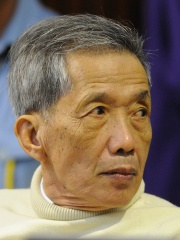
Kang Kek Iew
EXTREMIST
1942 - 2020
HPI: 63.17
Rank: 194
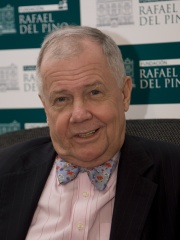
Jim Rogers
ECONOMIST
1942 - Present
HPI: 63.16
Rank: 195
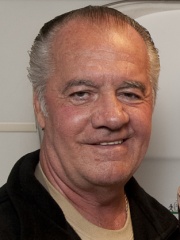
Tony Sirico
ACTOR
1942 - 2022
HPI: 63.14
Rank: 196

Nguyễn Minh Triết
POLITICIAN
1942 - Present
HPI: 62.97
Rank: 197

Pierre Clémenti
ACTOR
1942 - 1999
HPI: 62.90
Rank: 198
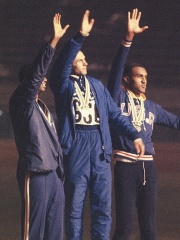
Valeriy Brumel
ATHLETE
1942 - 2003
HPI: 62.89
Rank: 199
Others Deceased in 1993
Go to all Rankings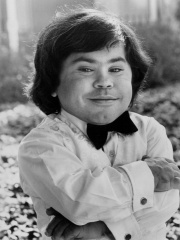
Hervé Villechaize
ACTOR
1943 - 1993
HPI: 63.64
Rank: 68
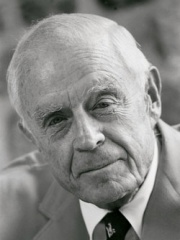
Thomas Watson Jr.
POLITICIAN
1914 - 1993
HPI: 63.63
Rank: 69
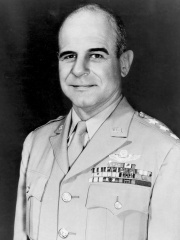
Jimmy Doolittle
ENGINEER
1896 - 1993
HPI: 63.61
Rank: 70
Pierre Bérégovoy
POLITICIAN
1925 - 1993
HPI: 63.46
Rank: 71
René Pleven
POLITICIAN
1901 - 1993
HPI: 63.40
Rank: 72

Myrna Loy
ACTOR
1905 - 1993
HPI: 63.28
Rank: 73
Chris Hani
POLITICIAN
1942 - 1993
HPI: 63.23
Rank: 74
Desanka Maksimović
WRITER
1898 - 1993
HPI: 63.18
Rank: 75
Maurice Yaméogo
POLITICIAN
1921 - 1993
HPI: 63.10
Rank: 76
Ishirō Honda
FILM DIRECTOR
1911 - 1993
HPI: 63.07
Rank: 77
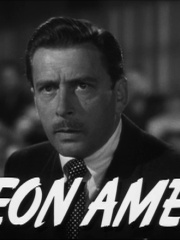
Leon Ames
ACTOR
1902 - 1993
HPI: 63.06
Rank: 78
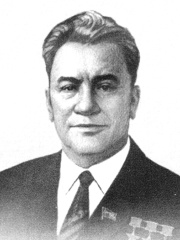
Dinmukhamed Kunaev
POLITICIAN
1912 - 1993
HPI: 62.99
Rank: 79
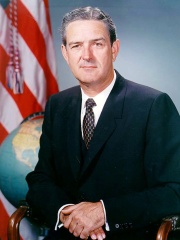
John Connally
POLITICIAN
1917 - 1993
HPI: 62.94
Rank: 80
In 南アフリカ
Among people born in 南アフリカ, Chris Hani ranks 54 out of NaN. Before him are Basil Rathbone (1892), Tom Naudé (1889), Louis Raymond (1895), Arnold Vosloo (1962), Rudolph Lewis (1887), and Sid Atkinson (1901). After him are Kevin Carter (1960), Rory Byrne (1944), Jan de Klerk (1903), Marais Viljoen (1915), Louis Botha (1862), and Esther Brand (1922).
Others born in 南アフリカ
Go to all Rankings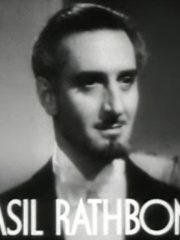
Basil Rathbone
ACTOR
1892 - 1967
HPI: 64.21
Rank: 48
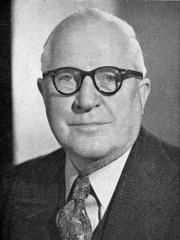
Tom Naudé
POLITICIAN
1889 - 1969
HPI: 64.03
Rank: 49
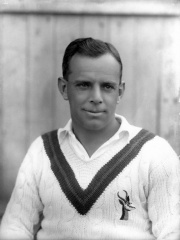
Louis Raymond
TENNIS PLAYER
1895 - 1962
HPI: 63.75
Rank: 50

Arnold Vosloo
ACTOR
1962 - Present
HPI: 63.63
Rank: 51
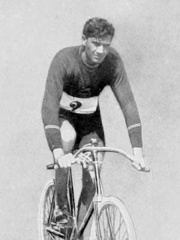
Rudolph Lewis
CYCLIST
1887 - 1933
HPI: 63.26
Rank: 52
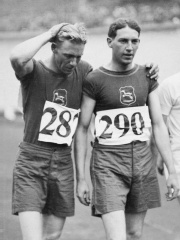
Sid Atkinson
ATHLETE
1901 - 1977
HPI: 63.24
Rank: 53
Chris Hani
POLITICIAN
1942 - 1993
HPI: 63.23
Rank: 54
Kevin Carter
JOURNALIST
1960 - 1994
HPI: 62.58
Rank: 55
Rory Byrne
ENGINEER
1944 - Present
HPI: 62.49
Rank: 56
Jan de Klerk
POLITICIAN
1903 - 1979
HPI: 62.44
Rank: 57
Marais Viljoen
POLITICIAN
1915 - 2007
HPI: 62.33
Rank: 58
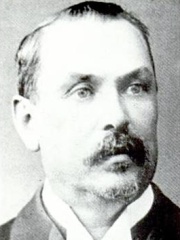
Louis Botha
POLITICIAN
1862 - 1919
HPI: 62.25
Rank: 59
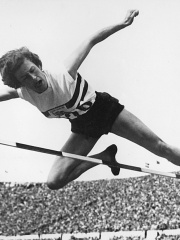
Esther Brand
ATHLETE
1922 - 2015
HPI: 62.11
Rank: 60
Among 政治家 In 南アフリカ
Among 政治家 born in 南アフリカ, Chris Hani ranks 23. Before him are Jan Smuts (1870), Kgalema Motlanthe (1949), Abba Eban (1915), Nico Diederichs (1903), Eben Dönges (1898), and Tom Naudé (1889). After him are Jan de Klerk (1903), Marais Viljoen (1915), Louis Botha (1862), Andries Pretorius (1798), Dinuzulu kaCetshwayo (1868), and Goodwill Zwelithini (1948).
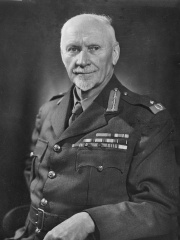
Jan Smuts
1870 - 1950
HPI: 65.53
Rank: 17
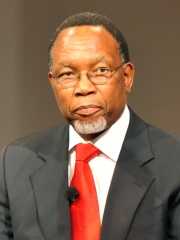
Kgalema Motlanthe
1949 - Present
HPI: 65.25
Rank: 18
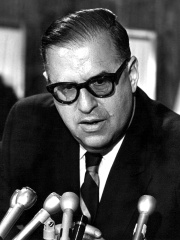
Abba Eban
1915 - 2002
HPI: 65.10
Rank: 19
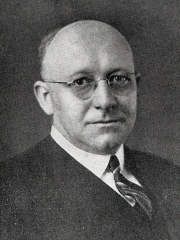
Nico Diederichs
1903 - 1978
HPI: 64.40
Rank: 20
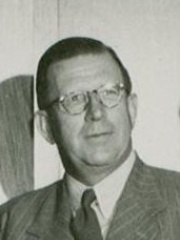
Eben Dönges
1898 - 1968
HPI: 64.38
Rank: 21
Tom Naudé
1889 - 1969
HPI: 64.03
Rank: 22
Chris Hani
1942 - 1993
HPI: 63.23
Rank: 23
Jan de Klerk
1903 - 1979
HPI: 62.44
Rank: 24
Marais Viljoen
1915 - 2007
HPI: 62.33
Rank: 25
Louis Botha
1862 - 1919
HPI: 62.25
Rank: 26
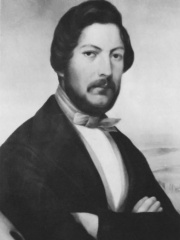
Andries Pretorius
1798 - 1853
HPI: 62.04
Rank: 27
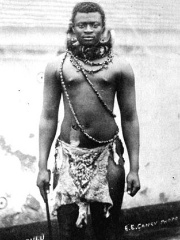
Dinuzulu kaCetshwayo
1868 - 1913
HPI: 61.49
Rank: 28
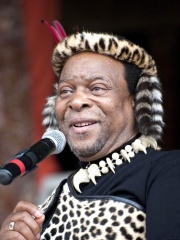
Goodwill Zwelithini
1948 - 2021
HPI: 60.80
Rank: 29