Politico
Vima Takto
100 - presente
IT.WIKIPEDIA PAGE VIEWS (PV)
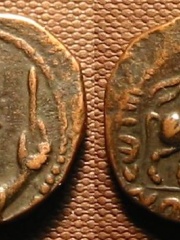
 Vima Takto
La sua biografia è disponibile in 19 lingue su Wikipedia (in aumento rispetto a 17 nel 2024). Vima Takto è il 14069° politico più popolare (in calo dal 13227° nel 2024), la 115ª biografia più popolare dell'Afghanistan (in calo dal 103ª nel 2019) e il 80° politico più popolare dell'Afghanistan.
Memorability Metrics
Page views of Vima Takto by language
Among Politicos
Among politicos, Vima Takto ranks 14,069 out of 19,576. Before him are Song Renqiong, Melchor Múzquiz, Thomas Preljubović, Stefanos Dragoumis, Alexandros Koumoundouros, and Kikkia. After him are Tang Jiaxuan, Liu He, Julie Payette, Azzeddine Laraki, Gillis Bildt, and Sankhenre Sewadjtu.
Most Popular Politicos in Wikipedia
Go to all Rankings
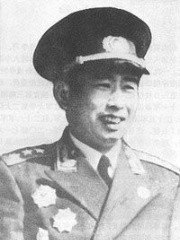
Song Renqiong
1909 - 2005
HPI: 57.06
Rank: 14,069
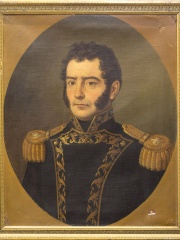
Melchor Múzquiz
1790 - 1844
HPI: 57.06
Rank: 14,070
Thomas Preljubović
1310 - 1384
HPI: 57.05
Rank: 14,071
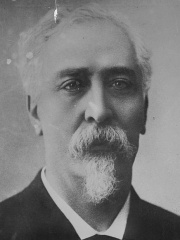
Stefanos Dragoumis
1842 - 1923
HPI: 57.05
Rank: 14,072
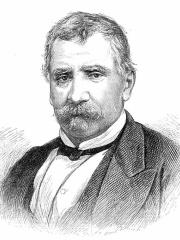
Alexandros Koumoundouros
1817 - 1883
HPI: 57.05
Rank: 14,073

Kikkia
2100 BC - 2100 BC
HPI: 57.05
Rank: 14,074
Vima Takto
100 - Present
HPI: 57.05
Rank: 14,075
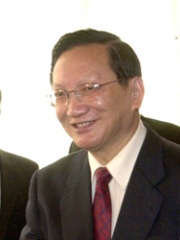
Tang Jiaxuan
1938 - Present
HPI: 57.05
Rank: 14,076

Liu He
1952 - Present
HPI: 57.05
Rank: 14,077

Julie Payette
1963 - Present
HPI: 57.05
Rank: 14,078
Azzeddine Laraki
1929 - 2010
HPI: 57.05
Rank: 14,079
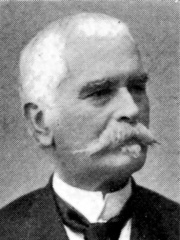
Gillis Bildt
1820 - 1894
HPI: 57.05
Rank: 14,080

Sankhenre Sewadjtu
1650 BC - 1700 BC
HPI: 57.05
Rank: 14,081

Contemporaries
Among people born in 100, Vima Takto ranks 89. Before him are Rufus of Ephesus, Sedecion of Byzantium, Terentius Maximus, Polycarpus II of Byzantium, John Mark, and Eleutherius of Byzantium. After him are Pope Primus of Alexandria, Pope Markianos of Alexandria, Pope Eumenes of Alexandria, Euzois of Byzantium, Pope Justus of Alexandria, and Laurence of Byzantium.
Others Born in 100
Go to all Rankings
Rufus of Ephesus
PHYSICIAN
100 - Present
HPI: 57.75
Rank: 83

Sedecion of Byzantium
RELIGIOUS FIGURE
100 - 114
HPI: 57.48
Rank: 84

Terentius Maximus
POLITICIAN
100 - 1
HPI: 57.43
Rank: 85

Polycarpus II of Byzantium
RELIGIOUS FIGURE
100 - 144
HPI: 57.35
Rank: 86

John Mark
RELIGIOUS FIGURE
100 - 140
HPI: 57.33
Rank: 87

Eleutherius of Byzantium
RELIGIOUS FIGURE
100 - 136
HPI: 57.09
Rank: 88
Vima Takto
POLITICIAN
100 - Present
HPI: 57.05
Rank: 89
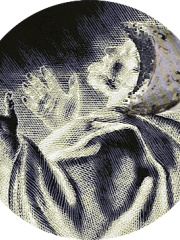
Pope Primus of Alexandria
RELIGIOUS FIGURE
100 - 121
HPI: 56.77
Rank: 90

Pope Markianos of Alexandria
RELIGIOUS FIGURE
100 - 154
HPI: 56.68
Rank: 91

Pope Eumenes of Alexandria
RELIGIOUS FIGURE
100 - 143
HPI: 56.57
Rank: 92

Euzois of Byzantium
RELIGIOUS FIGURE
100 - 154
HPI: 56.47
Rank: 93

Pope Justus of Alexandria
RELIGIOUS FIGURE
100 - 131
HPI: 56.24
Rank: 94

Laurence of Byzantium
RELIGIOUS FIGURE
100 - 166
HPI: 55.64
Rank: 95
In Afghanistan
Among people born in Afghanistan, Vima Takto ranks 115 out of NaN. Before him are Zalmay Khalilzad (1951), Zuhal Atmar (null), Sima Samar (1957), Kamran Mirza (1512), Amrullah Saleh (1972), and Karim Khalili (1950). After him are Heliocles I (-200), Amr ibn al-Layth (null), Sultan Ali Keshtmand (1935), Ali Shah Durrani (1800), Ayub Shah Durrani (1800), and Anahita Ratebzad (1931).
Others born in Afghanistan
Go to all Rankings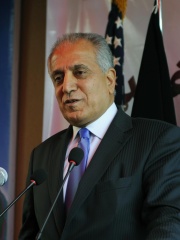
Zalmay Khalilzad
POLITICIAN
1951 - Present
HPI: 57.94
Rank: 109

Zuhal Atmar
BUSINESSPERSON
HPI: 57.56
Rank: 110
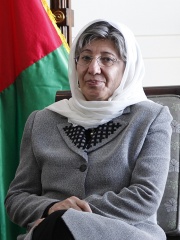
Sima Samar
POLITICIAN
1957 - Present
HPI: 57.21
Rank: 111
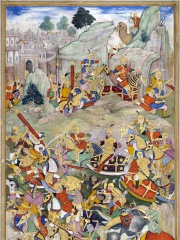
Kamran Mirza
POLITICIAN
1512 - 1557
HPI: 57.18
Rank: 112
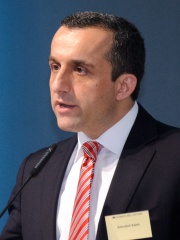
Amrullah Saleh
POLITICIAN
1972 - Present
HPI: 57.16
Rank: 113
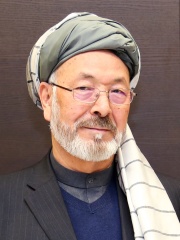
Karim Khalili
POLITICIAN
1950 - Present
HPI: 57.09
Rank: 114
Vima Takto
POLITICIAN
100 - Present
HPI: 57.05
Rank: 115
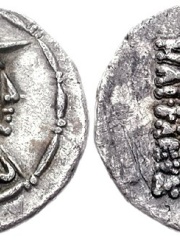
Heliocles I
POLITICIAN
200 BC - 200 BC
HPI: 56.85
Rank: 116
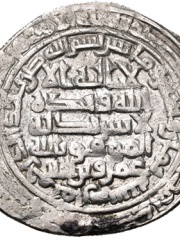
Amr ibn al-Layth
POLITICIAN
HPI: 56.80
Rank: 117

Sultan Ali Keshtmand
POLITICIAN
1935 - Present
HPI: 56.69
Rank: 118

Ali Shah Durrani
POLITICIAN
1800 - 1900
HPI: 56.33
Rank: 119
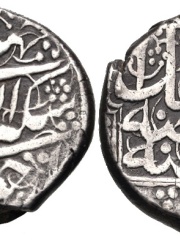
Ayub Shah Durrani
POLITICIAN
1800 - 1837
HPI: 56.02
Rank: 120
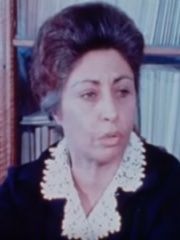
Anahita Ratebzad
POLITICIAN
1931 - 2014
HPI: 56.02
Rank: 121
Among Politicos In Afghanistan
Among politicos born in Afghanistan, Vima Takto ranks 80. Before him are Mohammad Afzal Khan (1811), Zalmay Khalilzad (1951), Sima Samar (1957), Kamran Mirza (1512), Amrullah Saleh (1972), and Karim Khalili (1950). After him are Heliocles I (-200), Amr ibn al-Layth (null), Sultan Ali Keshtmand (1935), Ali Shah Durrani (1800), Ayub Shah Durrani (1800), and Anahita Ratebzad (1931).
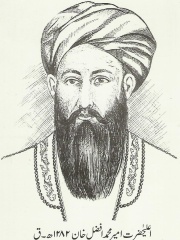
Mohammad Afzal Khan
1811 - 1867
HPI: 58.25
Rank: 74
Zalmay Khalilzad
1951 - Present
HPI: 57.94
Rank: 75
Sima Samar
1957 - Present
HPI: 57.21
Rank: 76
Kamran Mirza
1512 - 1557
HPI: 57.18
Rank: 77
Amrullah Saleh
1972 - Present
HPI: 57.16
Rank: 78
Karim Khalili
1950 - Present
HPI: 57.09
Rank: 79
Vima Takto
100 - Present
HPI: 57.05
Rank: 80
Heliocles I
200 BC - 200 BC
HPI: 56.85
Rank: 81
Amr ibn al-Layth
HPI: 56.80
Rank: 82
Sultan Ali Keshtmand
1935 - Present
HPI: 56.69
Rank: 83
Ali Shah Durrani
1800 - 1900
HPI: 56.33
Rank: 84
Ayub Shah Durrani
1800 - 1837
HPI: 56.02
Rank: 85
Anahita Ratebzad
1931 - 2014
HPI: 56.02
Rank: 86




