Politico
Prokopis Pavlopoulos
1950 - presente
IT.WIKIPEDIA PAGE VIEWS (PV)
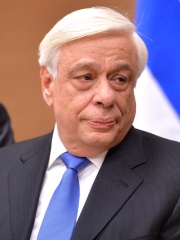
 Prokopis Pavlopoulos
La sua biografia è disponibile in 62 lingue su Wikipedia. Prokopis Pavlopoulos è il 3734° politico più popolare (in calo dal 3125° nel 2024), la 239ª biografia più popolare della Grecia (in calo dal 210ª nel 2019) e il 96° politico più popolare della Grecia.
Memorability Metrics
Page views of Prokopis Pavlopoulos by language
Among Politicos
Among politicos, Prokopis Pavlopoulos ranks 3,734 out of 19,576. Before him are Moncef Marzouki, Licinius II, Jacob Le Maire, George, King of Saxony, Empress Jitō, and Eric II of Denmark. After him are Hiero I of Syracuse, Nguyễn Văn Thiệu, Archduchess Maria Maddalena of Austria, Theodore II Palaiologos, Gaafar Nimeiry, and Rajaraja I.
Most Popular Politicos in Wikipedia
Go to all Rankings
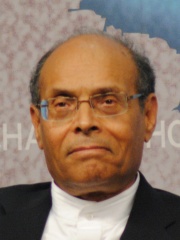
Moncef Marzouki
1945 - Present
HPI: 68.39
Rank: 3,730
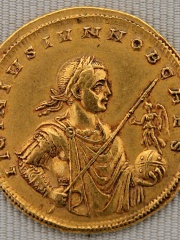
Licinius II
315 - 326
HPI: 68.39
Rank: 3,731
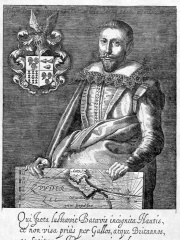
Jacob Le Maire
1585 - 1616
HPI: 68.39
Rank: 3,732
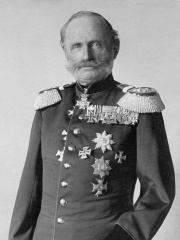
George, King of Saxony
1832 - 1904
HPI: 68.39
Rank: 3,733

Empress Jitō
645 - 703
HPI: 68.39
Rank: 3,734
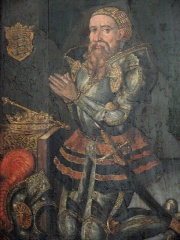
Eric II of Denmark
1090 - 1137
HPI: 68.39
Rank: 3,735
Prokopis Pavlopoulos
1950 - Present
HPI: 68.38
Rank: 3,736
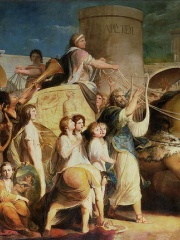
Hiero I of Syracuse
600 BC - 466 BC
HPI: 68.38
Rank: 3,737
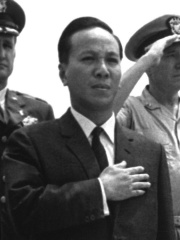
Nguyễn Văn Thiệu
1923 - 2001
HPI: 68.38
Rank: 3,738
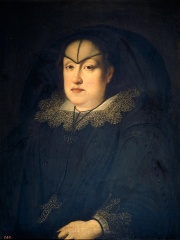
Archduchess Maria Maddalena of Austria
1589 - 1631
HPI: 68.38
Rank: 3,739
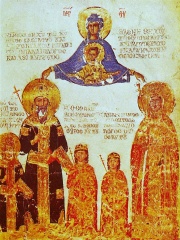
Theodore II Palaiologos
1396 - 1448
HPI: 68.38
Rank: 3,740
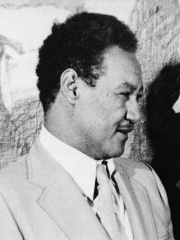
Gaafar Nimeiry
1930 - 2009
HPI: 68.38
Rank: 3,741
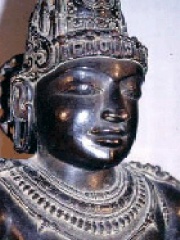
Rajaraja I
947 - 1014
HPI: 68.37
Rank: 3,742

Contemporaries
Among people born in 1950, Prokopis Pavlopoulos ranks 49. Before him are Laura Gemser, Morgan Fairchild, Nouri al-Maliki, Grzegorz Lato, Jody Scheckter, and William Barr. After him are John F. Kelly, Ma Ying-jeou, Cybill Shepherd, Timothy M. Dolan, Marianne Bachmeier, and Chantal Akerman.
Others Born in 1950
Go to all Rankings
Laura Gemser
ACTOR
1950 - Present
HPI: 68.56
Rank: 43
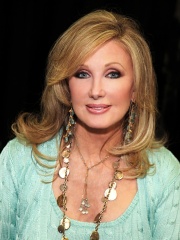
Morgan Fairchild
ACTOR
1950 - Present
HPI: 68.49
Rank: 44
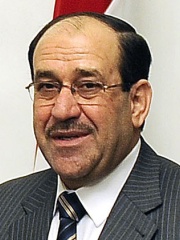
Nouri al-Maliki
POLITICIAN
1950 - Present
HPI: 68.49
Rank: 45
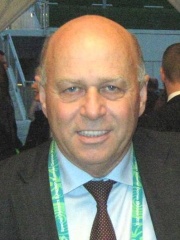
Grzegorz Lato
SOCCER PLAYER
1950 - Present
HPI: 68.48
Rank: 46

Jody Scheckter
RACING DRIVER
1950 - Present
HPI: 68.46
Rank: 47
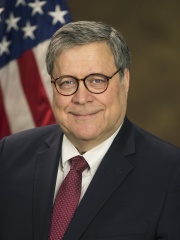
William Barr
POLITICIAN
1950 - Present
HPI: 68.41
Rank: 48
Prokopis Pavlopoulos
POLITICIAN
1950 - Present
HPI: 68.38
Rank: 49
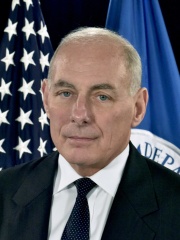
John F. Kelly
POLITICIAN
1950 - Present
HPI: 68.31
Rank: 50
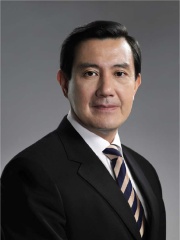
Ma Ying-jeou
POLITICIAN
1950 - Present
HPI: 68.28
Rank: 51
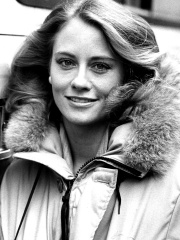
Cybill Shepherd
ACTOR
1950 - Present
HPI: 68.28
Rank: 52
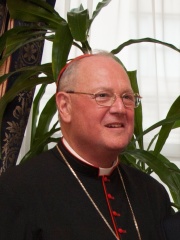
Timothy M. Dolan
RELIGIOUS FIGURE
1950 - Present
HPI: 68.12
Rank: 53
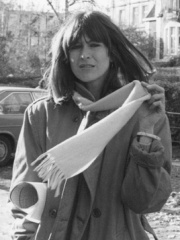
Marianne Bachmeier
SOCIAL ACTIVIST
1950 - 1996
HPI: 67.91
Rank: 54
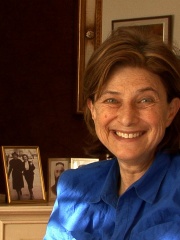
Chantal Akerman
FILM DIRECTOR
1950 - 2015
HPI: 67.78
Rank: 55
In Grecia
Among people born in Grecia, Prokopis Pavlopoulos ranks 239 out of NaN. Before him are Cecrops I (null), Cleomenes III (-260), William of Villehardouin (1300), Archelaus (-500), Agnodice (-400), and Memnon of Rhodes (-380). After him are Mnesikles (-500), Antiochus VIII Grypus (-141), Costas Simitis (1936), Xanthippus of Carthage (-300), Plutarch of Athens (350), and Helen of Greece and Denmark (1896).
Others born in Grecia
Go to all Rankings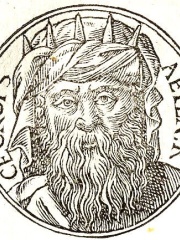
Cecrops I
POLITICIAN
HPI: 68.44
Rank: 233
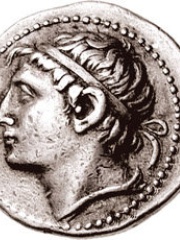
Cleomenes III
POLITICIAN
260 BC - 219 BC
HPI: 68.43
Rank: 234
William of Villehardouin
POLITICIAN
1300 - 1278
HPI: 68.42
Rank: 235
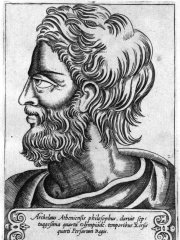
Archelaus
PHILOSOPHER
500 BC - 430 BC
HPI: 68.42
Rank: 236
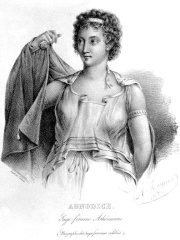
Agnodice
PHYSICIAN
400 BC - 360 BC
HPI: 68.41
Rank: 237
Memnon of Rhodes
NOBLEMAN
380 BC - 333 BC
HPI: 68.39
Rank: 238
Prokopis Pavlopoulos
POLITICIAN
1950 - Present
HPI: 68.38
Rank: 239

Mnesikles
ARCHITECT
500 BC - 460 BC
HPI: 68.38
Rank: 240
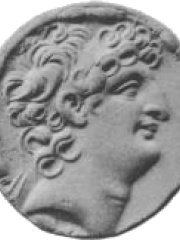
Antiochus VIII Grypus
POLITICIAN
141 BC - 96 BC
HPI: 68.34
Rank: 241

Costas Simitis
POLITICIAN
1936 - 2025
HPI: 68.23
Rank: 242

Xanthippus of Carthage
MILITARY PERSONNEL
300 BC - 300 BC
HPI: 68.20
Rank: 243
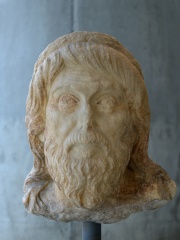
Plutarch of Athens
PHILOSOPHER
350 - 431
HPI: 68.19
Rank: 244
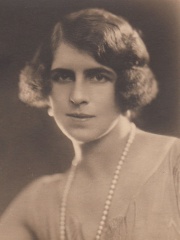
Helen of Greece and Denmark
COMPANION
1896 - 1982
HPI: 68.16
Rank: 245
Among Politicos In Grecia
Among politicos born in Grecia, Prokopis Pavlopoulos ranks 96. Before him are Agis IV (-265), Gotse Delchev (1872), Aglaonice (null), Cecrops I (null), Cleomenes III (-260), and William of Villehardouin (1300). After him are Antiochus VIII Grypus (-141), Costas Simitis (1936), Calchas (null), Demaratus (-600), Prince Nicholas of Greece and Denmark (1872), and Prince George of Greece and Denmark (1869).
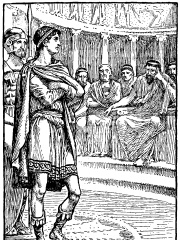
Agis IV
265 BC - 241 BC
HPI: 68.51
Rank: 90
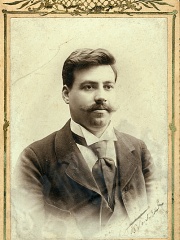
Gotse Delchev
1872 - 1903
HPI: 68.48
Rank: 91

Aglaonice
HPI: 68.46
Rank: 92
Cecrops I
HPI: 68.44
Rank: 93
Cleomenes III
260 BC - 219 BC
HPI: 68.43
Rank: 94
William of Villehardouin
1300 - 1278
HPI: 68.42
Rank: 95
Prokopis Pavlopoulos
1950 - Present
HPI: 68.38
Rank: 96
Antiochus VIII Grypus
141 BC - 96 BC
HPI: 68.34
Rank: 97
Costas Simitis
1936 - 2025
HPI: 68.23
Rank: 98
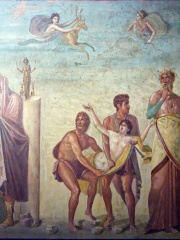
Calchas
HPI: 68.10
Rank: 99

Demaratus
600 BC - 500 BC
HPI: 67.99
Rank: 100
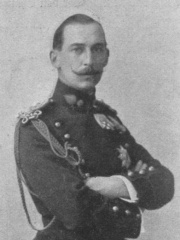
Prince Nicholas of Greece and Denmark
1872 - 1938
HPI: 67.97
Rank: 101
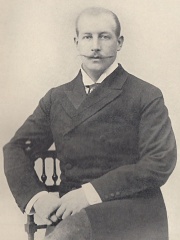
Prince George of Greece and Denmark
1869 - 1957
HPI: 67.94
Rank: 102