Politico
Gulbuddin Hekmatyar
1949 - presente
IT.WIKIPEDIA PAGE VIEWS (PV)
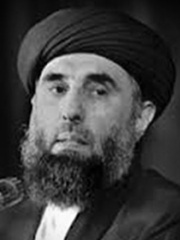

 Gulbuddin Hekmatyar
La sua biografia è disponibile in 38 lingue su Wikipedia (in aumento rispetto a 36 nel 2024). Gulbuddin Hekmatyar è il 1911° politico più popolare (in aumento dal 7083° nel 2024), la 25ª biografia più popolare dell'Afghanistan (in aumento dal 58ª nel 2019) e il 19° politico più popolare dell'Afghanistan.
Memorability Metrics
Page views of Gulbuddin Hekmatyar by language
Among Politicos
Among politicos, Gulbuddin Hekmatyar ranks 1,911 out of 19,576. Before him are Koxinga, Suleyman Shah, Llywelyn the Great, Avitus, Jahanara Begum, and Frederick III, Elector of Saxony. After him are Ioannis Metaxas, Simon Thassi, Roman Herzog, Denis Sassou Nguesso, Bonne of Luxembourg, and Oruç Reis.
Most Popular Politicos in Wikipedia
Go to all Rankings
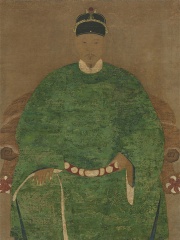
Koxinga
1624 - 1662
HPI: 72.46
Rank: 1,906
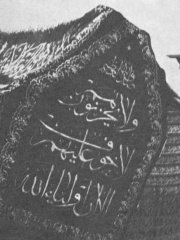
Suleyman Shah
1178 - 1236
HPI: 72.46
Rank: 1,907
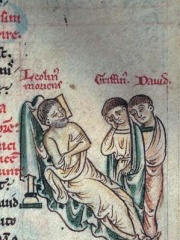
Llywelyn the Great
1173 - 1240
HPI: 72.46
Rank: 1,908
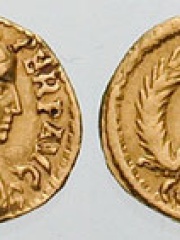
Avitus
395 - 457
HPI: 72.45
Rank: 1,909
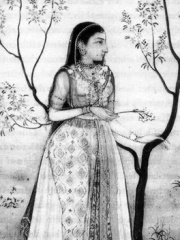
Jahanara Begum
1614 - 1681
HPI: 72.45
Rank: 1,910
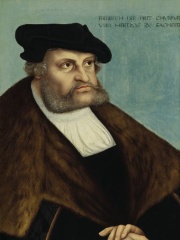
Frederick III, Elector of Saxony
1463 - 1525
HPI: 72.44
Rank: 1,911
Gulbuddin Hekmatyar
1949 - Present
HPI: 72.44
Rank: 1,912
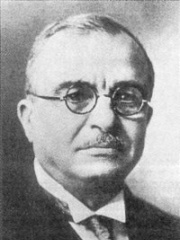
Ioannis Metaxas
1871 - 1941
HPI: 72.44
Rank: 1,913
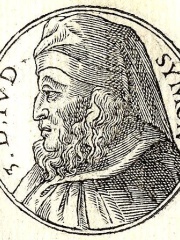
Simon Thassi
200 BC - 135 BC
HPI: 72.44
Rank: 1,914
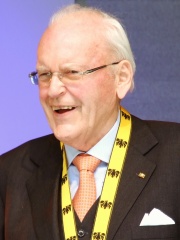
Roman Herzog
1934 - 2017
HPI: 72.43
Rank: 1,915
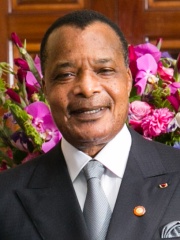
Denis Sassou Nguesso
1943 - Present
HPI: 72.43
Rank: 1,916
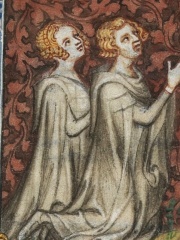
Bonne of Luxembourg
1315 - 1349
HPI: 72.43
Rank: 1,917
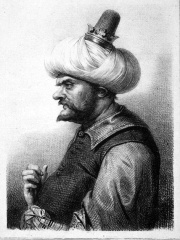
Oruç Reis
1473 - 1518
HPI: 72.43
Rank: 1,918

Contemporaries
Among people born in 1949, Gulbuddin Hekmatyar ranks 41. Before him are Han Duck-soo, Alla Pugacheva, Thomas Sankara, Arif Alvi, George Foreman, and Bobby Farrell. After him are Carlos the Jackal, Michael Houghton, Hugh David Politzer, Horst Ludwig Störmer, Patrick Süskind, and Amin Maalouf.
Others Born in 1949
Go to all Rankings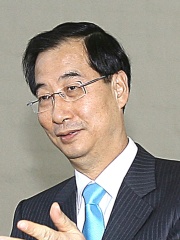
Han Duck-soo
POLITICIAN
1949 - Present
HPI: 73.11
Rank: 35
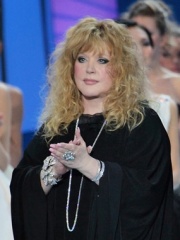
Alla Pugacheva
SINGER
1949 - Present
HPI: 73.11
Rank: 36
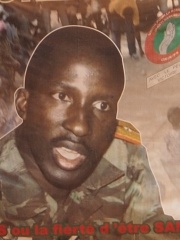
Thomas Sankara
POLITICIAN
1949 - 1987
HPI: 73.06
Rank: 37
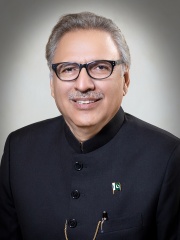
Arif Alvi
POLITICIAN
1949 - Present
HPI: 73.02
Rank: 38
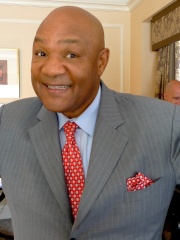
George Foreman
BOXER
1949 - 2025
HPI: 72.73
Rank: 39

Bobby Farrell
DANCER
1949 - 2010
HPI: 72.73
Rank: 40
Gulbuddin Hekmatyar
POLITICIAN
1949 - Present
HPI: 72.44
Rank: 41
Carlos the Jackal
EXTREMIST
1949 - Present
HPI: 72.19
Rank: 42
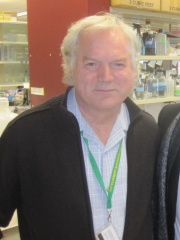
Michael Houghton
BIOLOGIST
1949 - Present
HPI: 72.03
Rank: 43

Hugh David Politzer
PHYSICIST
1949 - Present
HPI: 71.88
Rank: 44
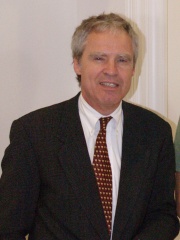
Horst Ludwig Störmer
PHYSICIST
1949 - Present
HPI: 71.83
Rank: 45

Patrick Süskind
WRITER
1949 - Present
HPI: 71.79
Rank: 46
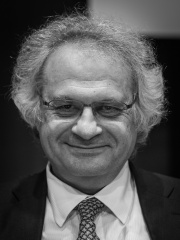
Amin Maalouf
WRITER
1949 - Present
HPI: 71.50
Rank: 47
In Afghanistan
Among people born in Afghanistan, Gulbuddin Hekmatyar ranks 25 out of NaN. Before him are Mohammed Omar (1962), Ali-Shir Nava'i (1441), Muhammad Shah (1702), Jamāl al-Dīn al-Afghānī (1837), Babrak Karmal (1929), and Hibatullah Akhundzada (1961). After him are Hafizullah Amin (1929), Humayun (1508), Moinuddin Chishti (1142), Abu Maʿshar (787), Kamāl ud-Dīn Behzād (1450), and Nur Muhammad Taraki (1917).
Others born in Afghanistan
Go to all Rankings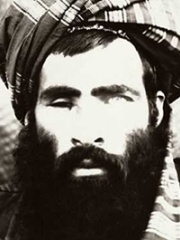
Mohammed Omar
POLITICIAN
1962 - 2013
HPI: 74.34
Rank: 19
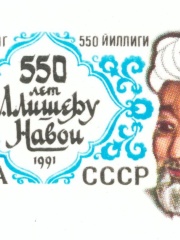
Ali-Shir Nava'i
WRITER
1441 - 1501
HPI: 74.31
Rank: 20
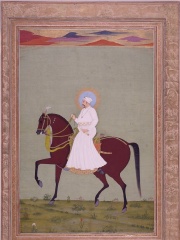
Muhammad Shah
POLITICIAN
1702 - 1748
HPI: 73.88
Rank: 21
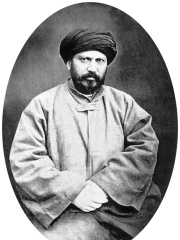
Jamāl al-Dīn al-Afghānī
SOCIAL ACTIVIST
1837 - 1897
HPI: 73.56
Rank: 22
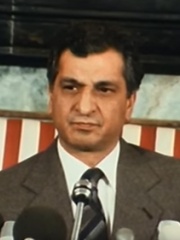
Babrak Karmal
POLITICIAN
1929 - 1996
HPI: 73.45
Rank: 23
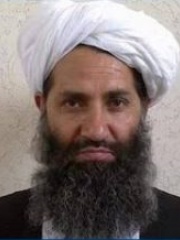
Hibatullah Akhundzada
POLITICIAN
1961 - Present
HPI: 72.74
Rank: 24
Gulbuddin Hekmatyar
POLITICIAN
1949 - Present
HPI: 72.44
Rank: 25
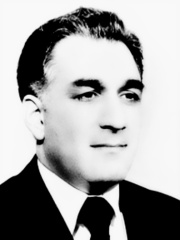
Hafizullah Amin
POLITICIAN
1929 - 1979
HPI: 72.24
Rank: 26
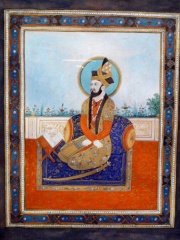
Humayun
POLITICIAN
1508 - 1556
HPI: 71.78
Rank: 27
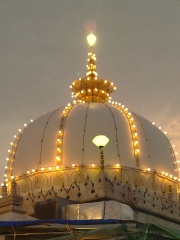
Moinuddin Chishti
POLITICIAN
1142 - 1236
HPI: 71.48
Rank: 28
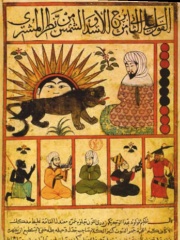
Abu Maʿshar
ASTRONOMER
787 - 886
HPI: 71.24
Rank: 29
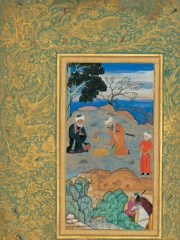
Kamāl ud-Dīn Behzād
PAINTER
1450 - 1535
HPI: 70.60
Rank: 30
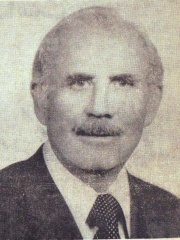
Nur Muhammad Taraki
POLITICIAN
1917 - 1979
HPI: 70.41
Rank: 31
Among Politicos In Afghanistan
Among politicos born in Afghanistan, Gulbuddin Hekmatyar ranks 19. Before him are Dost Mohammad Khan (1793), Muhammad of Ghor (1160), Mohammed Omar (1962), Muhammad Shah (1702), Babrak Karmal (1929), and Hibatullah Akhundzada (1961). After him are Hafizullah Amin (1929), Humayun (1508), Moinuddin Chishti (1142), Nur Muhammad Taraki (1917), Abdur Rahman Khan (1844), and Sultan Husayn Bayqara (1438).
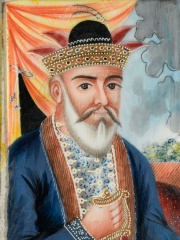
Dost Mohammad Khan
1793 - 1863
HPI: 74.95
Rank: 13
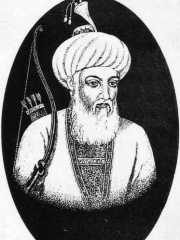
Muhammad of Ghor
1160 - 1206
HPI: 74.64
Rank: 14
Mohammed Omar
1962 - 2013
HPI: 74.34
Rank: 15
Muhammad Shah
1702 - 1748
HPI: 73.88
Rank: 16
Babrak Karmal
1929 - 1996
HPI: 73.45
Rank: 17
Hibatullah Akhundzada
1961 - Present
HPI: 72.74
Rank: 18
Gulbuddin Hekmatyar
1949 - Present
HPI: 72.44
Rank: 19
Hafizullah Amin
1929 - 1979
HPI: 72.24
Rank: 20
Humayun
1508 - 1556
HPI: 71.78
Rank: 21
Moinuddin Chishti
1142 - 1236
HPI: 71.48
Rank: 22
Nur Muhammad Taraki
1917 - 1979
HPI: 70.41
Rank: 23
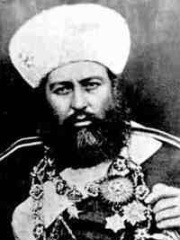
Abdur Rahman Khan
1844 - 1901
HPI: 68.04
Rank: 24
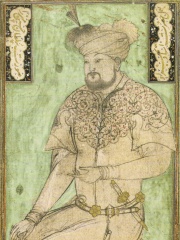
Sultan Husayn Bayqara
1438 - 1506
HPI: 67.89
Rank: 25




