Storico
Arrian
89 - 175
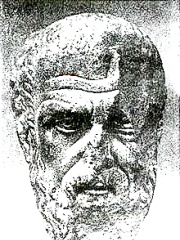
 Arrian
Lucio Flavio Arriano (in greco antico: Ἀρριανός?, Arrianós; latino: Lucius Flavius Arrianus; Nicomedia, 90 circa – Atene, 175 circa) è stato uno storico, politico e generale romano. Leggi di più su Wikipedia
His biography is available in 56 different languages on Wikipedia (up from 52 in 2024). Arrian is the 23rd most popular storico (up from 25th in 2024), the 153rd most popular biography from Türkiye (down from 144th in 2019) and the 4th most popular Turkish Storico.
Arrian is most famous for his work, "The Campaigns of Alexander," which is an account of the military conquests of Alexander the Great.
Memorability Metrics
Page views of Arrian by language
Among Storicos
Among storicos, Arrian ranks 23 out of 561. Before him are Mircea Eliade, Cassius Dio, Johann Joachim Winckelmann, Manetho, William of Tyre, and Leopold von Ranke. After him are Fernand Braudel, Joannes Zonaras, Arnold J. Toynbee, Bede, Johan Huizinga, and Ibn Kathir.
Most Popular Storicos in Wikipedia
Go to all Rankings

Mircea Eliade
1907 - 1986
HPI: 76.17
Rank: 17
Cassius Dio
155 - 235
HPI: 76.14
Rank: 18

Johann Joachim Winckelmann
1717 - 1768
HPI: 75.91
Rank: 19

Manetho
201 BC - 160 BC
HPI: 75.91
Rank: 20

William of Tyre
1130 - 1186
HPI: 75.84
Rank: 21
Leopold von Ranke
1795 - 1886
HPI: 75.51
Rank: 22
Arrian
89 - 175
HPI: 75.37
Rank: 23
Fernand Braudel
1902 - 1985
HPI: 75.13
Rank: 24
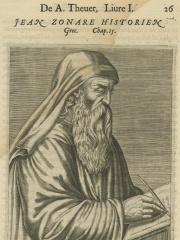
Joannes Zonaras
1074 - 1130
HPI: 74.97
Rank: 25
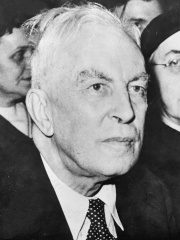
Arnold J. Toynbee
1889 - 1975
HPI: 74.78
Rank: 26

Bede
672 - 735
HPI: 74.70
Rank: 27
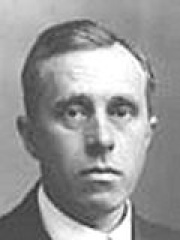
Johan Huizinga
1872 - 1945
HPI: 74.64
Rank: 28

Ibn Kathir
1301 - 1373
HPI: 74.60
Rank: 29

Contemporaries
Among people born in 89, Arrian ranks 1. After him is Sindae of Goguryeo. Among people deceased in 175, Arrian ranks 1. After him are Avidius Cassius, and Faustina the Younger.
Others Born in 89
Go to all Rankings
Others Deceased in 175
Go to all RankingsArrian
HISTORIAN
89 - 175
HPI: 75.37
Rank: 1

Avidius Cassius
NOBLEMAN
130 - 175
HPI: 71.59
Rank: 2
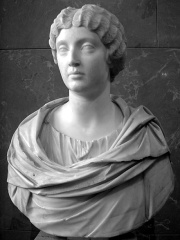
Faustina the Younger
POLITICIAN
125 - 175
HPI: 71.53
Rank: 3
In Türkiye
Among people born in Türkiye, Arrian ranks 153 out of 1,347. Before him are Apelles (-370), Saint Nino (296), Erasmus of Formia (300), Basil I (811), Attalus I (-269), and Constans II (630). After him are Pope Vitalian (600), Pope Sabinian (530), Nikephoros I (760), Pope John V (635), Constantine IX Monomachos (1000), and Şehzade Cihangir (1531).
Others born in Türkiye
Go to all Rankings
Apelles
PAINTER
370 BC - 306 BC
HPI: 75.64
Rank: 147

Saint Nino
RELIGIOUS FIGURE
296 - 335
HPI: 75.62
Rank: 148
Erasmus of Formia
RELIGIOUS FIGURE
300 - 303
HPI: 75.53
Rank: 149
Basil I
POLITICIAN
811 - 886
HPI: 75.53
Rank: 150
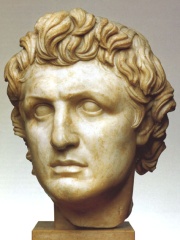
Attalus I
POLITICIAN
269 BC - 197 BC
HPI: 75.52
Rank: 151
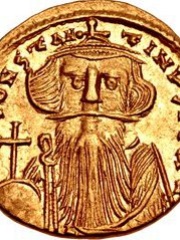
Constans II
POLITICIAN
630 - 668
HPI: 75.49
Rank: 152
Arrian
HISTORIAN
89 - 175
HPI: 75.37
Rank: 153
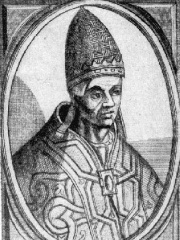
Pope Vitalian
RELIGIOUS FIGURE
600 - 672
HPI: 75.37
Rank: 154
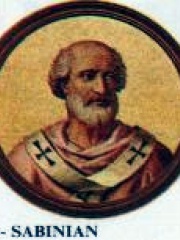
Pope Sabinian
RELIGIOUS FIGURE
530 - 606
HPI: 75.35
Rank: 155

Nikephoros I
POLITICIAN
760 - 811
HPI: 75.33
Rank: 156
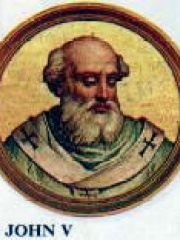
Pope John V
RELIGIOUS FIGURE
635 - 686
HPI: 75.30
Rank: 157
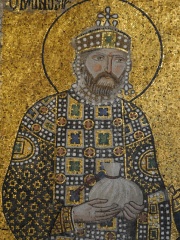
Constantine IX Monomachos
POLITICIAN
1000 - 1055
HPI: 75.24
Rank: 158

Şehzade Cihangir
POLITICIAN
1531 - 1553
HPI: 75.22
Rank: 159
Among Storicos In Türkiye
Among storicos born in Türkiye, Arrian ranks 4. Before him are Herodotus (-484), Hecataeus of Miletus (-550), and Cassius Dio (155). After him are Ali ibn al-Athir (1160), Socrates of Constantinople (380), Niketas Choniates (1155), Libanius (314), Ephorus (-400), Eutropius (320), George Kedrenos (1100), and Eunapius (349).
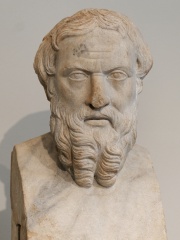
Herodotus
484 BC - 425 BC
HPI: 90.06
Rank: 1
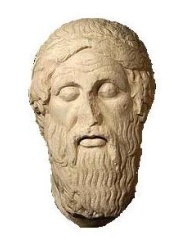
Hecataeus of Miletus
550 BC - 476 BC
HPI: 76.89
Rank: 2
Cassius Dio
155 - 235
HPI: 76.14
Rank: 3
Arrian
89 - 175
HPI: 75.37
Rank: 4

Ali ibn al-Athir
1160 - 1233
HPI: 72.68
Rank: 5

Socrates of Constantinople
380 - 440
HPI: 72.04
Rank: 6
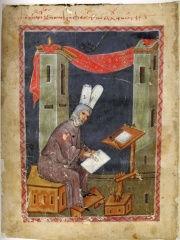
Niketas Choniates
1155 - 1217
HPI: 71.45
Rank: 7
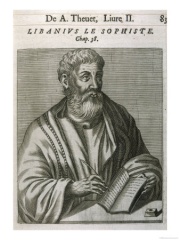
Libanius
314 - 393
HPI: 69.87
Rank: 8

Ephorus
400 BC - 330 BC
HPI: 69.19
Rank: 9
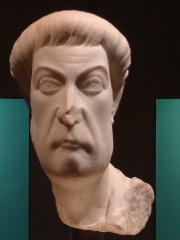
Eutropius
320 - 400
HPI: 68.75
Rank: 10

George Kedrenos
1100 - 1100
HPI: 66.85
Rank: 11

Eunapius
349 - 420
HPI: 66.64
Rank: 12