Író
Terry Eagleton
1943 - napjainkig
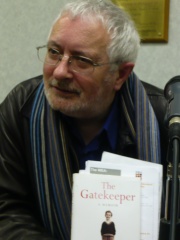
 Terry Eagleton
Terry Eagleton is a író born in 1943 in , which is now part of modern day City of Salford, United Kingdom. Terry Eagleton is currently 83 years old.
His biography is available in 34 different languages on Wikipedia. Terry Eagleton is the 2,183rd most popular író (up from 2,342nd in 2024), the 1,883rd most popular biography from United Kingdom (down from 1,735th in 2019) and the 203rd most popular British ÍRó.
Memorability Metrics
Page views of Terry Eagleton by language
Among Író
Among író, Terry Eagleton ranks 2,183 out of 7,302. Before him are Cesare Zavattini, Asclepiades of Samos, Håkan Nesser, Pierre Lemaitre, George Tabori, and Thorbjørn Egner. After him are Gaston III, Count of Foix, Andrey Kurkov, Juan Ruiz de Alarcón, Albert Cohen, Ai Qing, and Sébastien Japrisot.
Most Popular ÍRó in Wikipedia
Go to all Rankings
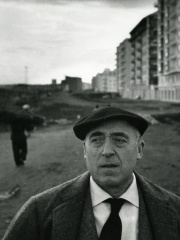
Cesare Zavattini
1902 - 1989
HPI: 62.71
Rank: 2,177

Asclepiades of Samos
320 BC - 300 BC
HPI: 62.70
Rank: 2,178
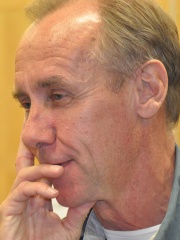
Håkan Nesser
1950 - Present
HPI: 62.70
Rank: 2,179

Pierre Lemaitre
1951 - Present
HPI: 62.69
Rank: 2,180
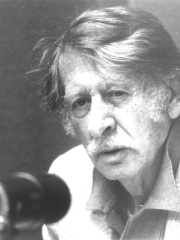
George Tabori
1914 - 2007
HPI: 62.69
Rank: 2,181
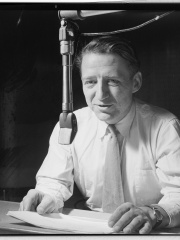
Thorbjørn Egner
1912 - 1990
HPI: 62.69
Rank: 2,182
Terry Eagleton
1943 - Present
HPI: 62.68
Rank: 2,183
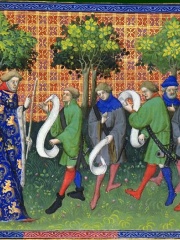
Gaston III, Count of Foix
1331 - 1391
HPI: 62.68
Rank: 2,184
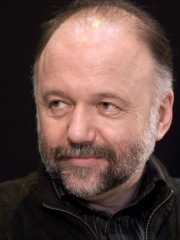
Andrey Kurkov
1961 - Present
HPI: 62.68
Rank: 2,185
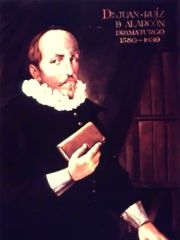
Juan Ruiz de Alarcón
1581 - 1639
HPI: 62.68
Rank: 2,186
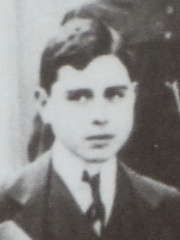
Albert Cohen
1895 - 1981
HPI: 62.68
Rank: 2,187
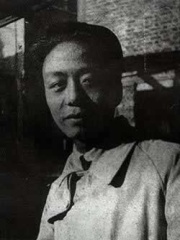
Ai Qing
1910 - 1996
HPI: 62.67
Rank: 2,188

Sébastien Japrisot
1931 - 2003
HPI: 62.67
Rank: 2,189

Contemporaries
Among people born in 1943, Terry Eagleton ranks 202. Before him are Bill Duke, Prince Franz Wilhelm of Prussia, Jack Nance, Charles Savarin, J. T. Walsh, and Horst-Dieter Höttges. After him are Nancy Greene Raine, Randy Newman, Ian Kershaw, Boris Gromov, Soad Hosny, and Lucio Battisti.
Others Born in 1943
Go to all Rankings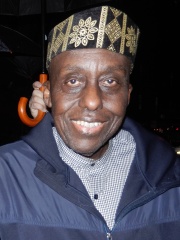
Bill Duke
ACTOR
1943 - Present
HPI: 62.86
Rank: 196
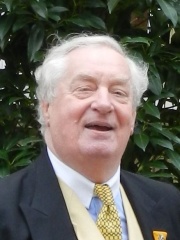
Prince Franz Wilhelm of Prussia
POLITICIAN
1943 - Present
HPI: 62.85
Rank: 197
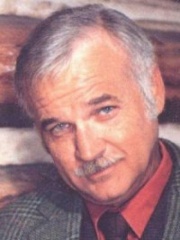
Jack Nance
ACTOR
1943 - 1996
HPI: 62.80
Rank: 198
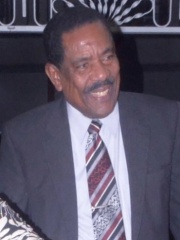
Charles Savarin
POLITICIAN
1943 - Present
HPI: 62.77
Rank: 199
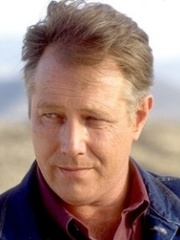
J. T. Walsh
ACTOR
1943 - 1998
HPI: 62.74
Rank: 200
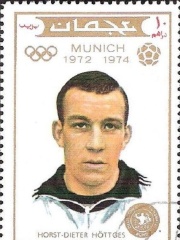
Horst-Dieter Höttges
SOCCER PLAYER
1943 - 2023
HPI: 62.69
Rank: 201
Terry Eagleton
WRITER
1943 - Present
HPI: 62.68
Rank: 202
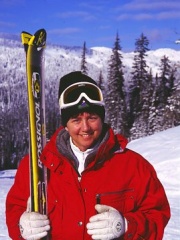
Nancy Greene Raine
POLITICIAN
1943 - Present
HPI: 62.67
Rank: 203
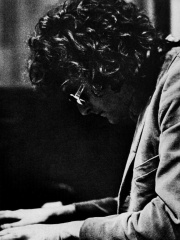
Randy Newman
SINGER
1943 - Present
HPI: 62.66
Rank: 204
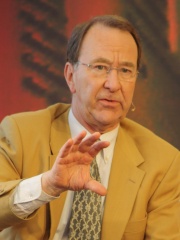
Ian Kershaw
HISTORIAN
1943 - Present
HPI: 62.63
Rank: 205

Boris Gromov
MILITARY PERSONNEL
1943 - Present
HPI: 62.59
Rank: 206
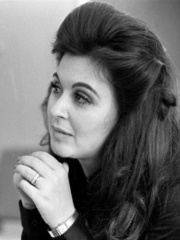
Soad Hosny
ACTOR
1943 - 2001
HPI: 62.58
Rank: 207
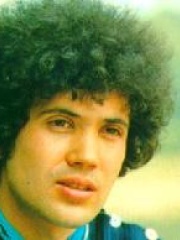
Lucio Battisti
MUSICIAN
1943 - 1998
HPI: 62.56
Rank: 208
In United Kingdom
Among people born in United Kingdom, Terry Eagleton ranks 1,883 out of 8,785. Before him are William Renshaw (1861), Brian Aldiss (1925), Peter Fraser (1884), Bernard Lee (1908), Lulach (1030), and K. K. Downing (1951). After him are Ernest Jones (1879), C. Northcote Parkinson (1909), Thomas Heath (1861), Alexander Cunningham (1814), Andrew V. McLaglen (1920), and Princess Beatrice of York (1988).
Others born in United Kingdom
Go to all Rankings
William Renshaw
TENNIS PLAYER
1861 - 1904
HPI: 62.72
Rank: 1,877
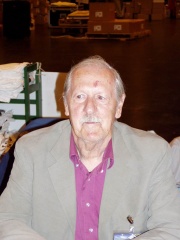
Brian Aldiss
WRITER
1925 - 2017
HPI: 62.71
Rank: 1,878
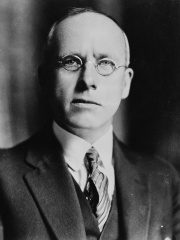
Peter Fraser
POLITICIAN
1884 - 1950
HPI: 62.71
Rank: 1,879
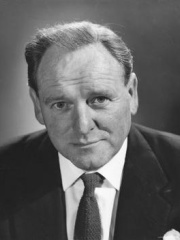
Bernard Lee
ACTOR
1908 - 1981
HPI: 62.70
Rank: 1,880
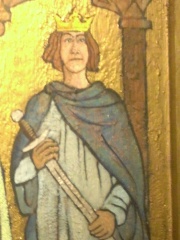
Lulach
POLITICIAN
1030 - 1058
HPI: 62.69
Rank: 1,881
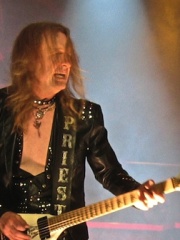
K. K. Downing
MUSICIAN
1951 - Present
HPI: 62.69
Rank: 1,882
Terry Eagleton
WRITER
1943 - Present
HPI: 62.68
Rank: 1,883
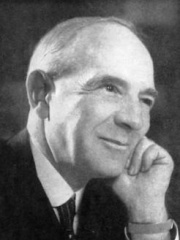
Ernest Jones
PSYCHOLOGIST
1879 - 1958
HPI: 62.67
Rank: 1,884
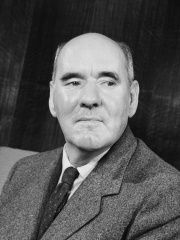
C. Northcote Parkinson
HISTORIAN
1909 - 1993
HPI: 62.67
Rank: 1,885
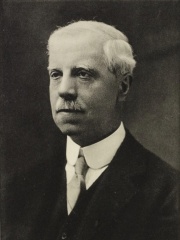
Thomas Heath
MATHEMATICIAN
1861 - 1940
HPI: 62.67
Rank: 1,886
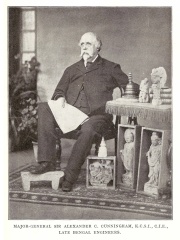
Alexander Cunningham
ENGINEER
1814 - 1893
HPI: 62.67
Rank: 1,887

Andrew V. McLaglen
FILM DIRECTOR
1920 - 2014
HPI: 62.66
Rank: 1,888
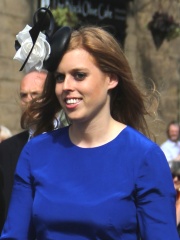
Princess Beatrice of York
NOBLEMAN
1988 - Present
HPI: 62.66
Rank: 1,889
Among Író In United Kingdom
Among író born in United Kingdom, Terry Eagleton ranks 203. Before him are Christopher Isherwood (1904), Marjorie Boulton (1924), Kingsley Amis (1922), Arthur Young (1741), Richard Aldington (1892), and Brian Aldiss (1925). After him are Christina Rossetti (1830), Richard Adams (1920), Martin Amis (1949), Edward Young (1683), John Skelton (1460), and Clive Barker (1952).
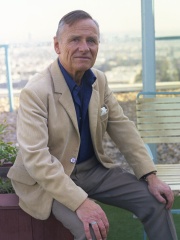
Christopher Isherwood
1904 - 1986
HPI: 62.99
Rank: 197
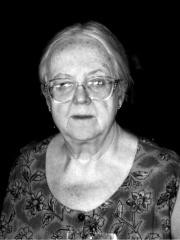
Marjorie Boulton
1924 - 2017
HPI: 62.94
Rank: 198
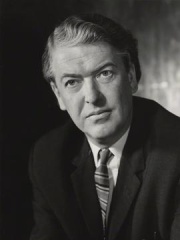
Kingsley Amis
1922 - 1995
HPI: 62.88
Rank: 199
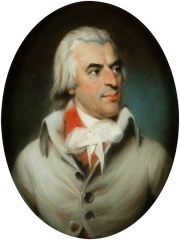
Arthur Young
1741 - 1820
HPI: 62.85
Rank: 200
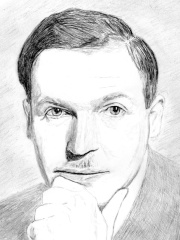
Richard Aldington
1892 - 1962
HPI: 62.80
Rank: 201
Brian Aldiss
1925 - 2017
HPI: 62.71
Rank: 202
Terry Eagleton
1943 - Present
HPI: 62.68
Rank: 203
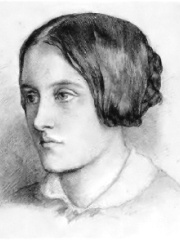
Christina Rossetti
1830 - 1894
HPI: 62.65
Rank: 204
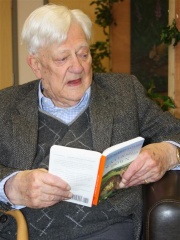
Richard Adams
1920 - 2016
HPI: 62.61
Rank: 205
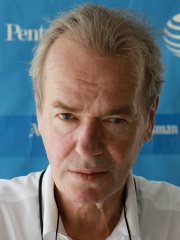
Martin Amis
1949 - 2023
HPI: 62.60
Rank: 206
Edward Young
1683 - 1765
HPI: 62.56
Rank: 207
John Skelton
1460 - 1529
HPI: 62.55
Rank: 208

Clive Barker
1952 - Present
HPI: 62.50
Rank: 209