Filozófus
Perry Anderson
1938 - napjainkig

 Perry Anderson
Életrajza 25 különböző nyelven érhető el a Wikipédián. Perry Anderson a 935th legnépszerűbb filozófus (csökkenés a 859th-ről 2024-ben), a 2,624th legnépszerűbb életrajz Egyesült Királyság országából (csökkenés a 2,027th-ről 2019-ben) és a 63rd legnépszerűbb Egyesült Királyságból filozófus.
Memorability Metrics
Page views of Perry Anderson by language
Among Filozófuses
Among filozófuses, Perry Anderson ranks 935 out of 1,267. Before him are Erich Neumann, Tomáš Halík, Patricia Churchland, Michael Löwy, Édouard Le Roy, and Cineas. After him are Johannes Agricola, Michel Marcel Navratil, Azmi Bishara, Guillaume Faye, Apollodorus the Epicurean, and Debendranath Tagore.
Most Popular Filozófuses in Wikipedia
Go to all Rankings
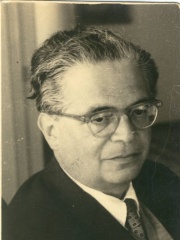
Erich Neumann
1905 - 1960
HPI: 59.85
Rank: 929
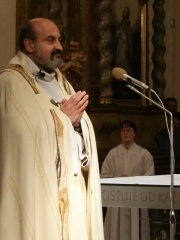
Tomáš Halík
1948 - Present
HPI: 59.84
Rank: 930
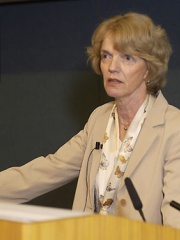
Patricia Churchland
1943 - Present
HPI: 59.81
Rank: 931
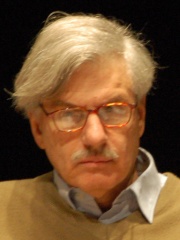
Michael Löwy
1938 - Present
HPI: 59.81
Rank: 932
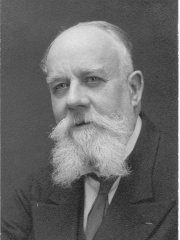
Édouard Le Roy
1870 - 1954
HPI: 59.80
Rank: 933
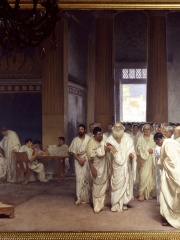
Cineas
400 BC - 300 BC
HPI: 59.80
Rank: 934
Perry Anderson
1938 - Present
HPI: 59.78
Rank: 935
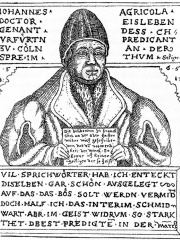
Johannes Agricola
1494 - 1566
HPI: 59.76
Rank: 936
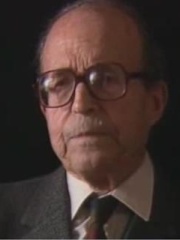
Michel Marcel Navratil
1908 - 2001
HPI: 59.75
Rank: 937
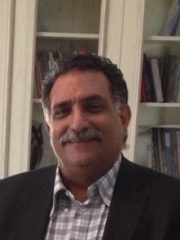
Azmi Bishara
1956 - Present
HPI: 59.72
Rank: 938
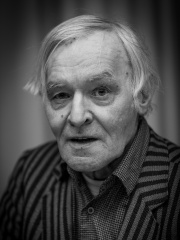
Guillaume Faye
1949 - 2019
HPI: 59.70
Rank: 939

Apollodorus the Epicurean
150 BC - 150 BC
HPI: 59.70
Rank: 940
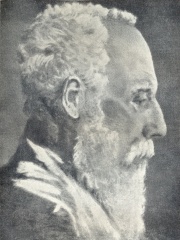
Debendranath Tagore
1817 - 1905
HPI: 59.69
Rank: 941

Contemporaries
Among people born in 1938, Perry Anderson ranks 253. Before him are Corine Rottschäfer, Theodor Kallifatides, Girish Karnad, Nieves Navarro, Michael Löwy, and Emile Griffith. After him are Alan Dershowitz, Marinella, Giant Baba, Princess Anne, Duchess of Calabria, Tiziano Terzani, and Ieronymos II of Athens.
Others Born in 1938
Go to all Rankings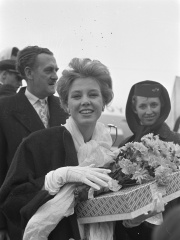
Corine Rottschäfer
MODEL
1938 - 2020
HPI: 59.90
Rank: 247
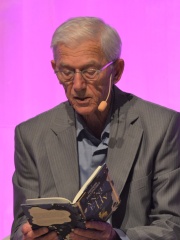
Theodor Kallifatides
WRITER
1938 - Present
HPI: 59.89
Rank: 248
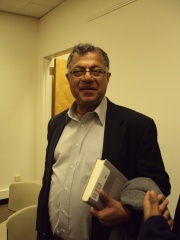
Girish Karnad
ACTOR
1938 - 2019
HPI: 59.88
Rank: 249

Nieves Navarro
ACTOR
1938 - Present
HPI: 59.87
Rank: 250
Michael Löwy
PHILOSOPHER
1938 - Present
HPI: 59.81
Rank: 251
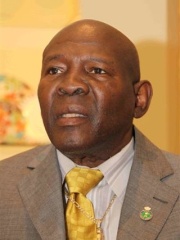
Emile Griffith
BOXER
1938 - 2013
HPI: 59.80
Rank: 252
Perry Anderson
PHILOSOPHER
1938 - Present
HPI: 59.78
Rank: 253
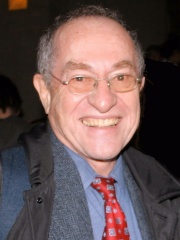
Alan Dershowitz
LAWYER
1938 - Present
HPI: 59.77
Rank: 254

Marinella
SINGER
1938 - Present
HPI: 59.72
Rank: 255
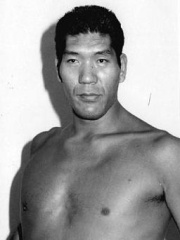
Giant Baba
WRESTLER
1938 - 1999
HPI: 59.71
Rank: 256
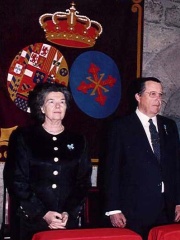
Princess Anne, Duchess of Calabria
POLITICIAN
1938 - Present
HPI: 59.69
Rank: 257

Tiziano Terzani
WRITER
1938 - 2004
HPI: 59.66
Rank: 258
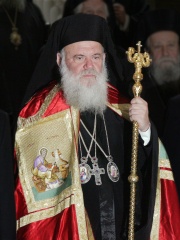
Ieronymos II of Athens
RELIGIOUS FIGURE
1938 - Present
HPI: 59.65
Rank: 259
In Egyesült Királyság
Among people born in Egyesült Királyság, Perry Anderson ranks 2,625 out of NaN. Before him are Joe Jordan (1951), Sir William Bowman, 1st Baronet (1816), John Mahoney (1940), John Foxe (1516), Patricia Quinn (1944), and Janet McTeer (1961). After him are William Wilson (1844), Edward Arthur Milne (1896), Robert Fortune (1812), Eleanor, Fair Maid of Brittany (1182), Peter Sinfield (1943), and Emma Corrin (1995).
Others born in Egyesült Királyság
Go to all Rankings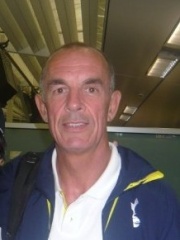
Joe Jordan
SOCCER PLAYER
1951 - Present
HPI: 59.80
Rank: 2,619
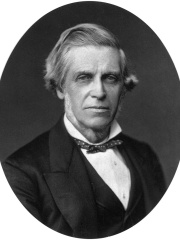
Sir William Bowman, 1st Baronet
PHYSICIAN
1816 - 1892
HPI: 59.79
Rank: 2,620
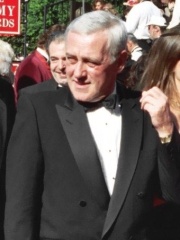
John Mahoney
ACTOR
1940 - 2018
HPI: 59.79
Rank: 2,621
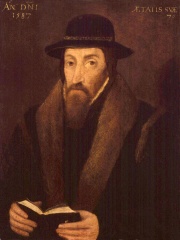
John Foxe
HISTORIAN
1516 - 1587
HPI: 59.79
Rank: 2,622

Patricia Quinn
ACTOR
1944 - Present
HPI: 59.79
Rank: 2,623
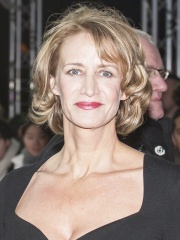
Janet McTeer
ACTOR
1961 - Present
HPI: 59.78
Rank: 2,624
Perry Anderson
PHILOSOPHER
1938 - Present
HPI: 59.78
Rank: 2,625

William Wilson
JOURNALIST
1844 - 1912
HPI: 59.78
Rank: 2,626
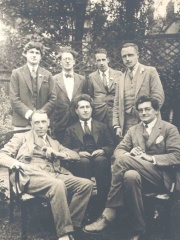
Edward Arthur Milne
MATHEMATICIAN
1896 - 1950
HPI: 59.78
Rank: 2,627

Robert Fortune
BIOLOGIST
1812 - 1880
HPI: 59.78
Rank: 2,628
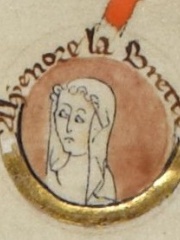
Eleanor, Fair Maid of Brittany
POLITICIAN
1182 - 1241
HPI: 59.77
Rank: 2,629
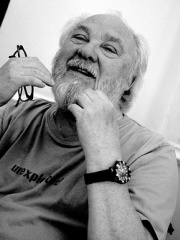
Peter Sinfield
SINGER
1943 - 2024
HPI: 59.77
Rank: 2,630

Emma Corrin
ACTOR
1995 - Present
HPI: 59.77
Rank: 2,631
Among Filozófuses In Egyesült Királyság
Among filozófuses born in Egyesült Királyság, Perry Anderson ranks 63. Before him are John Major (1467), Charles Kay Ogden (1889), Frederick Copleston (1907), Raymond Williams (1921), Martin Lings (1909), and J. M. E. McTaggart (1866). After him are Mary Warnock, Baroness Warnock (1924), Thomas Arnold (1795), Richard Swinburne (1934), Anna Kingsford (1846), Samuel Clarke (1675), and Michael Oakeshott (1901).
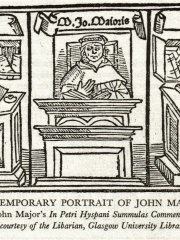
John Major
1467 - 1550
HPI: 60.96
Rank: 57
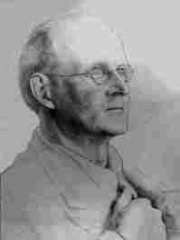
Charles Kay Ogden
1889 - 1957
HPI: 60.87
Rank: 58
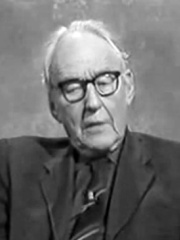
Frederick Copleston
1907 - 1994
HPI: 60.72
Rank: 59
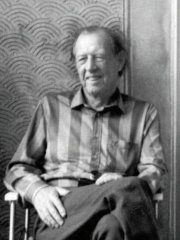
Raymond Williams
1921 - 1988
HPI: 60.70
Rank: 60
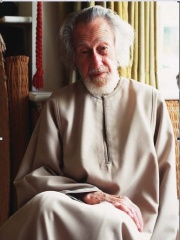
Martin Lings
1909 - 2005
HPI: 59.90
Rank: 61
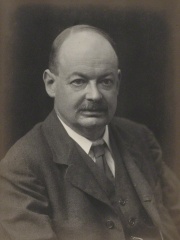
J. M. E. McTaggart
1866 - 1925
HPI: 59.89
Rank: 62
Perry Anderson
1938 - Present
HPI: 59.78
Rank: 63
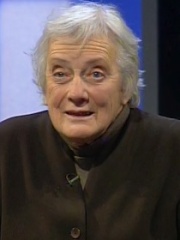
Mary Warnock, Baroness Warnock
1924 - 2019
HPI: 59.18
Rank: 64
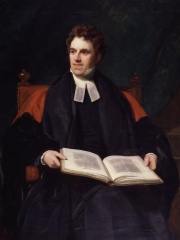
Thomas Arnold
1795 - 1842
HPI: 58.63
Rank: 65
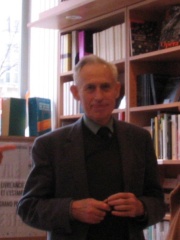
Richard Swinburne
1934 - Present
HPI: 58.62
Rank: 66
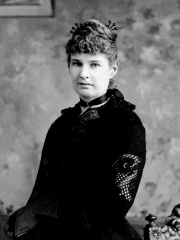
Anna Kingsford
1846 - 1888
HPI: 58.56
Rank: 67
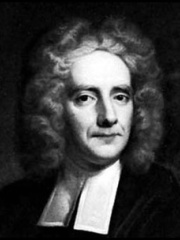
Samuel Clarke
1675 - 1729
HPI: 58.53
Rank: 68
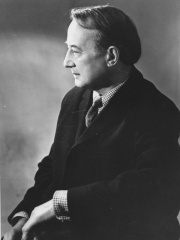
Michael Oakeshott
1901 - 1990
HPI: 58.30
Rank: 69