Politikus
Leni Robredo
1965 - napjainkig
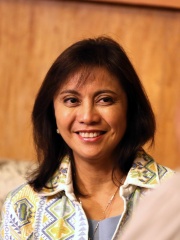

 Leni Robredo
Életrajza 27 különböző nyelven érhető el a Wikipédián (növekedés 26-ről 2024-ben). Leni Robredo a 10,088th legnépszerűbb politikus (növekedés a 17,182nd-ről 2024-ben), a 31st legnépszerűbb életrajz Fülöp-szigetek országából (növekedés a 74th-ről 2019-ben) és a 22nd legnépszerűbb Fülöp-szigetekből politikus.
Memorability Metrics
Page views of Leni Robredo by language
Among Politikuses
Among politikuses, Leni Robredo ranks 10,088 out of 19,576. Before her are Ali Saibou, Abd al-Rahman al-Bazzaz, Lucius Cornelius Scipio Barbatus, Lord William Bentinck, Muse Bihi Abdi, and Benigno Aquino III. After her are Sani Abacha, Paul Freiherr von Eltz-Rübenach, Abu Yaqub Yusuf an-Nasr, Richard Brinsley Sheridan, Valérie Trierweiler, and Konstantin of Rostov.
Most Popular Politikuses in Wikipedia
Go to all Rankings
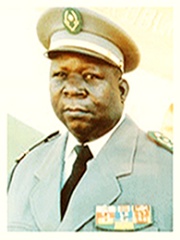
Ali Saibou
1940 - 2011
HPI: 61.21
Rank: 10,087
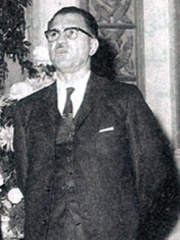
Abd al-Rahman al-Bazzaz
1913 - 1973
HPI: 61.21
Rank: 10,088
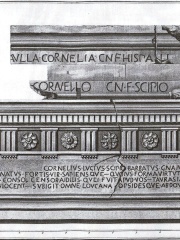
Lucius Cornelius Scipio Barbatus
400 BC - 300 BC
HPI: 61.21
Rank: 10,089
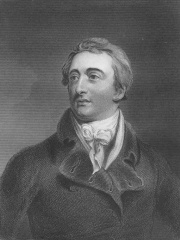
Lord William Bentinck
1774 - 1839
HPI: 61.21
Rank: 10,090
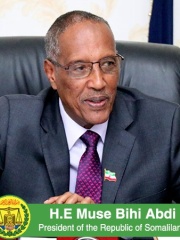
Muse Bihi Abdi
1948 - Present
HPI: 61.21
Rank: 10,091
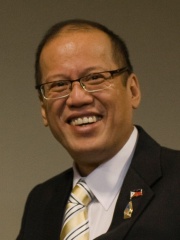
Benigno Aquino III
1960 - 2021
HPI: 61.21
Rank: 10,092
Leni Robredo
1965 - Present
HPI: 61.21
Rank: 10,093
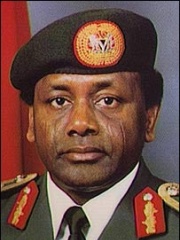
Sani Abacha
1943 - 1998
HPI: 61.21
Rank: 10,094
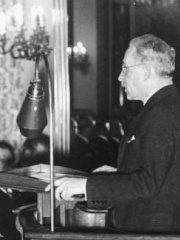
Paul Freiherr von Eltz-Rübenach
1875 - 1943
HPI: 61.21
Rank: 10,095
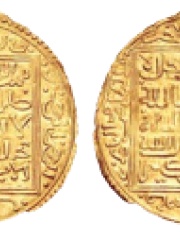
Abu Yaqub Yusuf an-Nasr
1300 - 1307
HPI: 61.20
Rank: 10,096
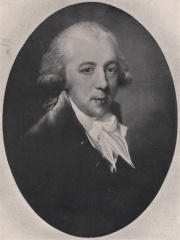
Richard Brinsley Sheridan
1751 - 1816
HPI: 61.20
Rank: 10,097

Valérie Trierweiler
1965 - Present
HPI: 61.20
Rank: 10,098
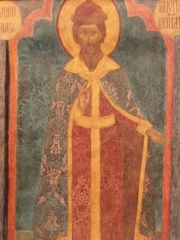
Konstantin of Rostov
1185 - 1218
HPI: 61.20
Rank: 10,099

Contemporaries
Among people born in 1965, Leni Robredo ranks 102. Before her are Darko Pančev, Melissa McBride, Adama Barrow, Peter Krause, Haddaway, and Jean Castex. After her are Valérie Trierweiler, Prakash Raj, Sherilyn Fenn, Ronaldo Rodrigues de Jesus, Dominik Hašek, and Stefka Kostadinova.
Others Born in 1965
Go to all Rankings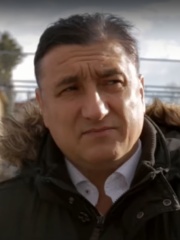
Darko Pančev
SOCCER PLAYER
1965 - Present
HPI: 61.50
Rank: 96
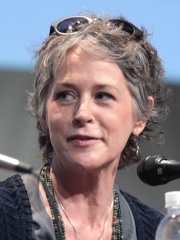
Melissa McBride
ACTOR
1965 - Present
HPI: 61.44
Rank: 97
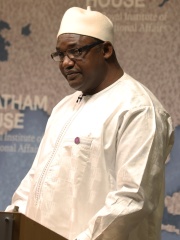
Adama Barrow
POLITICIAN
1965 - Present
HPI: 61.39
Rank: 98
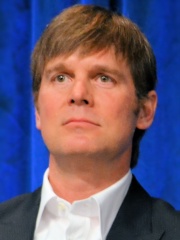
Peter Krause
ACTOR
1965 - Present
HPI: 61.36
Rank: 99
Haddaway
SINGER
1965 - Present
HPI: 61.34
Rank: 100
Jean Castex
POLITICIAN
1965 - Present
HPI: 61.24
Rank: 101
Leni Robredo
POLITICIAN
1965 - Present
HPI: 61.21
Rank: 102
Valérie Trierweiler
POLITICIAN
1965 - Present
HPI: 61.20
Rank: 103

Prakash Raj
ACTOR
1965 - Present
HPI: 61.19
Rank: 104
Sherilyn Fenn
ACTOR
1965 - Present
HPI: 61.14
Rank: 105

Ronaldo Rodrigues de Jesus
SOCCER PLAYER
1965 - Present
HPI: 61.13
Rank: 106
Dominik Hašek
ATHLETE
1965 - Present
HPI: 61.02
Rank: 107
Stefka Kostadinova
ATHLETE
1965 - Present
HPI: 60.90
Rank: 108
In Fülöp-szigetek
Among people born in Fülöp-szigetek, Leni Robredo ranks 31 out of NaN. Before her are Isabel Preysler (1951), Carlos P. Garcia (1896), Efren Reyes (1954), Sara Duterte (1978), Manny Pacquiao (1978), and Benigno Aquino III (1960). After her are Juan Ponce Enrile (1924), Marcelo H. del Pilar (1850), Francisco Balagtas (1788), Florencio Campomanes (1927), Arturo Tolentino (1910), and Apolinario Mabini (1864).
Others born in Fülöp-szigetek
Go to all Rankings
Isabel Preysler
CELEBRITY
1951 - Present
HPI: 64.61
Rank: 25
Carlos P. Garcia
POLITICIAN
1896 - 1971
HPI: 64.48
Rank: 26
Efren Reyes
ATHLETE
1954 - Present
HPI: 63.34
Rank: 27

Sara Duterte
POLITICIAN
1978 - Present
HPI: 62.52
Rank: 28
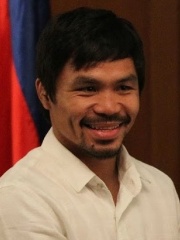
Manny Pacquiao
BOXER
1978 - Present
HPI: 61.40
Rank: 29
Benigno Aquino III
POLITICIAN
1960 - 2021
HPI: 61.21
Rank: 30
Leni Robredo
POLITICIAN
1965 - Present
HPI: 61.21
Rank: 31
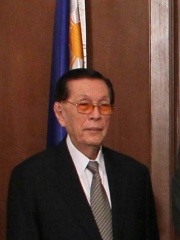
Juan Ponce Enrile
POLITICIAN
1924 - 2025
HPI: 61.17
Rank: 32
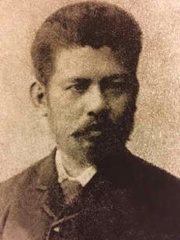
Marcelo H. del Pilar
JOURNALIST
1850 - 1896
HPI: 61.14
Rank: 33
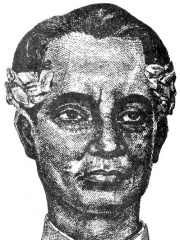
Francisco Balagtas
WRITER
1788 - 1862
HPI: 60.61
Rank: 34
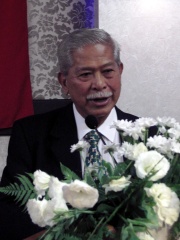
Florencio Campomanes
POLITICIAN
1927 - 2010
HPI: 60.33
Rank: 35
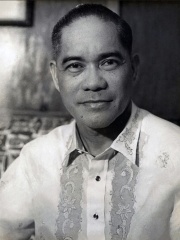
Arturo Tolentino
POLITICIAN
1910 - 2004
HPI: 59.64
Rank: 36
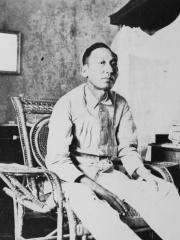
Apolinario Mabini
POLITICIAN
1864 - 1903
HPI: 59.43
Rank: 37
Among Politikuses In Fülöp-szigetek
Among politikuses born in Fülöp-szigetek, Leni Robredo ranks 22. Before her are Manuel Roxas (1892), Pedro Calungsod (1654), Elpidio Quirino (1890), Carlos P. Garcia (1896), Sara Duterte (1978), and Benigno Aquino III (1960). After her are Juan Ponce Enrile (1924), Florencio Campomanes (1927), Arturo Tolentino (1910), Apolinario Mabini (1864), Noli de Castro (1949), and Pedro Paterno (1857).
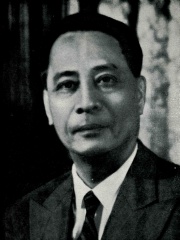
Manuel Roxas
1892 - 1948
HPI: 66.35
Rank: 16
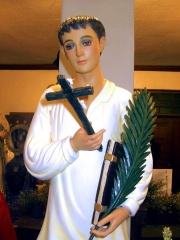
Pedro Calungsod
1654 - 1672
HPI: 66.04
Rank: 17
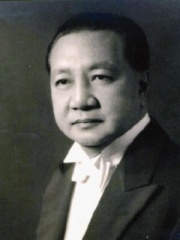
Elpidio Quirino
1890 - 1956
HPI: 64.76
Rank: 18
Carlos P. Garcia
1896 - 1971
HPI: 64.48
Rank: 19
Sara Duterte
1978 - Present
HPI: 62.52
Rank: 20
Benigno Aquino III
1960 - 2021
HPI: 61.21
Rank: 21
Leni Robredo
1965 - Present
HPI: 61.21
Rank: 22
Juan Ponce Enrile
1924 - 2025
HPI: 61.17
Rank: 23
Florencio Campomanes
1927 - 2010
HPI: 60.33
Rank: 24
Arturo Tolentino
1910 - 2004
HPI: 59.64
Rank: 25
Apolinario Mabini
1864 - 1903
HPI: 59.43
Rank: 26
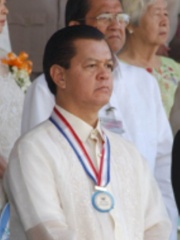
Noli de Castro
1949 - Present
HPI: 58.81
Rank: 27
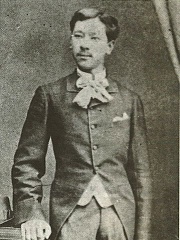
Pedro Paterno
1857 - 1911
HPI: 57.99
Rank: 28