Politikus
Himiko
175 - 248
HU.WIKIPEDIA PAGE VIEWS (PV)
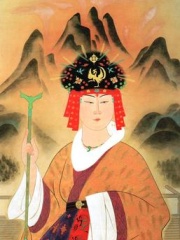
 Himiko
Életrajza 41 különböző nyelven érhető el a Wikipédián (növekedés 39-ről 2024-ben). Himiko a 2,543rd legnépszerűbb politikus (csökkenés a 2,051st-ről 2024-ben), a 103rd legnépszerűbb életrajz Japán országából (csökkenés a 85th-ről 2019-ben) és a 30th legnépszerűbb Japánból politikus.
Memorability Metrics
Page views of Himiko by language
Among Politikuses
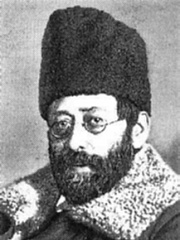
Among politikuses, Himiko ranks 2,543 out of 19,576. Before her are Chlodwig, Prince of Hohenlohe-Schillingsfürst, Artabanus II of Parthia, Joachim II Hector, Elector of Brandenburg, Ferdinand II, Archduke of Austria, Wen Jiabao, and Soong Mei-ling. After her are Tiglath-Pileser I, Sviatopolk I of Kiev, François Ravaillac, Karl Anton, Prince of Hohenzollern, Arthur Balfour, and Julius Martov.
Most Popular Politikuses in Wikipedia
Go to all Rankings
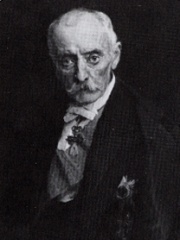
Chlodwig, Prince of Hohenlohe-Schillingsfürst
1819 - 1901
HPI: 70.76
Rank: 2,538
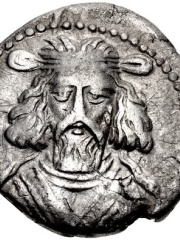
Artabanus II of Parthia
100 BC - 38
HPI: 70.76
Rank: 2,539
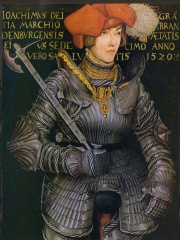
Joachim II Hector, Elector of Brandenburg
1505 - 1571
HPI: 70.76
Rank: 2,540
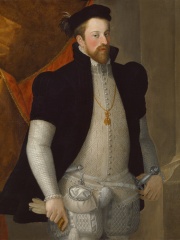
Ferdinand II, Archduke of Austria
1529 - 1595
HPI: 70.76
Rank: 2,541
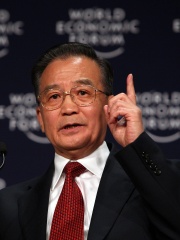
Wen Jiabao
1942 - Present
HPI: 70.76
Rank: 2,542
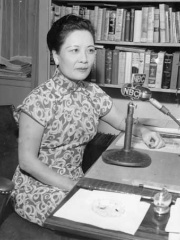
Soong Mei-ling
1897 - 2003
HPI: 70.75
Rank: 2,543
Himiko
175 - 248
HPI: 70.75
Rank: 2,544
Tiglath-Pileser I
1200 BC - 1076 BC
HPI: 70.75
Rank: 2,545
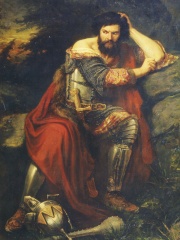
Sviatopolk I of Kiev
978 - 1019
HPI: 70.74
Rank: 2,546
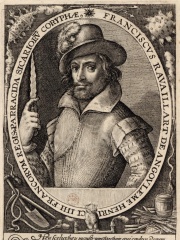
François Ravaillac
1578 - 1610
HPI: 70.74
Rank: 2,547
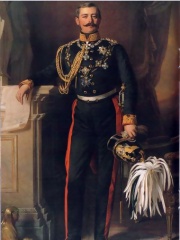
Karl Anton, Prince of Hohenzollern
1811 - 1885
HPI: 70.74
Rank: 2,548
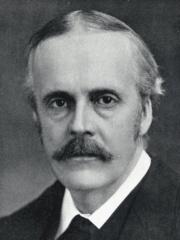
Arthur Balfour
1848 - 1930
HPI: 70.73
Rank: 2,549
Julius Martov
1873 - 1923
HPI: 70.72
Rank: 2,550

Contemporaries
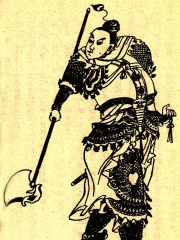
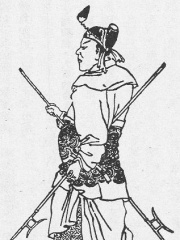
Among people born in 175, Himiko ranks 4. Before her are Zhou Yu, Sun Ce, and Ammonius Saccas. After her is Gan Ning. Among people deceased in 248, Himiko ranks 1. After her are Pacatianus, Dongcheon of Goguryeo, Lady Triệu, and Pope Heraclas of Alexandria.
Others Born in 175
Go to all Rankings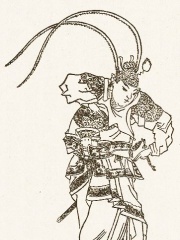
Zhou Yu
MILITARY PERSONNEL
175 - 210
HPI: 72.20
Rank: 1
Sun Ce
MILITARY PERSONNEL
175 - 200
HPI: 71.59
Rank: 2

Ammonius Saccas
PHILOSOPHER
175 - 242
HPI: 71.27
Rank: 3
Himiko
POLITICIAN
175 - 248
HPI: 70.75
Rank: 4
Gan Ning
MILITARY PERSONNEL
175 - 222
HPI: 67.08
Rank: 5
Others Deceased in 248
Go to all RankingsHimiko
POLITICIAN
175 - 248
HPI: 70.75
Rank: 1
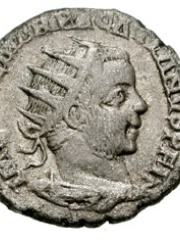
Pacatianus
POLITICIAN
200 - 248
HPI: 67.83
Rank: 2
Dongcheon of Goguryeo
POLITICIAN
209 - 248
HPI: 64.43
Rank: 3
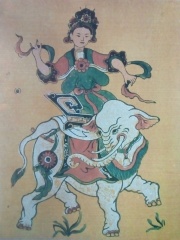
Lady Triệu
MILITARY PERSONNEL
225 - 248
HPI: 63.31
Rank: 4
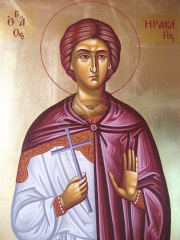
Pope Heraclas of Alexandria
POLITICIAN
180 - 248
HPI: 61.67
Rank: 5
In Japán
Among people born in Japán, Himiko ranks 103 out of NaN. Before her are Makoto Kobayashi (1944), Tokugawa Hidetada (1579), Kūkai (774), Tomoyuki Yamashita (1885), Akira Suzuki (1930), and Empress Meishō (1624). After her are Tadamichi Kuribayashi (1891), Fumio Kishida (1957), Kiichiro Toyoda (1894), Emperor Sakuramachi (1720), Emperor Nakamikado (1702), and Leo Esaki (1925).
Others born in Japán
Go to all Rankings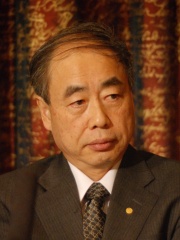
Makoto Kobayashi
PHYSICIST
1944 - Present
HPI: 70.90
Rank: 97
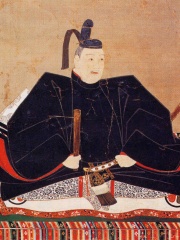
Tokugawa Hidetada
POLITICIAN
1579 - 1632
HPI: 70.89
Rank: 98
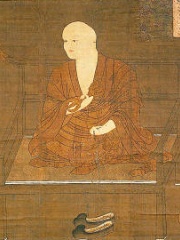
Kūkai
LINGUIST
774 - 835
HPI: 70.88
Rank: 99
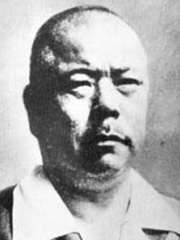
Tomoyuki Yamashita
MILITARY PERSONNEL
1885 - 1946
HPI: 70.86
Rank: 100
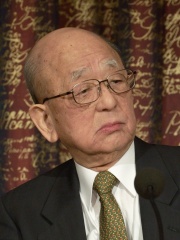
Akira Suzuki
CHEMIST
1930 - Present
HPI: 70.85
Rank: 101
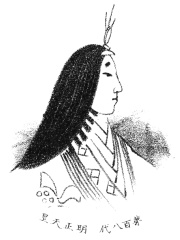
Empress Meishō
RELIGIOUS FIGURE
1624 - 1696
HPI: 70.84
Rank: 102
Himiko
POLITICIAN
175 - 248
HPI: 70.75
Rank: 103
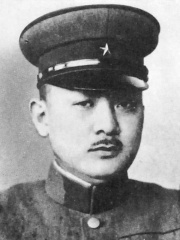
Tadamichi Kuribayashi
MILITARY PERSONNEL
1891 - 1945
HPI: 70.67
Rank: 104
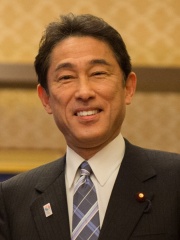
Fumio Kishida
POLITICIAN
1957 - Present
HPI: 70.64
Rank: 105
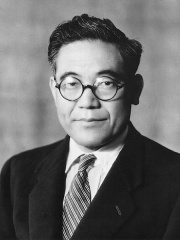
Kiichiro Toyoda
BUSINESSPERSON
1894 - 1952
HPI: 70.63
Rank: 106
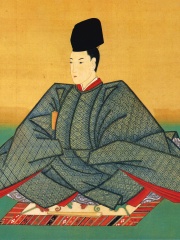
Emperor Sakuramachi
POLITICIAN
1720 - 1750
HPI: 70.59
Rank: 107
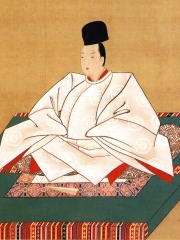
Emperor Nakamikado
POLITICIAN
1702 - 1737
HPI: 70.54
Rank: 108
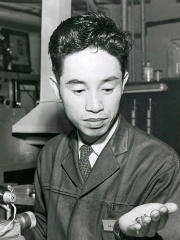
Leo Esaki
PHYSICIST
1925 - Present
HPI: 70.47
Rank: 109
Among Politikuses In Japán
Among politikuses born in Japán, Himiko ranks 30. Before her are Uesugi Kenshin (1530), Naoto Kan (1946), Emperor Itoku (-553), Emperor Go-Momozono (1758), Empress Go-Sakuramachi (1740), and Tokugawa Hidetada (1579). After her are Fumio Kishida (1957), Emperor Sakuramachi (1720), Emperor Nakamikado (1702), Shigeru Ishiba (1957), Emperor Higashiyama (1675), and Yasuo Fukuda (1936).
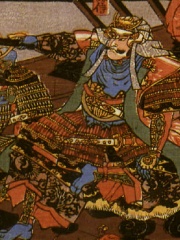
Uesugi Kenshin
1530 - 1578
HPI: 71.27
Rank: 24
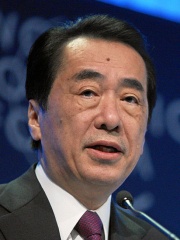
Naoto Kan
1946 - Present
HPI: 71.22
Rank: 25
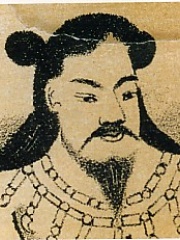
Emperor Itoku
553 BC - 477 BC
HPI: 71.04
Rank: 26
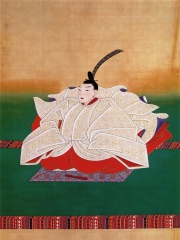
Emperor Go-Momozono
1758 - 1779
HPI: 70.98
Rank: 27
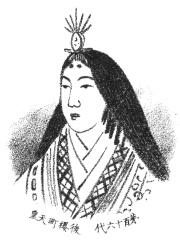
Empress Go-Sakuramachi
1740 - 1813
HPI: 70.96
Rank: 28
Tokugawa Hidetada
1579 - 1632
HPI: 70.89
Rank: 29
Himiko
175 - 248
HPI: 70.75
Rank: 30
Fumio Kishida
1957 - Present
HPI: 70.64
Rank: 31
Emperor Sakuramachi
1720 - 1750
HPI: 70.59
Rank: 32
Emperor Nakamikado
1702 - 1737
HPI: 70.54
Rank: 33
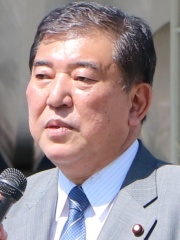
Shigeru Ishiba
1957 - Present
HPI: 70.43
Rank: 34
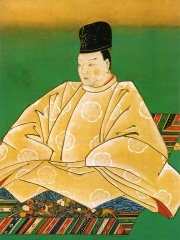
Emperor Higashiyama
1675 - 1710
HPI: 70.42
Rank: 35
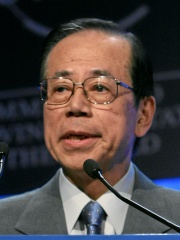
Yasuo Fukuda
1936 - Present
HPI: 70.25
Rank: 36