Író
Clive Barker
1952 - napjainkig


 Clive Barker
Clive Barker (Liverpool, Anglia, Egyesült Királyság, 1952. október 5. –) angol író, filmrendező. Leginkább fantasy és horror témájú munkáiról ismert. Bővebben a Wikipédián
His biography is available in 42 different languages on Wikipedia (up from 40 in 2024). Clive Barker is the 2,237th most popular író (down from 2,054th in 2024), the 1,925th most popular biography from United Kingdom (down from 1,559th in 2019) and the 209th most popular British ÍRó.
Memorability Metrics
Page views of Clive Barker by language
Among Író
Among író, Clive Barker ranks 2,237 out of 7,302. Before him are Suzanne Collins, Rudolf Rocker, Nils-Aslak Valkeapää, Claude Farrère, Nina Berberova, and Pierre Klossowski. After him are Wanda Wasilewska, Meleager of Gadara, Quadratus of Athens, Aspazija, Allen Carr, and Jean Bolland.
Most Popular ÍRó in Wikipedia
Go to all Rankings
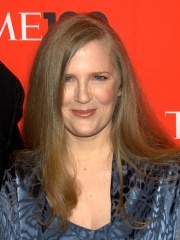
Suzanne Collins
1962 - Present
HPI: 62.52
Rank: 2,231
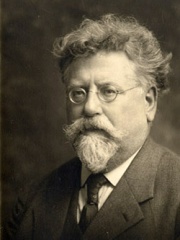
Rudolf Rocker
1873 - 1958
HPI: 62.52
Rank: 2,232

Nils-Aslak Valkeapää
1943 - 2001
HPI: 62.51
Rank: 2,233
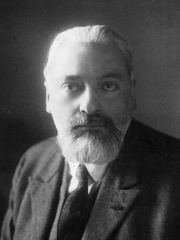
Claude Farrère
1876 - 1957
HPI: 62.51
Rank: 2,234
Nina Berberova
1901 - 1993
HPI: 62.51
Rank: 2,235

Pierre Klossowski
1905 - 2001
HPI: 62.51
Rank: 2,236
Clive Barker
1952 - Present
HPI: 62.50
Rank: 2,237
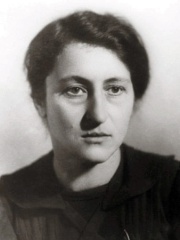
Wanda Wasilewska
1905 - 1964
HPI: 62.50
Rank: 2,238

Meleager of Gadara
130 BC - 60 BC
HPI: 62.50
Rank: 2,239
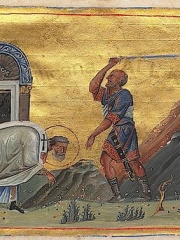
Quadratus of Athens
100 - 129
HPI: 62.50
Rank: 2,240
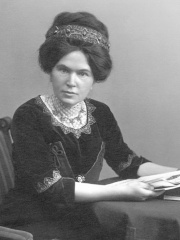
Aspazija
1865 - 1943
HPI: 62.50
Rank: 2,241
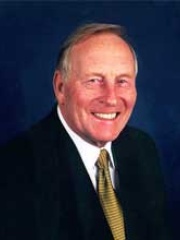
Allen Carr
1934 - 2006
HPI: 62.49
Rank: 2,242
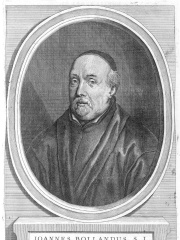
Jean Bolland
1596 - 1665
HPI: 62.49
Rank: 2,243

Contemporaries
Among people born in 1952, Clive Barker ranks 166. Before him are Annie Potts, Alfre Woodard, Joseph W. Tobin, Nikolai Andrianov, François Berléand, and Tatsuhiko Seta. After him are Chuck Lorre, Geraldo Alckmin, Şenol Güneş, David Byrne, Dalia Itzik, and Ahmed Nazif.
Others Born in 1952
Go to all Rankings
Annie Potts
ACTOR
1952 - Present
HPI: 62.78
Rank: 160

Alfre Woodard
ACTOR
1952 - Present
HPI: 62.77
Rank: 161
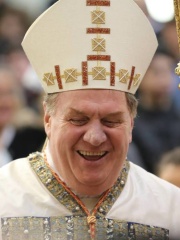
Joseph W. Tobin
RELIGIOUS FIGURE
1952 - Present
HPI: 62.71
Rank: 162
Nikolai Andrianov
GYMNAST
1952 - 2011
HPI: 62.69
Rank: 163
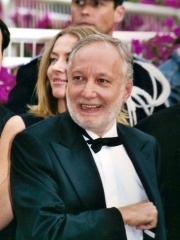
François Berléand
ACTOR
1952 - Present
HPI: 62.62
Rank: 164

Tatsuhiko Seta
SOCCER PLAYER
1952 - Present
HPI: 62.54
Rank: 165
Clive Barker
WRITER
1952 - Present
HPI: 62.50
Rank: 166
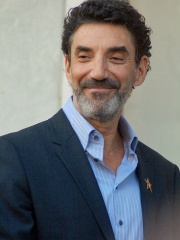
Chuck Lorre
FILM DIRECTOR
1952 - Present
HPI: 62.43
Rank: 167
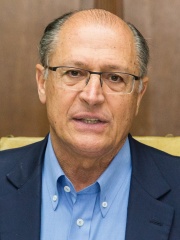
Geraldo Alckmin
POLITICIAN
1952 - Present
HPI: 62.30
Rank: 168
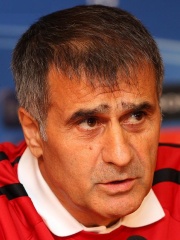
Şenol Güneş
COACH
1952 - Present
HPI: 62.24
Rank: 169
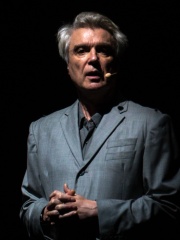
David Byrne
FILM DIRECTOR
1952 - Present
HPI: 62.21
Rank: 170

Dalia Itzik
POLITICIAN
1952 - Present
HPI: 62.08
Rank: 171
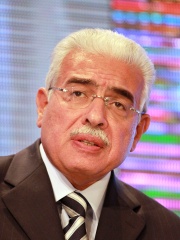
Ahmed Nazif
POLITICIAN
1952 - Present
HPI: 61.90
Rank: 172
In United Kingdom
Among people born in United Kingdom, Clive Barker ranks 1,925 out of 8,785. Before him are Edward the Exile (1016), Pieter de Molijn (1595), Richard Bowdler Sharpe (1847), Sir John Pringle, 1st Baronet (1707), Antony Beevor (1946), and Charles Booth (1840). After him are Victor McLaglen (1886), Allen Carr (1934), William Caxton (1422), Paul Rodgers (1949), Thor Vilhjálmsson (1925), and Mark Fisher (1968).
Others born in United Kingdom
Go to all Rankings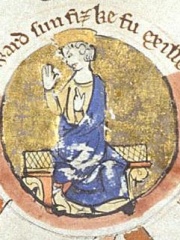
Edward the Exile
POLITICIAN
1016 - 1057
HPI: 62.55
Rank: 1,919

Pieter de Molijn
PAINTER
1595 - 1661
HPI: 62.54
Rank: 1,920
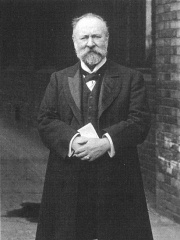
Richard Bowdler Sharpe
BIOLOGIST
1847 - 1909
HPI: 62.53
Rank: 1,921
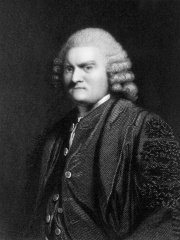
Sir John Pringle, 1st Baronet
PHYSICIAN
1707 - 1782
HPI: 62.52
Rank: 1,922
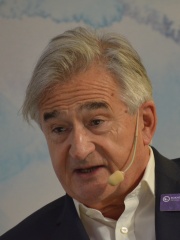
Antony Beevor
HISTORIAN
1946 - Present
HPI: 62.52
Rank: 1,923
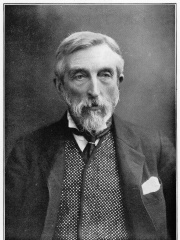
Charles Booth
POLITICIAN
1840 - 1916
HPI: 62.52
Rank: 1,924
Clive Barker
WRITER
1952 - Present
HPI: 62.50
Rank: 1,925
Victor McLaglen
ACTOR
1886 - 1959
HPI: 62.50
Rank: 1,926
Allen Carr
WRITER
1934 - 2006
HPI: 62.49
Rank: 1,927
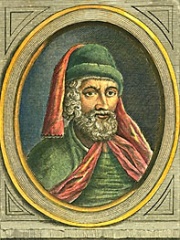
William Caxton
WRITER
1422 - 1491
HPI: 62.49
Rank: 1,928

Paul Rodgers
MUSICIAN
1949 - Present
HPI: 62.46
Rank: 1,929
Thor Vilhjálmsson
WRITER
1925 - 2011
HPI: 62.45
Rank: 1,930

Mark Fisher
PHILOSOPHER
1968 - 2017
HPI: 62.45
Rank: 1,931
Among Író In United Kingdom
Among író born in United Kingdom, Clive Barker ranks 209. Before him are Terry Eagleton (1943), Christina Rossetti (1830), Richard Adams (1920), Martin Amis (1949), Edward Young (1683), and John Skelton (1460). After him are Allen Carr (1934), William Caxton (1422), Thor Vilhjálmsson (1925), Thomas Wyatt (1503), Colin Wilson (1931), and Matthew Arnold (1822).
Terry Eagleton
1943 - Present
HPI: 62.68
Rank: 203
Christina Rossetti
1830 - 1894
HPI: 62.65
Rank: 204
Richard Adams
1920 - 2016
HPI: 62.61
Rank: 205
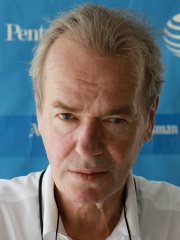
Martin Amis
1949 - 2023
HPI: 62.60
Rank: 206
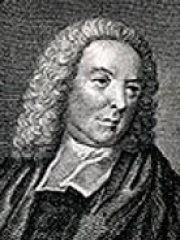
Edward Young
1683 - 1765
HPI: 62.56
Rank: 207
John Skelton
1460 - 1529
HPI: 62.55
Rank: 208
Clive Barker
1952 - Present
HPI: 62.50
Rank: 209
Allen Carr
1934 - 2006
HPI: 62.49
Rank: 210
William Caxton
1422 - 1491
HPI: 62.49
Rank: 211
Thor Vilhjálmsson
1925 - 2011
HPI: 62.45
Rank: 212
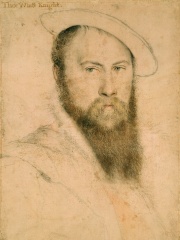
Thomas Wyatt
1503 - 1542
HPI: 62.43
Rank: 213
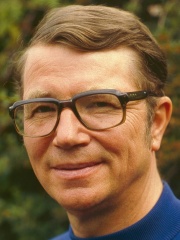
Colin Wilson
1931 - 2013
HPI: 62.43
Rank: 214
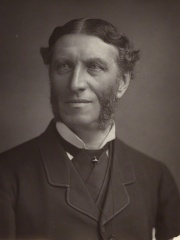
Matthew Arnold
1822 - 1888
HPI: 62.41
Rank: 215