Író
Arion
700 BC - 660 BC

 Arion
Arion
Az Arion egy ünnepelt görög költő és zeneszerző neve, a név jelentése: a gyors, az erős. Bővebben a Wikipédián
Életrajza 35 különböző nyelven érhető el a Wikipédián (növekedés 33-ről 2024-ben). Arion a 342nd legnépszerűbb író (növekedés a 420th-ről 2024-ben), a 91st legnépszerűbb életrajz Görögország országából (növekedés a 109th-ről 2019-ben) és a 11th legnépszerűbb Görögországból író.
Memorability Metrics
Page views of Arion by language
Among Író
Among író, Arion ranks 342 out of 7,302. Before him are Christine de Pizan, Mario Puzo, Friedrich Dürrenmatt, Ève Curie, Svetlana Alliluyeva, and Maurice Leblanc. After him are Archilochus, Mikhail Lermontov, Amos Oz, Eyvind Johnson, Paul Valéry, and Simonides of Ceos.
Most Popular ÍRó in Wikipedia
Go to all Rankings
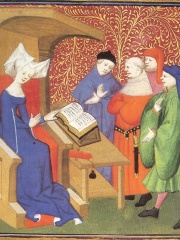
Christine de Pizan
1365 - 1430
HPI: 75.10
Rank: 336
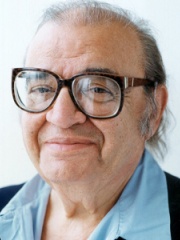
Mario Puzo
1920 - 1999
HPI: 75.09
Rank: 337
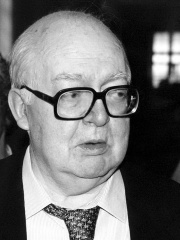
Friedrich Dürrenmatt
1921 - 1990
HPI: 75.09
Rank: 338
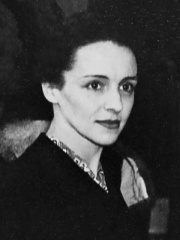
Ève Curie
1904 - 2007
HPI: 75.06
Rank: 339
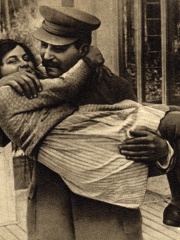
Svetlana Alliluyeva
1926 - 2011
HPI: 75.06
Rank: 340
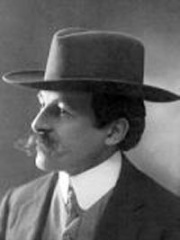
Maurice Leblanc
1864 - 1941
HPI: 75.04
Rank: 341
Arion
700 BC - 660 BC
HPI: 75.03
Rank: 342
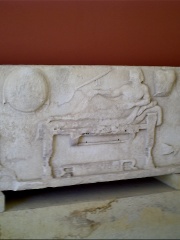
Archilochus
680 BC - 645 BC
HPI: 75.03
Rank: 343
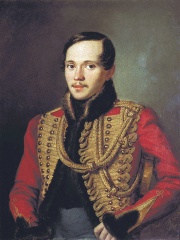
Mikhail Lermontov
1814 - 1841
HPI: 74.97
Rank: 344
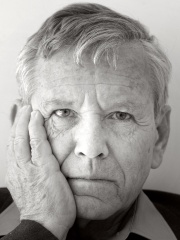
Amos Oz
1939 - 2018
HPI: 74.93
Rank: 345
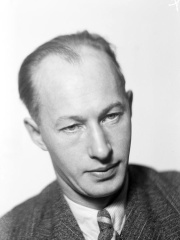
Eyvind Johnson
1900 - 1976
HPI: 74.90
Rank: 346
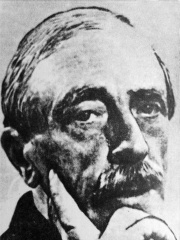
Paul Valéry
1871 - 1945
HPI: 74.86
Rank: 347
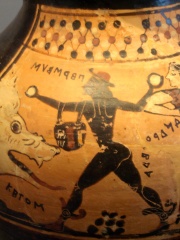
Simonides of Ceos
556 BC - 468 BC
HPI: 74.84
Rank: 348

Contemporaries
Among people born in 700 BC, Arion ranks 2. Before him is Lucius Tarquinius Priscus. After him are Sinsharishkun, Astyages, Ashur-uballit II, Psamtik I, Cyaxares, Amasis II, Jeconiah, Ashur-etil-ilani, Tyrtaeus, and Anacharsis. Among people deceased in 660 BC, Arion ranks 1. After him are Ashur-uballit II, Jeconiah, Aristomenes, and Lesches.
Others Born in 700 BC
Go to all Rankings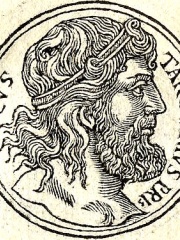
Lucius Tarquinius Priscus
POLITICIAN
700 BC - 579 BC
HPI: 77.72
Rank: 1
Arion
WRITER
700 BC - 660 BC
HPI: 75.03
Rank: 2
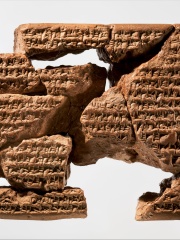
Sinsharishkun
POLITICIAN
700 BC - 612 BC
HPI: 74.19
Rank: 3
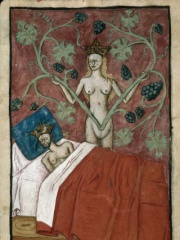
Astyages
POLITICIAN
700 BC - 600 BC
HPI: 74.02
Rank: 4

Ashur-uballit II
POLITICIAN
700 BC - 660 BC
HPI: 73.86
Rank: 5
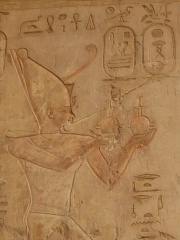
Psamtik I
POLITICIAN
700 BC - 610 BC
HPI: 73.36
Rank: 6
Cyaxares
POLITICIAN
700 BC - 584 BC
HPI: 72.79
Rank: 7
Amasis II
POLITICIAN
700 BC - 526 BC
HPI: 72.40
Rank: 8
Jeconiah
POLITICIAN
700 BC - 660 BC
HPI: 72.22
Rank: 9
Ashur-etil-ilani
POLITICIAN
700 BC - 627 BC
HPI: 71.01
Rank: 10
Tyrtaeus
WRITER
700 BC - 700 BC
HPI: 70.75
Rank: 11
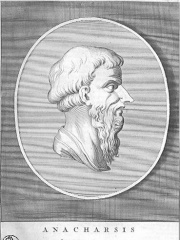
Anacharsis
PHILOSOPHER
700 BC - 600 BC
HPI: 70.65
Rank: 12
Others Deceased in 660 BC
Go to all RankingsArion
WRITER
700 BC - 660 BC
HPI: 75.03
Rank: 1
Ashur-uballit II
POLITICIAN
700 BC - 660 BC
HPI: 73.86
Rank: 2
Jeconiah
POLITICIAN
700 BC - 660 BC
HPI: 72.22
Rank: 3
Aristomenes
POLITICIAN
700 BC - 660 BC
HPI: 62.47
Rank: 4

Lesches
WRITER
700 BC - 660 BC
HPI: 59.24
Rank: 5
In Görögország
Among people born in Görögország, Arion ranks 91 out of NaN. Before him are Creon (null), Giorgio de Chirico (1888), Irene Papas (1929), Mikis Theodorakis (1925), Mardonius (-600), and Hippias (-443). After him are Archilochus (-680), Simonides of Ceos (-556), Hephaestion (-356), Philip III of Macedon (-359), Alexander of Greece (1893), and John III Doukas Vatatzes (1192).
Others born in Görögország
Go to all Rankings
Creon
POLITICIAN
HPI: 75.37
Rank: 85
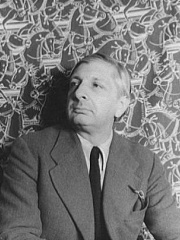
Giorgio de Chirico
PAINTER
1888 - 1978
HPI: 75.23
Rank: 86
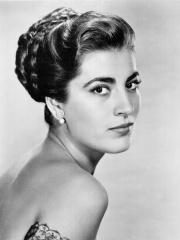
Irene Papas
ACTOR
1929 - 2022
HPI: 75.21
Rank: 87
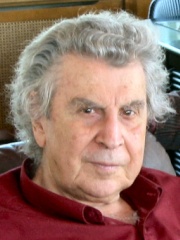
Mikis Theodorakis
COMPOSER
1925 - 2021
HPI: 75.16
Rank: 88

Mardonius
MILITARY PERSONNEL
600 BC - 479 BC
HPI: 75.10
Rank: 89

Hippias
PHILOSOPHER
443 BC - 399 BC
HPI: 75.06
Rank: 90
Arion
WRITER
700 BC - 660 BC
HPI: 75.03
Rank: 91
Archilochus
WRITER
680 BC - 645 BC
HPI: 75.03
Rank: 92
Simonides of Ceos
WRITER
556 BC - 468 BC
HPI: 74.84
Rank: 93
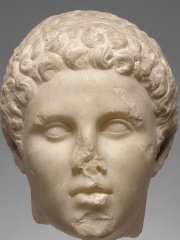
Hephaestion
MILITARY PERSONNEL
356 BC - 324 BC
HPI: 74.80
Rank: 94
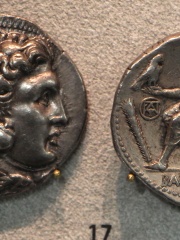
Philip III of Macedon
POLITICIAN
359 BC - 317 BC
HPI: 74.78
Rank: 95
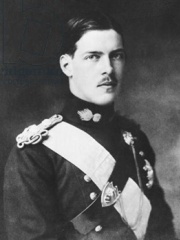
Alexander of Greece
POLITICIAN
1893 - 1920
HPI: 74.74
Rank: 96
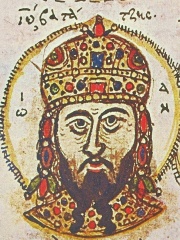
John III Doukas Vatatzes
POLITICIAN
1192 - 1254
HPI: 74.69
Rank: 97
Among Író In Görögország
Among író born in Görögország, Arion ranks 11. Before him are Aeschylus (-525), Sappho (-630), Pindar (-517), Menander (-342), Nikos Kazantzakis (1883), and Alcaeus of Mytilene (-620). After him are Archilochus (-680), Simonides of Ceos (-556), Demetrius Vikelas (1835), Phaedrus (-20), Lysias (-445), and Nâzım Hikmet (1902).
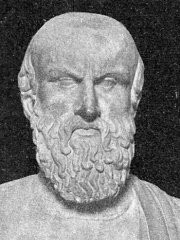
Aeschylus
525 BC - 456 BC
HPI: 83.66
Rank: 5
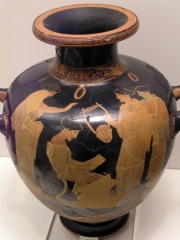
Sappho
630 BC - 570 BC
HPI: 83.03
Rank: 6
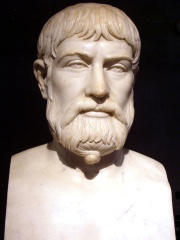
Pindar
517 BC - 437 BC
HPI: 79.03
Rank: 7
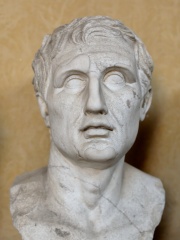
Menander
342 BC - 291 BC
HPI: 78.37
Rank: 8
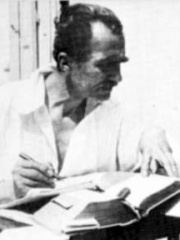
Nikos Kazantzakis
1883 - 1957
HPI: 76.70
Rank: 9
Alcaeus of Mytilene
620 BC - 560 BC
HPI: 76.62
Rank: 10
Arion
700 BC - 660 BC
HPI: 75.03
Rank: 11
Archilochus
680 BC - 645 BC
HPI: 75.03
Rank: 12
Simonides of Ceos
556 BC - 468 BC
HPI: 74.84
Rank: 13
Demetrius Vikelas
1835 - 1908
HPI: 73.34
Rank: 14
Phaedrus
20 BC - 50
HPI: 72.90
Rank: 15
Lysias
445 BC - 380 BC
HPI: 72.87
Rank: 16
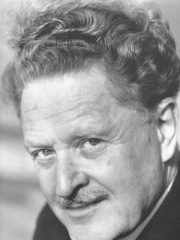
Nâzım Hikmet
1902 - 1963
HPI: 72.26
Rank: 17