Historien
Xenophon
430 BC - 354 BC
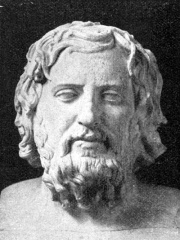
 Xenophon
Xénophon (en grec ancien Ξενοφῶν / Xenophōn) est un historien, philosophe et chef militaire de la Grèce antique né à Athènes vers 430 av. J.-C. et mort vers 355 av. J.-C. Outre l’Anabase et la Cyropédie, il a écrit une suite à l’Histoire de la guerre du Péloponnèse de Thucydide intitulée les Helléniques. Bien que citoyen d'Athènes, Xénophon est aussi l'ami de Sparte. En savoir plus sur Wikipédia
Sa biographie est disponible en 90 langues sur Wikipédia. Xenophon est le 6th historien le plus populaire (en baisse du 5th en 2024), la 30th biographie la plus populaire de Grèce (en baisse du 29th en 2019), ainsi que le 2nd historien de Grèce le plus populaire.
Memorability Metrics
Page views of Xenophon by language
Among Historiens
Among historiens, Xenophon ranks 6 out of 561. Before him are Herodotus, Ibn Khaldun, Thucydides, Sima Qian, and Tacitus. After him are Livy, Josephus, Diodorus Siculus, Alexis de Tocqueville, Polybius, and Suetonius.
Most Popular Historiens in Wikipedia
Go to all Rankings
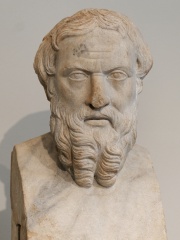
Herodotus
484 BC - 425 BC
HPI: 90.06
Rank: 1
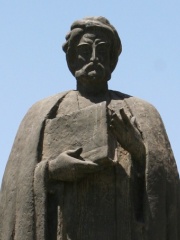
Ibn Khaldun
1332 - 1406
HPI: 86.74
Rank: 2
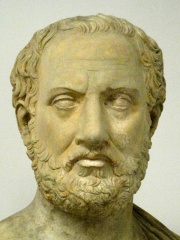
Thucydides
460 BC - 397 BC
HPI: 83.71
Rank: 3
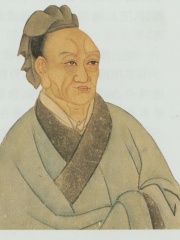
Sima Qian
145 BC - 86 BC
HPI: 83.52
Rank: 4
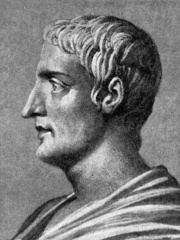
Tacitus
54 - 120
HPI: 82.21
Rank: 5
Xenophon
430 BC - 354 BC
HPI: 82.05
Rank: 6
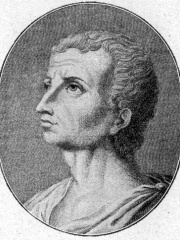
Livy
59 BC - 17
HPI: 81.96
Rank: 7
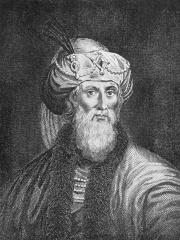
Josephus
37 - 100
HPI: 80.94
Rank: 8
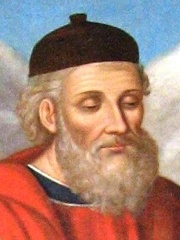
Diodorus Siculus
90 BC - 30 BC
HPI: 79.20
Rank: 9
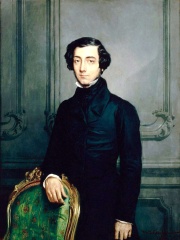
Alexis de Tocqueville
1805 - 1859
HPI: 78.33
Rank: 10
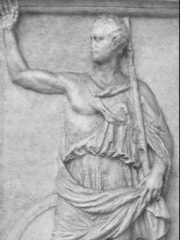
Polybius
208 BC - 126 BC
HPI: 77.83
Rank: 11
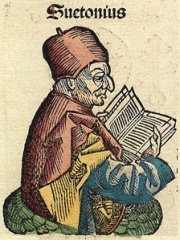
Suetonius
70 - 126
HPI: 77.79
Rank: 12

Contemporaries
Among people born in 430 BC, Xenophon ranks 1. After him are Dionysius I of Syracuse, Cynisca, Aeschines of Sphettus, and Philistus. Among people deceased in 354 BC, Xenophon ranks 1. After him are Dion of Syracuse, and Timotheus.
Others Born in 430 BC
Go to all RankingsXenophon
HISTORIAN
430 BC - 354 BC
HPI: 82.05
Rank: 1
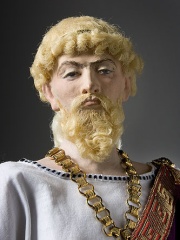
Dionysius I of Syracuse
POLITICIAN
430 BC - 366 BC
HPI: 73.43
Rank: 2

Cynisca
POLITICIAN
430 BC - 389 BC
HPI: 65.57
Rank: 3
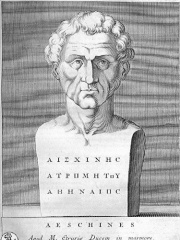
Aeschines of Sphettus
PHILOSOPHER
430 BC - 360 BC
HPI: 64.46
Rank: 4
Philistus
HISTORIAN
430 BC - 356 BC
HPI: 60.06
Rank: 5
Others Deceased in 354 BC
Go to all RankingsXenophon
HISTORIAN
430 BC - 354 BC
HPI: 82.05
Rank: 1
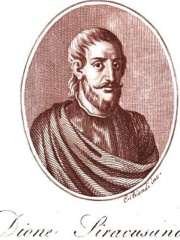
Dion of Syracuse
POLITICIAN
409 BC - 354 BC
HPI: 66.92
Rank: 2

Timotheus
POLITICIAN
400 BC - 354 BC
HPI: 60.53
Rank: 3
In Grèce
Among people born in Grèce, Xenophon ranks 30 out of NaN. Before him are Kösem Sultan (1590), Sappho (-630), Phidias (-490), Prince Philip, Duke of Edinburgh (1921), Draco (-650), and Spartacus (-109). After him are Muhammad Ali of Egypt (1769), Demosthenes (-384), Hayreddin Barbarossa (1478), Nurbanu Sultan (1525), Gorgias (-483), and Themistocles (-524).
Others born in Grèce
Go to all Rankings
Kösem Sultan
POLITICIAN
1590 - 1651
HPI: 83.07
Rank: 24
Sappho
WRITER
630 BC - 570 BC
HPI: 83.03
Rank: 25
Phidias
SCULPTOR
490 BC - 430 BC
HPI: 82.85
Rank: 26
Prince Philip, Duke of Edinburgh
NOBLEMAN
1921 - 2021
HPI: 82.77
Rank: 27
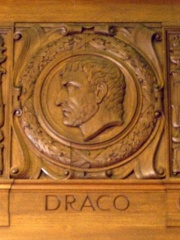
Draco
PUBLIC WORKER
650 BC - 600 BC
HPI: 82.30
Rank: 28
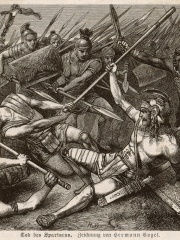
Spartacus
MILITARY PERSONNEL
109 BC - 71 BC
HPI: 82.09
Rank: 29
Xenophon
HISTORIAN
430 BC - 354 BC
HPI: 82.05
Rank: 30
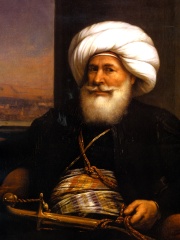
Muhammad Ali of Egypt
POLITICIAN
1769 - 1849
HPI: 81.97
Rank: 31
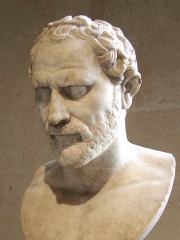
Demosthenes
POLITICIAN
384 BC - 322 BC
HPI: 81.70
Rank: 32
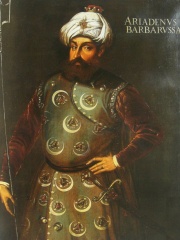
Hayreddin Barbarossa
PIRATE
1478 - 1546
HPI: 81.62
Rank: 33
Nurbanu Sultan
COMPANION
1525 - 1583
HPI: 81.39
Rank: 34
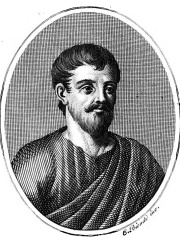
Gorgias
PHILOSOPHER
483 BC - 375 BC
HPI: 80.90
Rank: 35
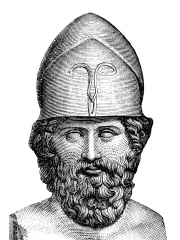
Themistocles
MILITARY PERSONNEL
524 BC - 459 BC
HPI: 80.86
Rank: 36
Among Historiens In Grèce
Among historiens born in Grèce, Xenophon ranks 2. Before him are Thucydides (-460). After him are Polybius (-208), Quintus Curtius Rufus (41), Callisthenes (-360), Theopompus (-400), Michael Glykas (1125), Afet İnan (1908), Krste Misirkov (1874), Philochorus (-340), Marsyas of Pella (-400), and Leo Allatius (1586).
Thucydides
460 BC - 397 BC
HPI: 83.71
Rank: 1
Xenophon
430 BC - 354 BC
HPI: 82.05
Rank: 2
Polybius
208 BC - 126 BC
HPI: 77.83
Rank: 3
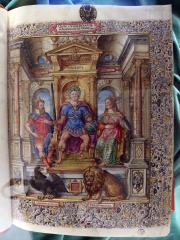
Quintus Curtius Rufus
41 - 53
HPI: 72.96
Rank: 4

Callisthenes
360 BC - 327 BC
HPI: 69.54
Rank: 5

Theopompus
400 BC - 320 BC
HPI: 69.44
Rank: 6

Michael Glykas
1125 - 1204
HPI: 64.91
Rank: 7
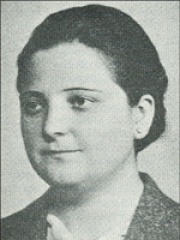
Afet İnan
1908 - 1985
HPI: 62.44
Rank: 8
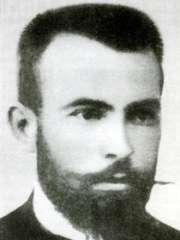
Krste Misirkov
1874 - 1926
HPI: 61.77
Rank: 9

Philochorus
340 BC - 260 BC
HPI: 60.65
Rank: 10

Marsyas of Pella
400 BC - 360 BC
HPI: 58.87
Rank: 11
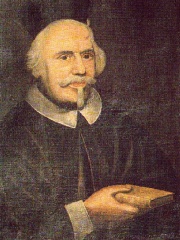
Leo Allatius
1586 - 1669
HPI: 57.12
Rank: 12