Filósofo
Adi Shankara
788 - 820
ES.WIKIPEDIA PAGE VIEWS (PV)
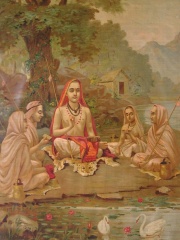
 Adi Shankara
Su biografía está disponible en 79 idiomas en Wikipedia (aumentó de 78 en 2024). Adi Shankara ocupa el puesto 168 entre los filósofo más populares (bajó del puesto 151 en 2024), el puesto 44 entre las biografías más populares de India (bajó del puesto 30 en 2019) y el puesto 7 entre los filósofo de india más populares.
Memorability Metrics
Page views of Adi Shankara by language
Among Filósofos
Among filósofos, Adi Shankara ranks 168 out of 1,267. Before him are Oswald Spengler, Paul Ricœur, Herbert Marcuse, Athanasius Kircher, Melissus of Samos, and Ferdinand Tönnies. After him are Ernst Cassirer, Jiddu Krishnamurti, Xun Kuang, Jakob Böhme, Thomas Reid, and Mikhail Bakhtin.
Most Popular Filósofos in Wikipedia
Go to all Rankings
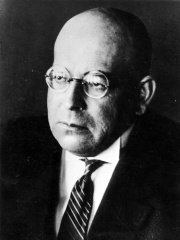
Oswald Spengler
1880 - 1936
HPI: 75.52
Rank: 162
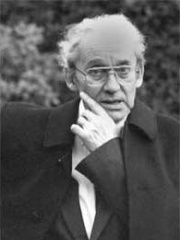
Paul Ricœur
1913 - 2005
HPI: 75.48
Rank: 163
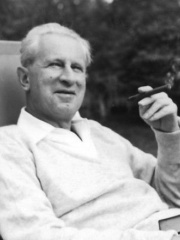
Herbert Marcuse
1898 - 1979
HPI: 75.47
Rank: 164
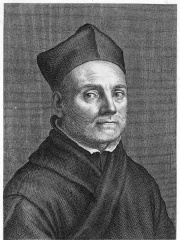
Athanasius Kircher
1602 - 1680
HPI: 75.44
Rank: 165

Melissus of Samos
470 BC - 430 BC
HPI: 75.38
Rank: 166
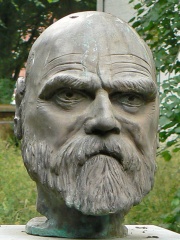
Ferdinand Tönnies
1855 - 1936
HPI: 75.37
Rank: 167
Adi Shankara
788 - 820
HPI: 75.37
Rank: 168
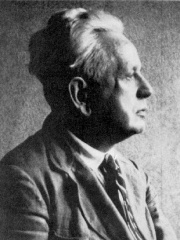
Ernst Cassirer
1874 - 1945
HPI: 75.36
Rank: 169
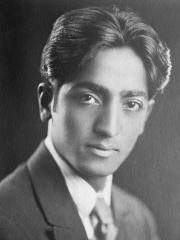
Jiddu Krishnamurti
1895 - 1986
HPI: 75.31
Rank: 170
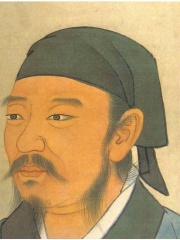
Xun Kuang
313 BC - 238 BC
HPI: 75.28
Rank: 171
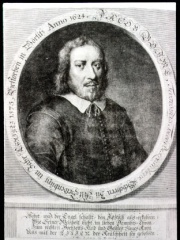
Jakob Böhme
1575 - 1624
HPI: 75.24
Rank: 172
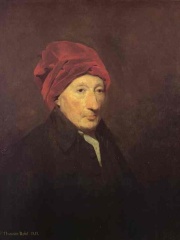
Thomas Reid
1710 - 1796
HPI: 75.18
Rank: 173

Mikhail Bakhtin
1895 - 1975
HPI: 75.17
Rank: 174

Contemporaries
Among people born in 788, Adi Shankara ranks 1. After him are Abd al-Rahman II, Methodios I of Constantinople, Abu Tammam, Ziyadat Allah I of Ifriqiya, and Boniface II, Margrave of Tuscany. Among people deceased in 820, Adi Shankara ranks 2. Before him is Al-Shafi‘i. After him are Leo V the Armenian, Emperor Xianzong of Tang, and Theodore Abu Qurrah.
Others Born in 788
Go to all RankingsAdi Shankara
PHILOSOPHER
788 - 820
HPI: 75.37
Rank: 1
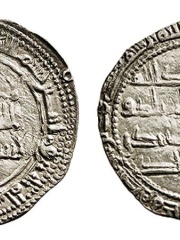
Abd al-Rahman II
POLITICIAN
788 - 852
HPI: 71.27
Rank: 2

Methodios I of Constantinople
RELIGIOUS FIGURE
788 - 847
HPI: 67.05
Rank: 3
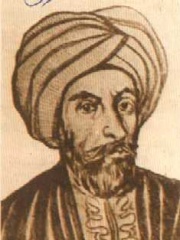
Abu Tammam
WRITER
788 - 846
HPI: 66.21
Rank: 4
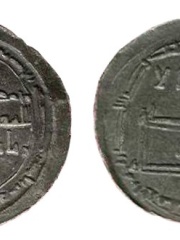
Ziyadat Allah I of Ifriqiya
POLITICIAN
788 - 838
HPI: 59.56
Rank: 5

Boniface II, Margrave of Tuscany
NOBLEMAN
788 - 838
HPI: 57.95
Rank: 6
Others Deceased in 820
Go to all Rankings
Al-Shafi‘i
LAWYER
767 - 820
HPI: 79.37
Rank: 1
Adi Shankara
PHILOSOPHER
788 - 820
HPI: 75.37
Rank: 2
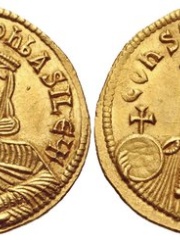
Leo V the Armenian
POLITICIAN
775 - 820
HPI: 74.36
Rank: 3

Emperor Xianzong of Tang
POLITICIAN
778 - 820
HPI: 65.91
Rank: 4
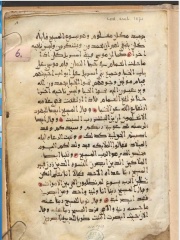
Theodore Abu Qurrah
WRITER
750 - 820
HPI: 61.51
Rank: 5
In India
Among people born in India, Adi Shankara ranks 44 out of NaN. Before him are Ramaswamy Venkataraman (1910), Venkatraman Ramakrishnan (1952), Chandragupta Maurya (-340), Valmiki (-80), Buddhaghosa (401), and Subhas Chandra Bose (1897). After him are Jiddu Krishnamurti (1895), Aryabhata (476), Sathya Sai Baba (1926), Jaggi Vasudev (1957), Raja Ravi Varma (1848), and Aishwarya Rai (1973).
Others born in India
Go to all Rankings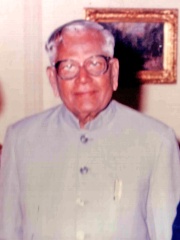
Ramaswamy Venkataraman
POLITICIAN
1910 - 2009
HPI: 76.57
Rank: 38
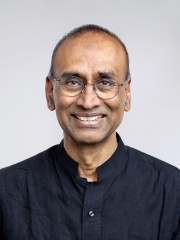
Venkatraman Ramakrishnan
CHEMIST
1952 - Present
HPI: 76.44
Rank: 39
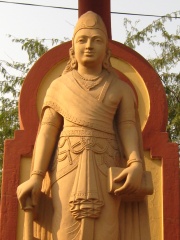
Chandragupta Maurya
POLITICIAN
340 BC - 297 BC
HPI: 76.23
Rank: 40
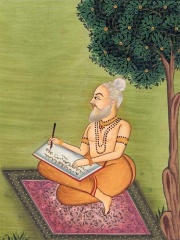
Valmiki
WRITER
80 BC - 2 BC
HPI: 76.21
Rank: 41

Buddhaghosa
PHILOSOPHER
401 - 500
HPI: 76.08
Rank: 42
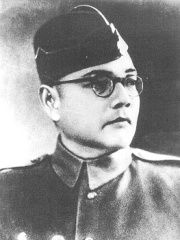
Subhas Chandra Bose
POLITICIAN
1897 - 1945
HPI: 75.85
Rank: 43
Adi Shankara
PHILOSOPHER
788 - 820
HPI: 75.37
Rank: 44
Jiddu Krishnamurti
PHILOSOPHER
1895 - 1986
HPI: 75.31
Rank: 45
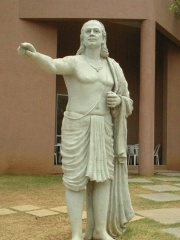
Aryabhata
ASTRONOMER
476 - 550
HPI: 75.26
Rank: 46
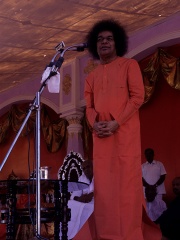
Sathya Sai Baba
RELIGIOUS FIGURE
1926 - 2011
HPI: 75.23
Rank: 47
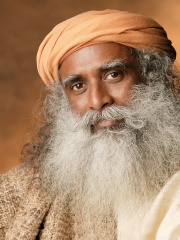
Jaggi Vasudev
WRITER
1957 - Present
HPI: 75.17
Rank: 48
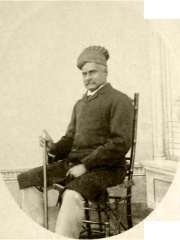
Raja Ravi Varma
PAINTER
1848 - 1906
HPI: 75.10
Rank: 49

Aishwarya Rai
ACTOR
1973 - Present
HPI: 75.07
Rank: 50
Among Filósofos In India
Among filósofos born in India, Adi Shankara ranks 7. Before him are Rajneesh (1931), Swami Vivekananda (1863), Ramakrishna (1836), Nagarjuna (150), Padmasambhava (717), and Buddhaghosa (401). After him are Jiddu Krishnamurti (1895), Ram Mohan Roy (1772), Kabir (1440), Paramahansa Yogananda (1893), Aśvaghoṣa (80), and Sri Aurobindo (1872).
Rajneesh
1931 - 1990
HPI: 83.75
Rank: 1
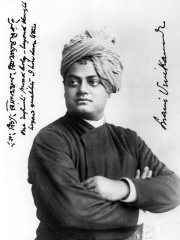
Swami Vivekananda
1863 - 1902
HPI: 82.73
Rank: 2
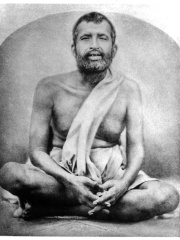
Ramakrishna
1836 - 1886
HPI: 81.84
Rank: 3

Nagarjuna
150 - 250
HPI: 80.71
Rank: 4

Padmasambhava
717 - 762
HPI: 78.07
Rank: 5
Buddhaghosa
401 - 500
HPI: 76.08
Rank: 6
Adi Shankara
788 - 820
HPI: 75.37
Rank: 7
Jiddu Krishnamurti
1895 - 1986
HPI: 75.31
Rank: 8
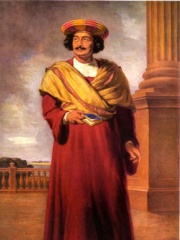
Ram Mohan Roy
1772 - 1833
HPI: 75.03
Rank: 9
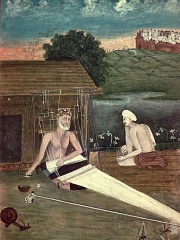
Kabir
1440 - 1518
HPI: 74.51
Rank: 10
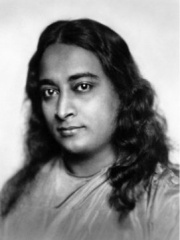
Paramahansa Yogananda
1893 - 1952
HPI: 71.62
Rank: 11
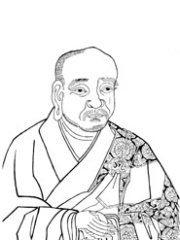
Aśvaghoṣa
80 - 150
HPI: 71.30
Rank: 12
Sri Aurobindo
1872 - 1950
HPI: 71.21
Rank: 13