Politiker
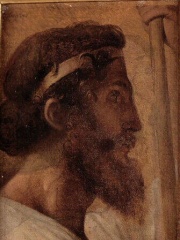
Pericles
494 BC - 429 BC
DE.WIKIPEDIA PAGE VIEWS (PV)
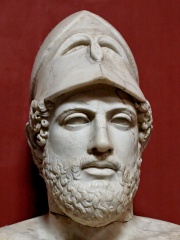
 Pericles
Perikles (altgriechisch Περικλῆς Periklḗs; * vor bzw. um 490 v. Chr.; † September 429 v. Chr.) gehörte zu den führenden Staatsmännern Athens und der griechischen Antike im 5. Mehr auf Wikipedia lesen
His biography is available in 94 different languages on Wikipedia. Pericles is the 94th most popular politiker (down from 47th in 2024), the 13th most popular biography from Greece (down from 10th in 2019) and the 3rd most popular Greek Politiker.
Pericles is most famous for his leadership of Athens during the Peloponnesian War. He is also well known for his funeral oration, which is one of the most famous speeches in history.
Memorability Metrics
Page views of Pericles by language
Among Politikers
Among politikers, Pericles ranks 94 out of 19,576. Before him are Ögedei Khan, Hannibal, Solon, George IV of the United Kingdom, Richard I of England, and Josip Broz Tito. After him are Ronald Reagan, Queen Victoria, Mary II of England, Geta, Caligula, and Leon Trotsky.
Most Popular Politikers in Wikipedia
Go to all Rankings
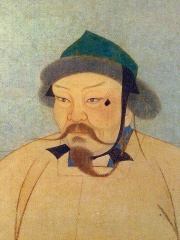
Ögedei Khan
1185 - 1241
HPI: 86.62
Rank: 88
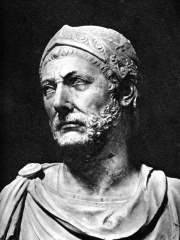
Hannibal
247 BC - 183 BC
HPI: 86.62
Rank: 89
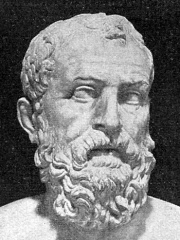
Solon
638 BC - 558 BC
HPI: 86.59
Rank: 90
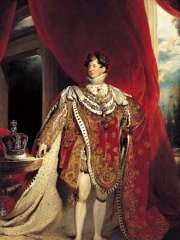
George IV of the United Kingdom
1762 - 1830
HPI: 86.56
Rank: 91
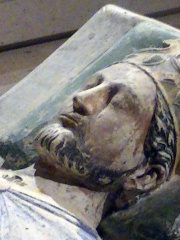
Richard I of England
1157 - 1199
HPI: 86.55
Rank: 92
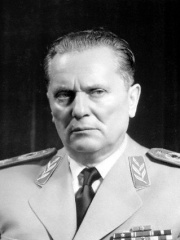
Josip Broz Tito
1892 - 1980
HPI: 86.53
Rank: 93
Pericles
494 BC - 429 BC
HPI: 86.36
Rank: 94
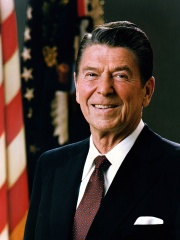
Ronald Reagan
1911 - 2004
HPI: 86.36
Rank: 95
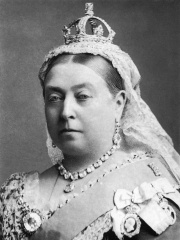
Queen Victoria
1819 - 1901
HPI: 86.29
Rank: 96
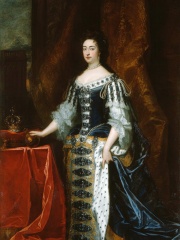
Mary II of England
1662 - 1694
HPI: 86.29
Rank: 97
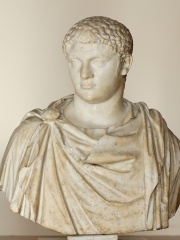
Geta
189 - 211
HPI: 86.28
Rank: 98
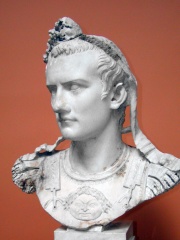
Caligula
12 - 41
HPI: 86.28
Rank: 99
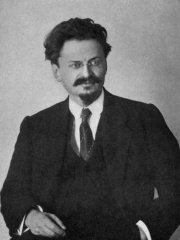
Leon Trotsky
1879 - 1940
HPI: 86.25
Rank: 100

Contemporaries
Among people born in 494 BC, Pericles ranks 1. Among people deceased in 429 BC, Pericles ranks 1.
Others Born in 494 BC
Go to all RankingsOthers Deceased in 429 BC
Go to all RankingsIn Greece
Among people born in Greece, Pericles ranks 13 out of 1,024. Before him are Mustafa Kemal Atatürk (1881), Hippocrates (-460), Sophocles (-497), Democritus (-460), Epicurus (-341), and Solon (-638). After him are Aristophanes (-448), El Greco (1541), Euripides (-480), Saint Stephen (1), Thucydides (-460), and Aeschylus (-525).
Others born in Greece
Go to all Rankings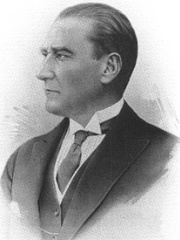
Mustafa Kemal Atatürk
POLITICIAN
1881 - 1938
HPI: 91.26
Rank: 7
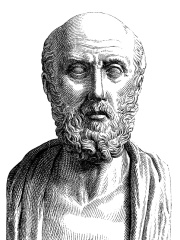
Hippocrates
PHYSICIAN
460 BC - 370 BC
HPI: 90.19
Rank: 8
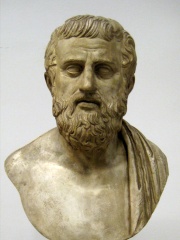
Sophocles
WRITER
497 BC - 406 BC
HPI: 89.32
Rank: 9
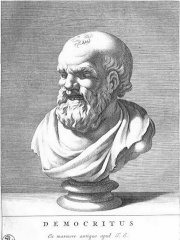
Democritus
PHILOSOPHER
460 BC - 360 BC
HPI: 86.85
Rank: 10
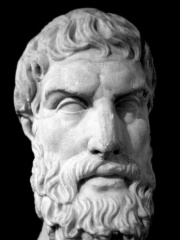
Epicurus
PHILOSOPHER
341 BC - 269 BC
HPI: 86.65
Rank: 11
Solon
POLITICIAN
638 BC - 558 BC
HPI: 86.59
Rank: 12
Pericles
POLITICIAN
494 BC - 429 BC
HPI: 86.36
Rank: 13
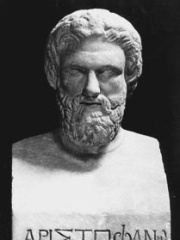
Aristophanes
WRITER
448 BC - 386 BC
HPI: 84.47
Rank: 14
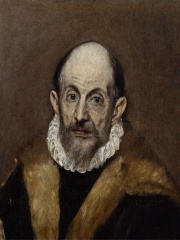
El Greco
PAINTER
1541 - 1614
HPI: 84.26
Rank: 15
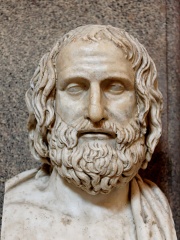
Euripides
WRITER
480 BC - 406 BC
HPI: 84.12
Rank: 16
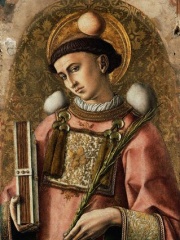
Saint Stephen
RELIGIOUS FIGURE
1 - 36
HPI: 84.00
Rank: 17
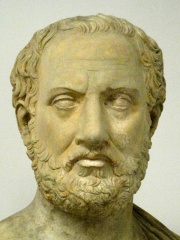
Thucydides
HISTORIAN
460 BC - 397 BC
HPI: 83.71
Rank: 18
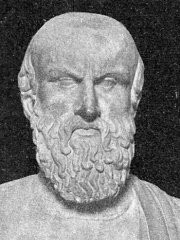
Aeschylus
WRITER
525 BC - 456 BC
HPI: 83.66
Rank: 19
Among Politikers In Greece
Among politikers born in Greece, Pericles ranks 3. Before him are Mustafa Kemal Atatürk (1881), and Solon (-638). After him are Bayezid II (1447), Philip II of Macedon (-382), Kösem Sultan (1590), Muhammad Ali of Egypt (1769), Demosthenes (-384), Cleisthenes (-565), Lycurgus of Sparta (-800), Leonidas I (-540), and Peisistratos (-600).
Mustafa Kemal Atatürk
1881 - 1938
HPI: 91.26
Rank: 1
Solon
638 BC - 558 BC
HPI: 86.59
Rank: 2
Pericles
494 BC - 429 BC
HPI: 86.36
Rank: 3
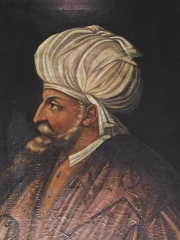
Bayezid II
1447 - 1512
HPI: 83.64
Rank: 4
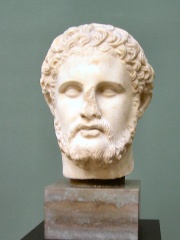
Philip II of Macedon
382 BC - 336 BC
HPI: 83.15
Rank: 5
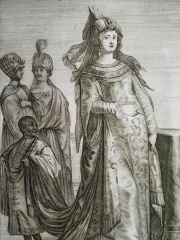
Kösem Sultan
1590 - 1651
HPI: 83.07
Rank: 6
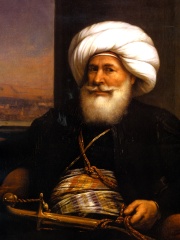
Muhammad Ali of Egypt
1769 - 1849
HPI: 81.97
Rank: 7
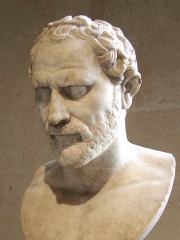
Demosthenes
384 BC - 322 BC
HPI: 81.70
Rank: 8
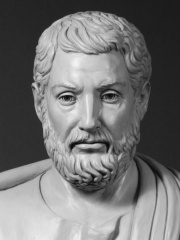
Cleisthenes
565 BC - 492 BC
HPI: 80.84
Rank: 9
Lycurgus of Sparta
800 BC - 730 BC
HPI: 80.63
Rank: 10
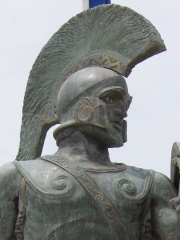
Leonidas I
540 BC - 480 BC
HPI: 80.62
Rank: 11
Peisistratos
600 BC - 527 BC
HPI: 80.22
Rank: 12