Religiöse Persönlichkeit
Parshvanatha
872 BC - 772 BC
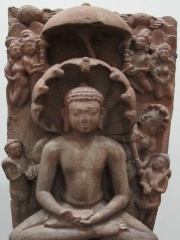
 Parshvanatha
Parshvanatha was a religiöse persönlichkeit born in 872 BC in , which is now part of modern day Varanasi, India. Parshvanatha died at 100 years old in NaN.
His biography is available in 23 different languages on Wikipedia. Parshvanatha is the 1,138th most popular religiöse persönlichkeit (up from 1,181st in 2024), the 219th most popular biography from India (down from 206th in 2019) and the 24th most popular Indian Religiöse Persönlichkeit.
Memorability Metrics
Page views of Parshvanatha by language
Among Religiöse Persönlichkeits
Among religiöse persönlichkeits, Parshvanatha ranks 1,138 out of 3,187. Before him are Lars Levi Laestadius, Ibn Sa'd, Mariam Baouardy, Pierbattista Pizzaballa, Anthony Mary Claret, and Jānis Pujats. After him are Johann Eck, Ram, Gregorio Pietro Agagianian, Wilton Daniel Gregory, Henry Benedict Stuart, and Kurt Koch.
Most Popular Religiöse Persönlichkeits in Wikipedia
Go to all Rankings
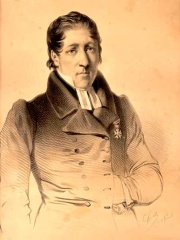
Lars Levi Laestadius
1800 - 1861
HPI: 65.86
Rank: 1,132

Ibn Sa'd
784 - 845
HPI: 65.86
Rank: 1,133
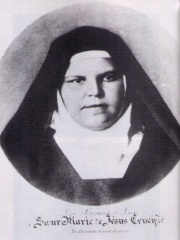
Mariam Baouardy
1846 - 1878
HPI: 65.86
Rank: 1,134
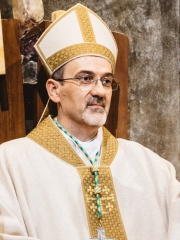
Pierbattista Pizzaballa
1965 - Present
HPI: 65.85
Rank: 1,135
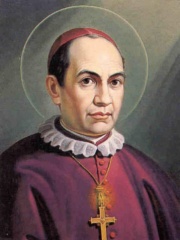
Anthony Mary Claret
1807 - 1870
HPI: 65.84
Rank: 1,136
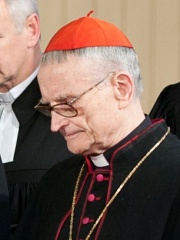
Jānis Pujats
1930 - Present
HPI: 65.83
Rank: 1,137
Parshvanatha
872 BC - 772 BC
HPI: 65.82
Rank: 1,138
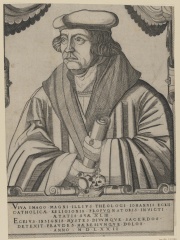
Johann Eck
1486 - 1543
HPI: 65.81
Rank: 1,139

Ram
HPI: 65.81
Rank: 1,140
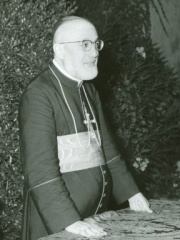
Gregorio Pietro Agagianian
1895 - 1971
HPI: 65.80
Rank: 1,141
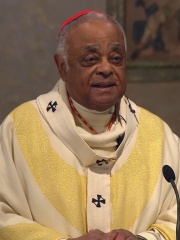
Wilton Daniel Gregory
1947 - Present
HPI: 65.80
Rank: 1,142
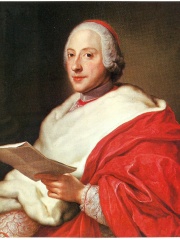
Henry Benedict Stuart
1725 - 1807
HPI: 65.79
Rank: 1,143
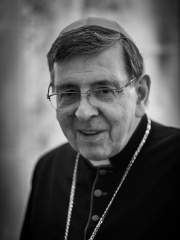
Kurt Koch
1950 - Present
HPI: 65.78
Rank: 1,144

Contemporaries
Among people born in 872 BC, Parshvanatha ranks 1. Among people deceased in 772 BC, Parshvanatha ranks 1. After him is Shalmaneser IV.
Others Born in 872 BC
Go to all RankingsOthers Deceased in 772 BC
Go to all RankingsParshvanatha
RELIGIOUS FIGURE
872 BC - 772 BC
HPI: 65.82
Rank: 1

Shalmaneser IV
POLITICIAN
900 BC - 772 BC
HPI: 62.74
Rank: 2
In India
Among people born in India, Parshvanatha ranks 219 out of 1,861. Before him are Chandrashekhar Agashe (1888), Shah Shuja (1616), Vidyapati (1352), Siraj ud-Daulah (1733), Deepak Chopra (1946), and Mumtaz (1947). After him are Sikandar Lodi (1450), Madhvacharya (1199), Sivananda Saraswati (1887), James Brooke (1803), Khaleda Zia (1945), and Vinoba Bhave (1895).
Others born in India
Go to all Rankings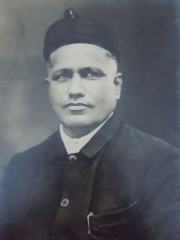
Chandrashekhar Agashe
BUSINESSPERSON
1888 - 1956
HPI: 66.06
Rank: 213
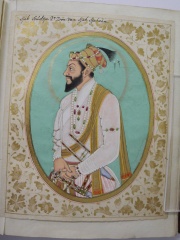
Shah Shuja
POLITICIAN
1616 - 1661
HPI: 65.97
Rank: 214
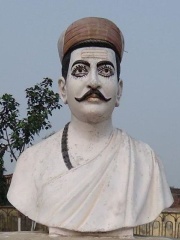
Vidyapati
WRITER
1352 - 1448
HPI: 65.96
Rank: 215
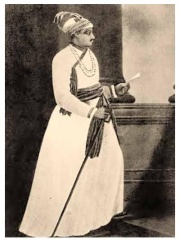
Siraj ud-Daulah
POLITICIAN
1733 - 1757
HPI: 65.91
Rank: 216
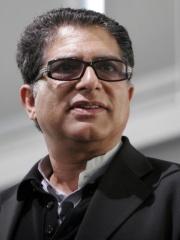
Deepak Chopra
WRITER
1946 - Present
HPI: 65.85
Rank: 217

Mumtaz
ACTOR
1947 - Present
HPI: 65.83
Rank: 218
Parshvanatha
RELIGIOUS FIGURE
872 BC - 772 BC
HPI: 65.82
Rank: 219
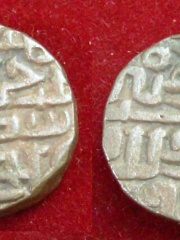
Sikandar Lodi
POLITICIAN
1450 - 1517
HPI: 65.82
Rank: 220
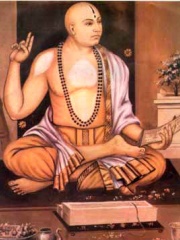
Madhvacharya
PHILOSOPHER
1199 - 1278
HPI: 65.81
Rank: 221
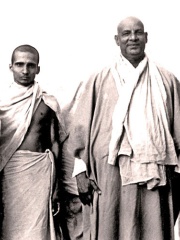
Sivananda Saraswati
PHILOSOPHER
1887 - 1963
HPI: 65.75
Rank: 222
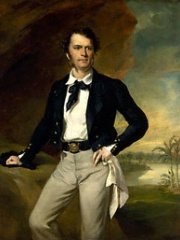
James Brooke
POLITICIAN
1803 - 1868
HPI: 65.72
Rank: 223
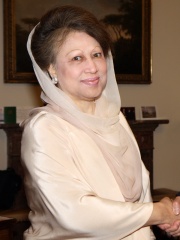
Khaleda Zia
POLITICIAN
1945 - Present
HPI: 65.68
Rank: 224
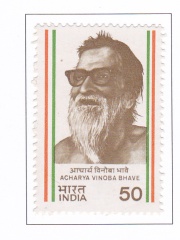
Vinoba Bhave
SOCIAL ACTIVIST
1895 - 1982
HPI: 65.67
Rank: 225
Among Religiöse Persönlichkeits In India
Among religiöse persönlichkeits born in India, Parshvanatha ranks 24. Before him are George Alencherry (1945), Anthony de Mello (1931), Maharishi Mahesh Yogi (1918), Mata Amritanandamayi (1953), Mahavatar Babaji (1900), and Nirmala Joshi (1934). After him are Sai Baba of Shirdi (1835), Jayadeva (1170), Śāntarakṣita (725), Abbé Faria (1756), Joseph Coutts (1945), and Meher Baba (1894).
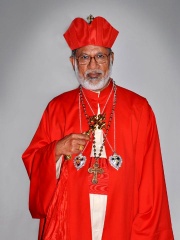
George Alencherry
1945 - Present
HPI: 67.56
Rank: 18
Anthony de Mello
1931 - 1987
HPI: 67.38
Rank: 19
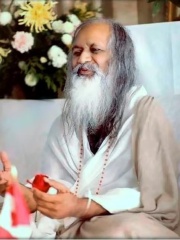
Maharishi Mahesh Yogi
1918 - 2008
HPI: 67.27
Rank: 20
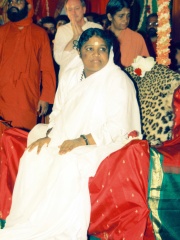
Mata Amritanandamayi
1953 - Present
HPI: 67.10
Rank: 21
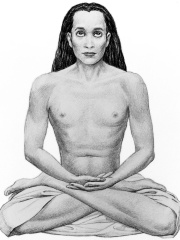
Mahavatar Babaji
1900 - Present
HPI: 66.55
Rank: 22

Nirmala Joshi
1934 - 2015
HPI: 66.47
Rank: 23
Parshvanatha
872 BC - 772 BC
HPI: 65.82
Rank: 24
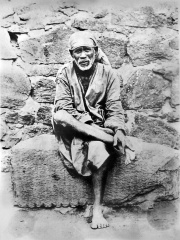
Sai Baba of Shirdi
1835 - 1918
HPI: 65.49
Rank: 25
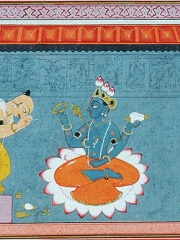
Jayadeva
1170 - 1245
HPI: 65.40
Rank: 26

Śāntarakṣita
725 - 788
HPI: 64.39
Rank: 27
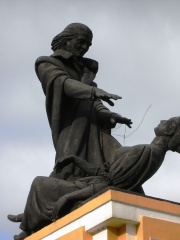
Abbé Faria
1756 - 1819
HPI: 63.63
Rank: 28
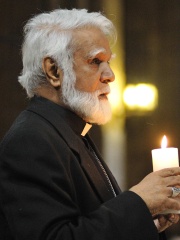
Joseph Coutts
1945 - Present
HPI: 63.30
Rank: 29
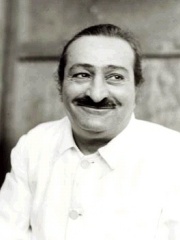
Meher Baba
1894 - 1969
HPI: 63.11
Rank: 30