Politician
Shalmaneser IV
900 BC - 772 BC
EN.WIKIPEDIA PAGE VIEWS (PV)

 Shalmaneser IV
His biography is available in 28 different languages on Wikipedia. Shalmaneser IV is the 8,457th most popular politician (down from 6,891st in 2024), the 205th most popular biography from Iraq (down from 193rd in 2019) and the 132nd most popular Iraqi Politician.
Memorability Metrics
Page views of Shalmaneser IV by language
Among Politicians
Among politicians, Shalmaneser IV ranks 8,457 out of 19,576. Before him are José Manuel Balmaceda, Henry II, Duke of Guise, Gerhard Klopfer, William I of Provence, Gilukhipa, and Sobekhotep III. After him are Tushratta, Cicero Minor, Anacaona, Nguyễn Cao Kỳ, Bohemond VI of Antioch, and Amanishakheto.
Most Popular Politicians in Wikipedia
Go to all Rankings
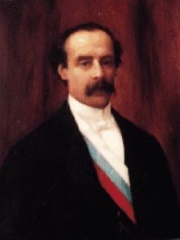
José Manuel Balmaceda
1840 - 1891
HPI: 62.75
Rank: 8,455
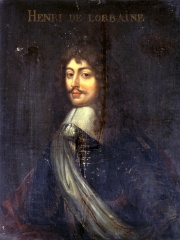
Henry II, Duke of Guise
1614 - 1664
HPI: 62.75
Rank: 8,456
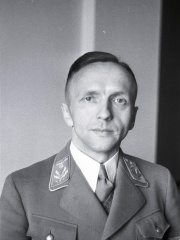
Gerhard Klopfer
1905 - 1987
HPI: 62.75
Rank: 8,457

William I of Provence
950 - 993
HPI: 62.75
Rank: 8,458
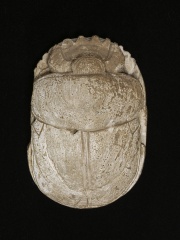
Gilukhipa
1390 BC - 1400 BC
HPI: 62.75
Rank: 8,459
Sobekhotep III
1800 BC - 1800 BC
HPI: 62.75
Rank: 8,460
Shalmaneser IV
900 BC - 772 BC
HPI: 62.74
Rank: 8,461
Tushratta
1500 BC - 1340 BC
HPI: 62.74
Rank: 8,462

Cicero Minor
65 BC - Present
HPI: 62.74
Rank: 8,463
Anacaona
1474 - Present
HPI: 62.74
Rank: 8,464
Nguyễn Cao Kỳ
1930 - 2011
HPI: 62.74
Rank: 8,465

Bohemond VI of Antioch
1237 - 1275
HPI: 62.74
Rank: 8,466
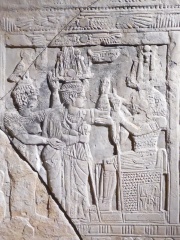
Amanishakheto
100 BC - 100 BC
HPI: 62.74
Rank: 8,467

Contemporaries
Among people born in 900 BC, Shalmaneser IV ranks 22. Before him are Shammuramat, Takelot II, Alara of Nubia, Shoshenq IV, Ishpuini of Urartu, and Ashur-dan III. After him are Sarduri I, Pedubast I, Arame of Urartu, Osorkon III, Pami, and Ben-Hadad III. Among people deceased in 772 BC, Shalmaneser IV ranks 2. Before him is Parshvanatha.
Others Born in 900 BC
Go to all Rankings
Shammuramat
POLITICIAN
900 BC - 800 BC
HPI: 65.33
Rank: 16
Takelot II
POLITICIAN
900 BC - 825 BC
HPI: 65.32
Rank: 17
Alara of Nubia
POLITICIAN
900 BC - 765 BC
HPI: 65.13
Rank: 18
Shoshenq IV
POLITICIAN
900 BC - 785 BC
HPI: 64.74
Rank: 19
Ishpuini of Urartu
POLITICIAN
900 BC - 810 BC
HPI: 64.29
Rank: 20

Ashur-dan III
POLITICIAN
900 BC - 754 BC
HPI: 63.35
Rank: 21
Shalmaneser IV
POLITICIAN
900 BC - 772 BC
HPI: 62.74
Rank: 22
Sarduri I
POLITICIAN
900 BC - 828 BC
HPI: 62.72
Rank: 23
Pedubast I
POLITICIAN
900 BC - 793 BC
HPI: 62.43
Rank: 24

Arame of Urartu
POLITICIAN
900 BC - 844 BC
HPI: 62.40
Rank: 25
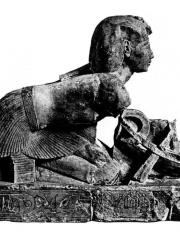
Osorkon III
POLITICIAN
900 BC - 758 BC
HPI: 61.09
Rank: 26
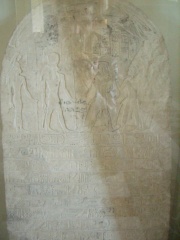
Pami
RELIGIOUS FIGURE
900 BC - 800 BC
HPI: 59.65
Rank: 27
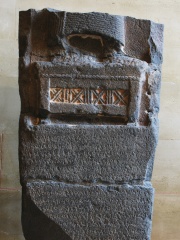
Ben-Hadad III
POLITICIAN
900 BC - 800 BC
HPI: 58.74
Rank: 28
Others Deceased in 772 BC
Go to all Rankings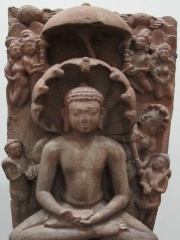
Parshvanatha
RELIGIOUS FIGURE
872 BC - 772 BC
HPI: 65.82
Rank: 1
Shalmaneser IV
POLITICIAN
900 BC - 772 BC
HPI: 62.74
Rank: 2
In Iraq
Among people born in Iraq, Shalmaneser IV ranks 205 out of NaN. Before him are Muhammad ibn Tughj al-Ikhshid (882), Alulim (null), Aphrahat (280), Nadira (1932), Muhammad Baqir al-Sadr (1935), and Abu Omar al-Baghdadi (1959). After him are Uday Hussein (1964), Muhammad Saeed al-Sahhaf (1940), Manishtushu (null), Shar-Kali-Sharri (null), An Shigao (101), and Ghazi Mashal Ajil al-Yawer (1958).
Others born in Iraq
Go to all Rankings
Muhammad ibn Tughj al-Ikhshid
POLITICIAN
882 - 946
HPI: 63.07
Rank: 199
Alulim
POLITICIAN
HPI: 63.04
Rank: 200

Aphrahat
WRITER
280 - 346
HPI: 62.99
Rank: 201

Nadira
ACTOR
1932 - 2006
HPI: 62.95
Rank: 202
Muhammad Baqir al-Sadr
RELIGIOUS FIGURE
1935 - 1980
HPI: 62.91
Rank: 203
Abu Omar al-Baghdadi
POLITICIAN
1959 - 2010
HPI: 62.83
Rank: 204
Shalmaneser IV
POLITICIAN
900 BC - 772 BC
HPI: 62.74
Rank: 205

Uday Hussein
POLITICIAN
1964 - 2003
HPI: 62.65
Rank: 206
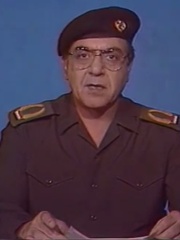
Muhammad Saeed al-Sahhaf
POLITICIAN
1940 - Present
HPI: 62.65
Rank: 207
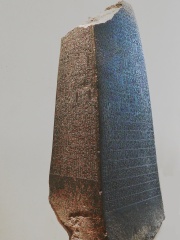
Manishtushu
POLITICIAN
HPI: 62.61
Rank: 208
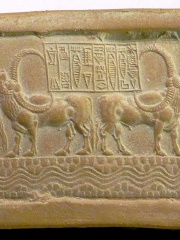
Shar-Kali-Sharri
POLITICIAN
HPI: 62.61
Rank: 209

An Shigao
RELIGIOUS FIGURE
101 - 168
HPI: 62.57
Rank: 210
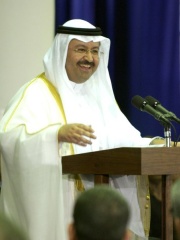
Ghazi Mashal Ajil al-Yawer
POLITICIAN
1958 - Present
HPI: 62.37
Rank: 211
Among Politicians In Iraq
Among politicians born in Iraq, Shalmaneser IV ranks 132. Before him are Bethuel (null), Kubaba (-2500), Dudu of Akkad (-2300), Muhammad ibn Tughj al-Ikhshid (882), Alulim (null), and Abu Omar al-Baghdadi (1959). After him are Uday Hussein (1964), Muhammad Saeed al-Sahhaf (1940), Manishtushu (null), Shar-Kali-Sharri (null), Ghazi Mashal Ajil al-Yawer (1958), and Sa'dun Hammadi (1930).
Bethuel
HPI: 63.97
Rank: 126
Kubaba
2500 BC - 2400 BC
HPI: 63.64
Rank: 127
Dudu of Akkad
2300 BC - 2200 BC
HPI: 63.29
Rank: 128
Muhammad ibn Tughj al-Ikhshid
882 - 946
HPI: 63.07
Rank: 129
Alulim
HPI: 63.04
Rank: 130
Abu Omar al-Baghdadi
1959 - 2010
HPI: 62.83
Rank: 131
Shalmaneser IV
900 BC - 772 BC
HPI: 62.74
Rank: 132
Uday Hussein
1964 - 2003
HPI: 62.65
Rank: 133
Muhammad Saeed al-Sahhaf
1940 - Present
HPI: 62.65
Rank: 134
Manishtushu
HPI: 62.61
Rank: 135
Shar-Kali-Sharri
HPI: 62.61
Rank: 136
Ghazi Mashal Ajil al-Yawer
1958 - Present
HPI: 62.37
Rank: 137
Sa'dun Hammadi
1930 - 2007
HPI: 62.14
Rank: 138