Philosoph
Cleanthes
330 BC - 232 BC
DE.WIKIPEDIA PAGE VIEWS (PV)
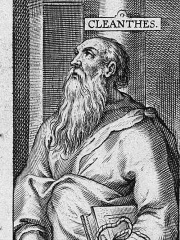
 Cleanthes
Kleanthes (altgriechisch Κλεάνθης Kleánthēs, * ca. 331 v. Chr. oder später in Assos in der Troas, heute Westtürkei; † ca. Mehr auf Wikipedia lesen
Seine Biografie ist in 42 verschiedenen Sprachen auf Wikipedia verfügbar (gestiegen von 39 im Jahr 2024). Cleanthes ist der 251st beliebteste Philosoph (gesunken vom 235th im Jahr 2024), die 247th beliebteste Biografie aus Türkei (gesunken vom 224th im Jahr 2019) und der 20th beliebteste aus der Türkei Philosoph.
Memorability Metrics
Page views of Cleanthes by language
Among Philosophs
Among philosophs, Cleanthes ranks 251 out of 1,267. Before him are George Herbert Mead, Pelagius, Pseudo-Dionysius the Areopagite, Shen Kuo, Imre Lakatos, and Bias of Priene. After him are Adam Weishaupt, Cratylus, Isaiah Berlin, Arcesilaus, Roger Garaudy, and Pherecydes of Syros.
Most Popular Philosophs in Wikipedia
Go to all Rankings
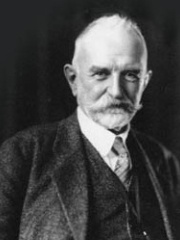
George Herbert Mead
1863 - 1931
HPI: 72.41
Rank: 245
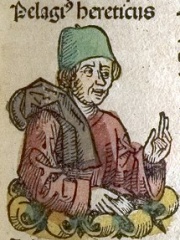
Pelagius
360 - 420
HPI: 72.38
Rank: 246
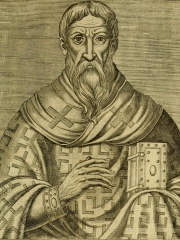
Pseudo-Dionysius the Areopagite
500 - 510
HPI: 72.34
Rank: 247
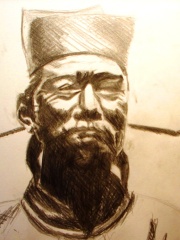
Shen Kuo
1031 - 1095
HPI: 72.33
Rank: 248
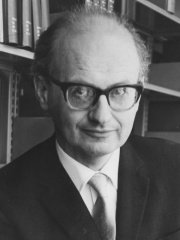
Imre Lakatos
1922 - 1974
HPI: 72.32
Rank: 249
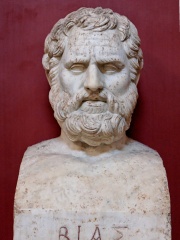
Bias of Priene
600 BC - 530 BC
HPI: 72.32
Rank: 250
Cleanthes
330 BC - 232 BC
HPI: 72.30
Rank: 251
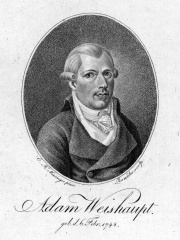
Adam Weishaupt
1748 - 1830
HPI: 72.25
Rank: 252

Cratylus
500 BC - Present
HPI: 72.22
Rank: 253
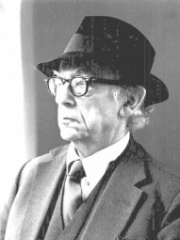
Isaiah Berlin
1909 - 1997
HPI: 72.20
Rank: 254
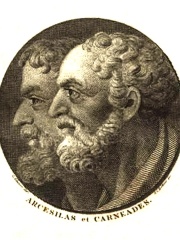
Arcesilaus
315 BC - 240 BC
HPI: 72.20
Rank: 255
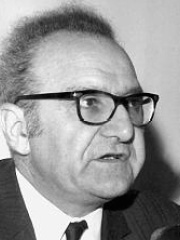
Roger Garaudy
1913 - 2012
HPI: 72.15
Rank: 256
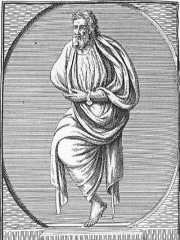
Pherecydes of Syros
580 BC - 520 BC
HPI: 72.10
Rank: 257

Contemporaries
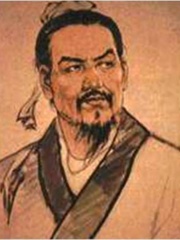
Among people born in 330 BC, Cleanthes ranks 1. After him are Euhemerus, and Zenodotus. Among people deceased in 232 BC, Cleanthes ranks 3. Before him are Ashoka, and Han Fei.
Others Born in 330 BC
Go to all RankingsCleanthes
PHILOSOPHER
330 BC - 232 BC
HPI: 72.30
Rank: 1

Euhemerus
HISTORIAN
330 BC - 250 BC
HPI: 70.70
Rank: 2

Zenodotus
WRITER
330 BC - 260 BC
HPI: 68.83
Rank: 3
Others Deceased in 232 BC
Go to all Rankings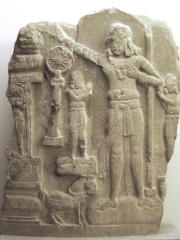
In Türkei
Among people born in Türkei, Cleanthes ranks 247 out of NaN. Before him are Romanos III Argyros (968), Hippodamus of Miletus (-498), Novatian (220), Sabbas the Sanctified (439), Elia Kazan (1909), and Bias of Priene (-600). After him are Laban (-1900), Nikephoros III Botaneiates (1002), Arcesilaus (-315), Uzun Hasan (1423), Herophilos (-335), and Ahmet Necdet Sezer (1941).
Others born in Türkei
Go to all Rankings
Romanos III Argyros
POLITICIAN
968 - 1034
HPI: 72.53
Rank: 241
Hippodamus of Miletus
ARCHITECT
498 BC - 408 BC
HPI: 72.46
Rank: 242

Novatian
WRITER
220 - 258
HPI: 72.46
Rank: 243
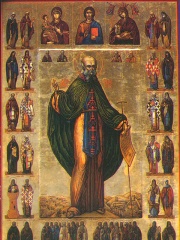
Sabbas the Sanctified
RELIGIOUS FIGURE
439 - 532
HPI: 72.39
Rank: 244
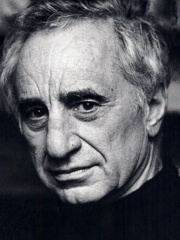
Elia Kazan
FILM DIRECTOR
1909 - 2003
HPI: 72.33
Rank: 245
Bias of Priene
PHILOSOPHER
600 BC - 530 BC
HPI: 72.32
Rank: 246
Cleanthes
PHILOSOPHER
330 BC - 232 BC
HPI: 72.30
Rank: 247
Laban
RELIGIOUS FIGURE
1900 BC - Present
HPI: 72.30
Rank: 248
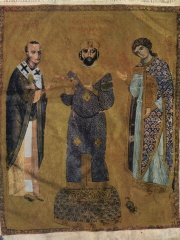
Nikephoros III Botaneiates
POLITICIAN
1002 - 1081
HPI: 72.27
Rank: 249
Arcesilaus
PHILOSOPHER
315 BC - 240 BC
HPI: 72.20
Rank: 250
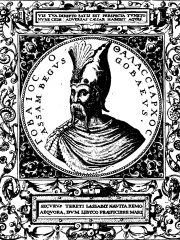
Uzun Hasan
POLITICIAN
1423 - 1478
HPI: 72.19
Rank: 251
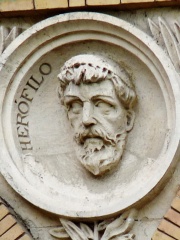
Herophilos
PHYSICIAN
335 BC - 280 BC
HPI: 72.17
Rank: 252
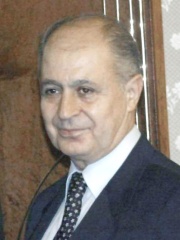
Ahmet Necdet Sezer
POLITICIAN
1941 - Present
HPI: 72.15
Rank: 253
Among Philosophs In Türkei
Among philosophs born in Türkei, Cleanthes ranks 20. Before him are Posidonius (-135), Gemistus Pletho (1355), Apollonius of Tyana (15), Xenocrates (-396), Michael Psellos (1018), and Bias of Priene (-600). After him are Arcesilaus (-315), Priscus (410), Alexander of Aphrodisias (200), Strato of Lampsacus (-335), Heraclides Ponticus (-385), and Gennadius Scholarius (1400).
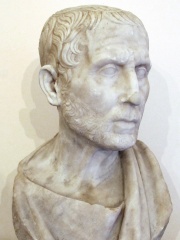
Posidonius
135 BC - 51 BC
HPI: 75.13
Rank: 14
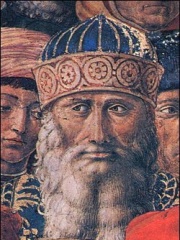
Gemistus Pletho
1355 - 1452
HPI: 74.66
Rank: 15
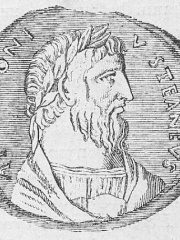
Apollonius of Tyana
15 - 100
HPI: 74.50
Rank: 16
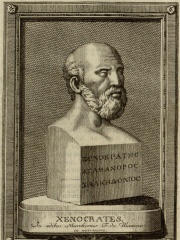
Xenocrates
396 BC - 314 BC
HPI: 73.16
Rank: 17
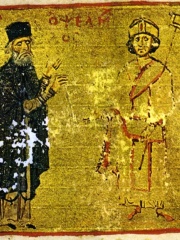
Michael Psellos
1018 - 1078
HPI: 72.64
Rank: 18
Bias of Priene
600 BC - 530 BC
HPI: 72.32
Rank: 19
Cleanthes
330 BC - 232 BC
HPI: 72.30
Rank: 20
Arcesilaus
315 BC - 240 BC
HPI: 72.20
Rank: 21

Priscus
410 - 471
HPI: 71.23
Rank: 22
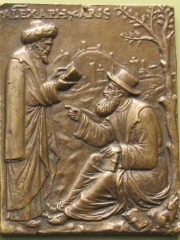
Alexander of Aphrodisias
200 - 215
HPI: 71.01
Rank: 23
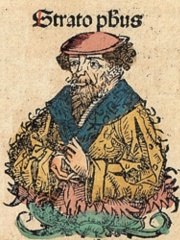
Strato of Lampsacus
335 BC - 269 BC
HPI: 70.83
Rank: 24

Heraclides Ponticus
385 BC - 322 BC
HPI: 70.81
Rank: 25
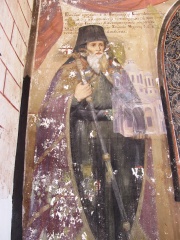
Gennadius Scholarius
1400 - 1473
HPI: 70.01
Rank: 26