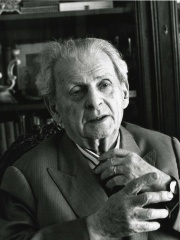
Philosoph
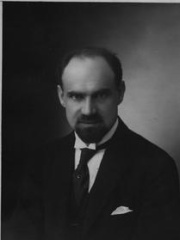
Abram Deborin
1881 - 1963
DE.WIKIPEDIA PAGE VIEWS (PV)

 Abram Deborin
Seine Biografie ist in 18 verschiedenen Sprachen auf Wikipedia verfügbar (gestiegen von 17 im Jahr 2024). Abram Deborin ist der 1,144th beliebteste Philosoph (gestiegen vom 1,149th im Jahr 2024), die 156th beliebteste Biografie aus Litauen (gestiegen vom 159th im Jahr 2019) und der 2nd beliebteste aus Litauen Philosoph.
Memorability Metrics
Page views of Abram Deborin by language
Among Philosophs
Among philosophs, Abram Deborin ranks 1,144 out of 1,267. Before him are Aesara, Eino Kaila, Thomas van Erpe, Harry Frankfurt, Ernest Belfort Bax, and Geydar Dzhemal. After him are Lucien Sève, Leila Ahmed, Amos Bronson Alcott, Phan Thanh Giản, Ion Dragoumis, and Walter Burley.
Most Popular Philosophs in Wikipedia
Go to all Rankings

Aesara
400 BC - 300 BC
HPI: 56.07
Rank: 1,138
Eino Kaila
1890 - 1958
HPI: 56.04
Rank: 1,139

Thomas van Erpe
1584 - 1624
HPI: 56.04
Rank: 1,140
Harry Frankfurt
1929 - 2023
HPI: 56.03
Rank: 1,141
Ernest Belfort Bax
1854 - 1926
HPI: 55.95
Rank: 1,142
Geydar Dzhemal
1947 - 2016
HPI: 55.91
Rank: 1,143
Abram Deborin
1881 - 1963
HPI: 55.89
Rank: 1,144

Lucien Sève
1926 - 2020
HPI: 55.88
Rank: 1,145
Leila Ahmed
1940 - Present
HPI: 55.88
Rank: 1,146
Amos Bronson Alcott
1799 - 1888
HPI: 55.86
Rank: 1,147

Phan Thanh Giản
1796 - 1867
HPI: 55.83
Rank: 1,148
Ion Dragoumis
1878 - 1920
HPI: 55.82
Rank: 1,149

Walter Burley
1275 - 1344
HPI: 55.81
Rank: 1,150

Contemporaries
Among people born in 1881, Abram Deborin ranks 181. Before him are Clive Bell, Eleanor Farjeon, Eugen Bolz, Jess Willard, Jim Bellamy, and Smedley Butler. After him are Eetje Sol, Henri Grégoire, Mordecai Kaplan, Louella Parsons, Ludwik Rajchman, and George Finnegan. Among people deceased in 1963, Abram Deborin ranks 157. Before him are Charles Winslow, Pingali Venkayya, Luo Ronghuan, David Keilin, Boris Kostić, and Dorothy Hansine Andersen. After him are Medgar Evers, Mehdi Frashëri, Henry Daniell, Ernst Wetter, Jorge Daponte, and Hugh O'Flaherty.
Others Born in 1881
Go to all Rankings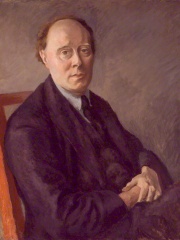
Clive Bell
PAINTER
1881 - 1964
HPI: 56.35
Rank: 175
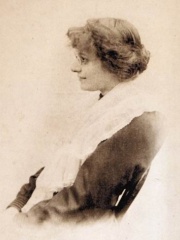
Eleanor Farjeon
WRITER
1881 - 1965
HPI: 56.35
Rank: 176
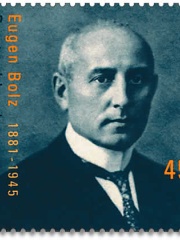
Eugen Bolz
POLITICIAN
1881 - 1945
HPI: 56.22
Rank: 177
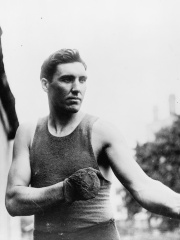
Jess Willard
BOXER
1881 - 1968
HPI: 56.10
Rank: 178

Jim Bellamy
SOCCER PLAYER
1881 - 1969
HPI: 56.08
Rank: 179
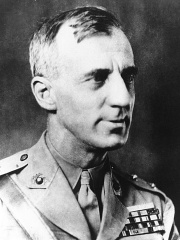
Smedley Butler
MILITARY PERSONNEL
1881 - 1940
HPI: 56.07
Rank: 180
Abram Deborin
PHILOSOPHER
1881 - 1963
HPI: 55.89
Rank: 181
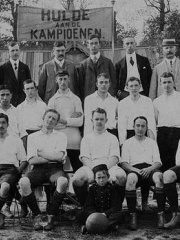
Eetje Sol
SOCCER PLAYER
1881 - 1965
HPI: 55.86
Rank: 182

Henri Grégoire
HISTORIAN
1881 - 1964
HPI: 55.84
Rank: 183
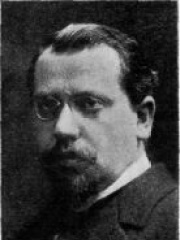
Mordecai Kaplan
WRITER
1881 - 1983
HPI: 55.70
Rank: 184
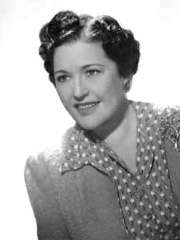
Louella Parsons
WRITER
1881 - 1972
HPI: 55.65
Rank: 185
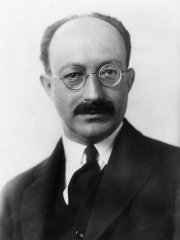
Ludwik Rajchman
PHYSICIAN
1881 - 1965
HPI: 55.45
Rank: 186

George Finnegan
ATHLETE
1881 - 1913
HPI: 55.40
Rank: 187
Others Deceased in 1963
Go to all Rankings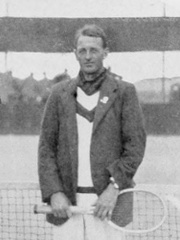
Charles Winslow
TENNIS PLAYER
1888 - 1963
HPI: 56.51
Rank: 151
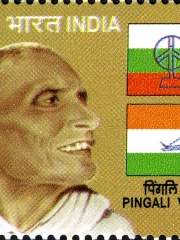
Pingali Venkayya
SOCIAL ACTIVIST
1876 - 1963
HPI: 56.27
Rank: 152
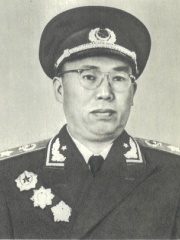
Luo Ronghuan
POLITICIAN
1902 - 1963
HPI: 56.23
Rank: 153
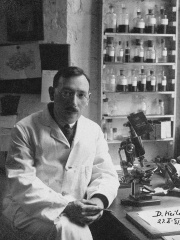
David Keilin
BIOLOGIST
1887 - 1963
HPI: 56.17
Rank: 154
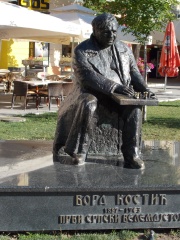
Boris Kostić
CHESS PLAYER
1887 - 1963
HPI: 56.16
Rank: 155
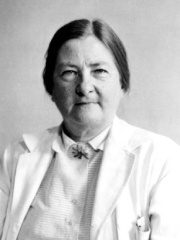
Dorothy Hansine Andersen
PHYSICIAN
1901 - 1963
HPI: 56.02
Rank: 156
Abram Deborin
PHILOSOPHER
1881 - 1963
HPI: 55.89
Rank: 157
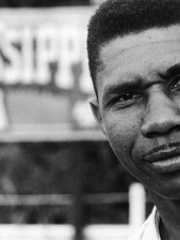
Medgar Evers
SOCIAL ACTIVIST
1925 - 1963
HPI: 55.85
Rank: 158
Mehdi Frashëri
POLITICIAN
1872 - 1963
HPI: 55.73
Rank: 159
Henry Daniell
ACTOR
1894 - 1963
HPI: 55.69
Rank: 160

Ernst Wetter
POLITICIAN
1877 - 1963
HPI: 55.69
Rank: 161

Jorge Daponte
RACING DRIVER
1923 - 1963
HPI: 55.64
Rank: 162

Hugh O'Flaherty
RELIGIOUS FIGURE
1898 - 1963
HPI: 55.62
Rank: 163
In Litauen
Among people born in Litauen, Abram Deborin ranks 156 out of NaN. Before him are Źmitrok Biadula (1886), Regimantas Adomaitis (1937), Hans-Georg Reimann (1941), Vladas Mironas (1880), Mykolas Biržiška (1882), and Antanas Baranauskas (1835). After him are Zigmantas Balčytis (1953), Abram Room (1894), Yehuda Pen (1854), Remigijus Valiulis (1958), Gintautas Paluckas (1979), and Ernestas Galvanauskas (1882).
Others born in Litauen
Go to all Rankings
Źmitrok Biadula
WRITER
1886 - 1941
HPI: 56.31
Rank: 150
Regimantas Adomaitis
ACTOR
1937 - 2022
HPI: 56.26
Rank: 151
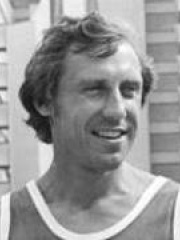
Hans-Georg Reimann
ATHLETE
1941 - Present
HPI: 56.22
Rank: 152
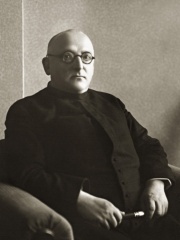
Vladas Mironas
POLITICIAN
1880 - 1953
HPI: 56.11
Rank: 153
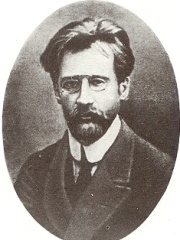
Mykolas Biržiška
POLITICIAN
1882 - 1962
HPI: 56.10
Rank: 154
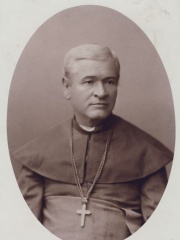
Antanas Baranauskas
WRITER
1835 - 1902
HPI: 56.04
Rank: 155
Abram Deborin
PHILOSOPHER
1881 - 1963
HPI: 55.89
Rank: 156
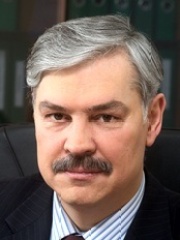
Zigmantas Balčytis
POLITICIAN
1953 - Present
HPI: 55.89
Rank: 157
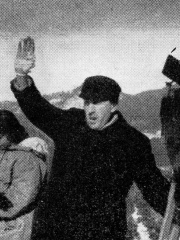
Abram Room
FILM DIRECTOR
1894 - 1976
HPI: 55.88
Rank: 158
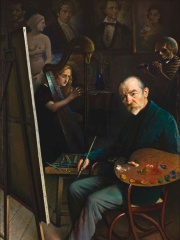
Yehuda Pen
PAINTER
1854 - 1937
HPI: 55.79
Rank: 159

Remigijus Valiulis
ATHLETE
1958 - 2023
HPI: 55.78
Rank: 160
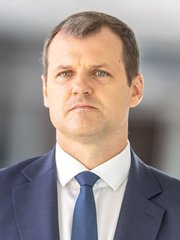
Gintautas Paluckas
POLITICIAN
1979 - Present
HPI: 55.77
Rank: 161
Ernestas Galvanauskas
POLITICIAN
1882 - 1967
HPI: 55.72
Rank: 162
Among Philosophs In Litauen
Among philosophs born in Litauen, Abram Deborin ranks 2. Before him are Emmanuel Levinas (1906).