شخصية دينية
Saint Boniface
680 - 754
AR.WIKIPEDIA PAGE VIEWS (PV)
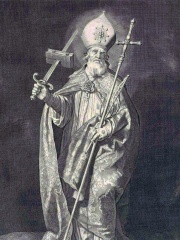
 Saint Boniface
سيرته الذاتية متاحة بـ48 لغة مختلفة على ويكيبيديا (زيادة من 44 في 2024). يحتل Saint Boniface المرتبة 327 بين أكثر شخصية دينية شعبيةً (تقدمًا من 652 في 2024)، والمرتبة 217 بين أكثر السير الذاتية شعبيةً في المملكة المتحدة (تقدمًا من 474 في 2019)، كما يحتل المرتبة 2 بين أكثر شخصية دينية من المملكة المتحدة شعبيةً.
Memorability Metrics
Page views of Saint Boniface by language
Among شخصية دينية
Among شخصية دينية, Saint Boniface ranks 327 out of 3,187. Before him are Pope Martin I, Pope Paul I, Michael I Cerularius, Pope Felix III, Pope Alexander IV, and Pope Gregory IV. After him are Saint Pantaleon, Maya, Ephrem the Syrian, Thích Nhất Hạnh, Pope Benedict III, and John Harvard.
Most Popular شخصية دينية in Wikipedia
Go to all Rankings
Pope Martin I
590 - 655
HPI: 77.25
Rank: 321
Pope Paul I
700 - 767
HPI: 77.23
Rank: 322
Michael I Cerularius
1005 - 1059
HPI: 77.21
Rank: 323
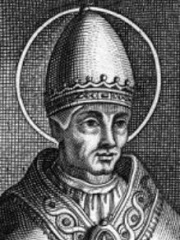
Pope Felix III
440 - 492
HPI: 77.20
Rank: 324
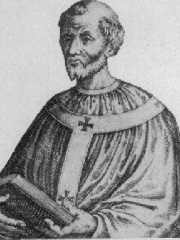
Pope Alexander IV
1200 - 1261
HPI: 77.18
Rank: 325
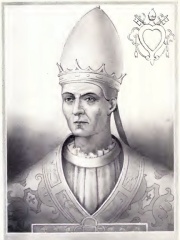
Pope Gregory IV
790 - 844
HPI: 77.17
Rank: 326
Saint Boniface
680 - 754
HPI: 77.14
Rank: 327
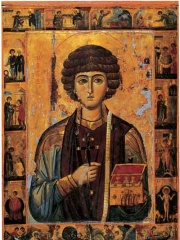
Saint Pantaleon
275 - 303
HPI: 77.11
Rank: 328
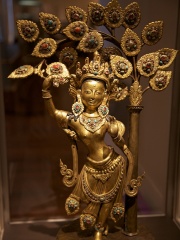
Maya
600 BC - 600 BC
HPI: 77.09
Rank: 329
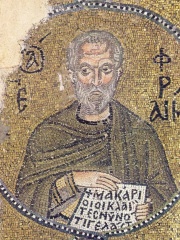
Ephrem the Syrian
306 - 373
HPI: 77.09
Rank: 330
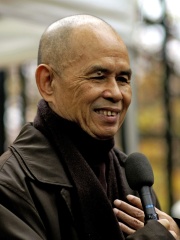
Thích Nhất Hạnh
1926 - 2022
HPI: 77.07
Rank: 331
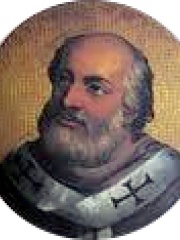
Pope Benedict III
810 - 858
HPI: 77.02
Rank: 332
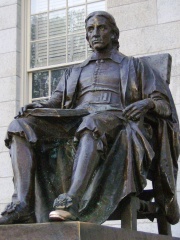
John Harvard
1607 - 1638
HPI: 77.02
Rank: 333

Contemporaries
Among people born in 680, Saint Boniface ranks 1. After him are Mus‘ab ibn 'Umair, Empress Genshō, Wu Daozi, Liutpert, and Aripert II. Among people deceased in 754, Saint Boniface ranks 1. After him are Childeric III, As-Saffah, Carloman, Hiltrud, Anastasius of Constantinople, and Cui Hao.
Others Born in 680
Go to all RankingsSaint Boniface
RELIGIOUS FIGURE
680 - 754
HPI: 77.14
Rank: 1

Mus‘ab ibn 'Umair
RELIGIOUS FIGURE
680 - 625
HPI: 72.06
Rank: 2

Empress Genshō
POLITICIAN
680 - 748
HPI: 69.03
Rank: 3
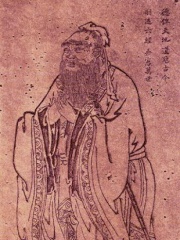
Wu Daozi
PAINTER
680 - 740
HPI: 62.74
Rank: 4

Liutpert
POLITICIAN
680 - 702
HPI: 62.54
Rank: 5

Aripert II
POLITICIAN
680 - 712
HPI: 62.52
Rank: 6
Others Deceased in 754
Go to all RankingsSaint Boniface
RELIGIOUS FIGURE
680 - 754
HPI: 77.14
Rank: 1
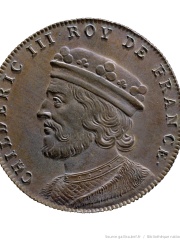
Childeric III
POLITICIAN
714 - 754
HPI: 75.49
Rank: 2

As-Saffah
POLITICIAN
722 - 754
HPI: 73.78
Rank: 3
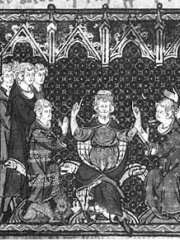
Carloman
POLITICIAN
710 - 754
HPI: 70.70
Rank: 4

Hiltrud
POLITICIAN
715 - 754
HPI: 60.54
Rank: 5

Anastasius of Constantinople
RELIGIOUS FIGURE
HPI: 58.12
Rank: 6

Cui Hao
WRITER
704 - 754
HPI: 57.96
Rank: 7
In المملكة المتحدة
Among people born in المملكة المتحدة, Saint Boniface ranks 217 out of NaN. Before him are Howard Carter (1874), James Chadwick (1891), Princess Helena of the United Kingdom (1846), Anthony Giddens (1938), William Blake (1757), and David Livingstone (1813). After him are Catherine Howard (1523), Guy Fawkes (1570), Æthelbald, King of Wessex (831), George Stephenson (1781), John Harvard (1607), and W. H. Auden (1907).
Others born in المملكة المتحدة
Go to all Rankings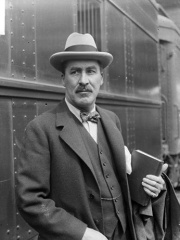
Howard Carter
ARCHAEOLOGIST
1874 - 1939
HPI: 77.35
Rank: 211
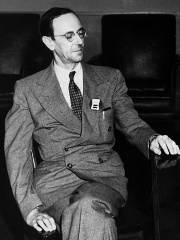
James Chadwick
PHYSICIST
1891 - 1974
HPI: 77.34
Rank: 212
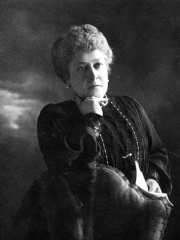
Princess Helena of the United Kingdom
COMPANION
1846 - 1923
HPI: 77.31
Rank: 213
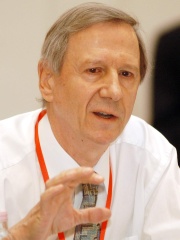
Anthony Giddens
SOCIOLOGIST
1938 - Present
HPI: 77.29
Rank: 214
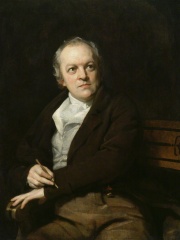
William Blake
WRITER
1757 - 1827
HPI: 77.20
Rank: 215
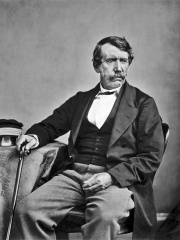
David Livingstone
EXPLORER
1813 - 1873
HPI: 77.19
Rank: 216
Saint Boniface
RELIGIOUS FIGURE
680 - 754
HPI: 77.14
Rank: 217
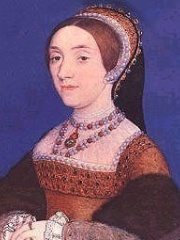
Catherine Howard
COMPANION
1523 - 1542
HPI: 77.14
Rank: 218
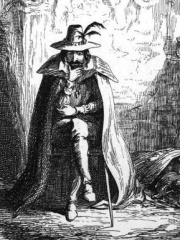
Guy Fawkes
SOCIAL ACTIVIST
1570 - 1606
HPI: 77.05
Rank: 219
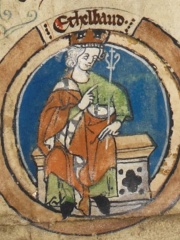
Æthelbald, King of Wessex
POLITICIAN
831 - 860
HPI: 77.05
Rank: 220
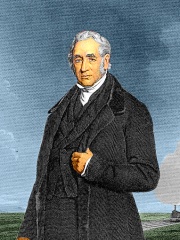
George Stephenson
INVENTOR
1781 - 1848
HPI: 77.03
Rank: 221
John Harvard
RELIGIOUS FIGURE
1607 - 1638
HPI: 77.02
Rank: 222
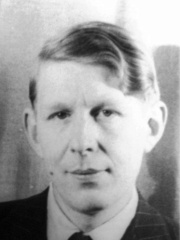
W. H. Auden
WRITER
1907 - 1973
HPI: 77.00
Rank: 223
Among شخصية دينية In المملكة المتحدة
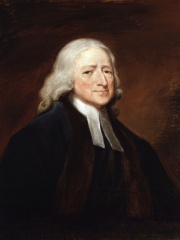
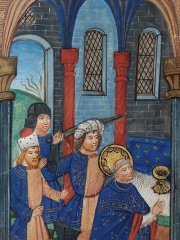
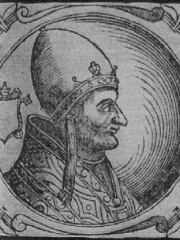
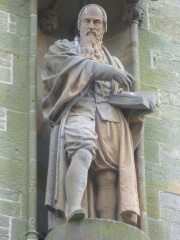
Among شخصية دينية born in المملكة المتحدة, Saint Boniface ranks 2. Before him are Saint Patrick (385). After him are John Harvard (1607), Saint Ursula (400), Saint Walpurga (710), Alcuin (735), William Laud (1573), John Wesley (1703), Thomas Becket (1119), Pope Adrian IV (1100), John Knox (1514), and Edward the Confessor (1003).
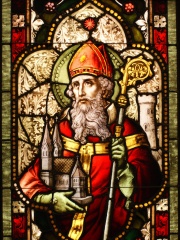
Saint Patrick
385 - 461
HPI: 77.66
Rank: 1
Saint Boniface
680 - 754
HPI: 77.14
Rank: 2
John Harvard
1607 - 1638
HPI: 77.02
Rank: 3
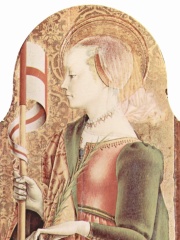
Saint Ursula
400 - 383
HPI: 75.60
Rank: 4
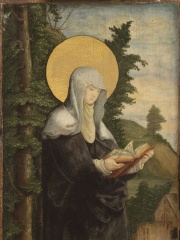
Saint Walpurga
710 - 779
HPI: 74.05
Rank: 5
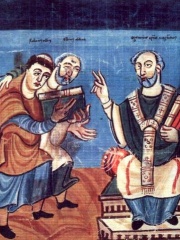
Alcuin
735 - 804
HPI: 73.89
Rank: 6
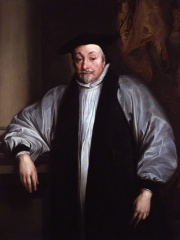
William Laud
1573 - 1645
HPI: 73.32
Rank: 7
John Wesley
1703 - 1791
HPI: 71.96
Rank: 8
Thomas Becket
1119 - 1170
HPI: 71.64
Rank: 9
Pope Adrian IV
1100 - 1159
HPI: 71.56
Rank: 10
John Knox
1514 - 1572
HPI: 71.26
Rank: 11
Edward the Confessor
1003 - 1066
HPI: 71.18
Rank: 12