فيلسوف
Myia
600 BC - 560 BC

 Myia
Myia
سيرتها الذاتية متاحة بـ19 لغة مختلفة على ويكيبيديا (زيادة من 17 في 2024). يحتل Myia المرتبة 535 بين أكثر فيلسوف شعبيةً (تقدمًا من 546 في 2024)، والمرتبة 1,563 بين أكثر السير الذاتية شعبيةً في إيطاليا (تقدمًا من 1,575 في 2019)، كما يحتل المرتبة 41 بين أكثر فيلسوف من إيطاليا شعبيةً.
Memorability Metrics
Page views of Myia by language
Among فيلسوف
Among فيلسوف, Myia ranks 535 out of 1,267. Before her are Saul Kripke, Karl-Otto Apel, Polemon, Ahmad Sirhindi, Carl Stumpf, and Gianni Vattimo. After her are Charles W. Morris, Marpa Lotsawa, Crates of Athens, Jan Patočka, Annemarie Schimmel, and Ammonius Hermiae.
Most Popular فيلسوف in Wikipedia
Go to all Rankings

Saul Kripke
1940 - 2022
HPI: 65.68
Rank: 529
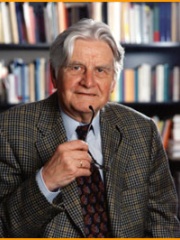
Karl-Otto Apel
1922 - 2017
HPI: 65.66
Rank: 530
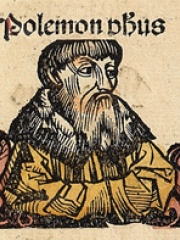
Polemon
400 BC - 270 BC
HPI: 65.65
Rank: 531

Ahmad Sirhindi
1564 - 1624
HPI: 65.65
Rank: 532
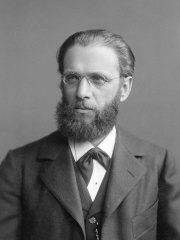
Carl Stumpf
1848 - 1936
HPI: 65.63
Rank: 533
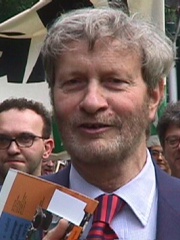
Gianni Vattimo
1936 - 2023
HPI: 65.61
Rank: 534
Myia
600 BC - 560 BC
HPI: 65.59
Rank: 535

Charles W. Morris
1903 - 1979
HPI: 65.55
Rank: 536

Marpa Lotsawa
1012 - 1097
HPI: 65.55
Rank: 537

Crates of Athens
400 BC - 268 BC
HPI: 65.54
Rank: 538
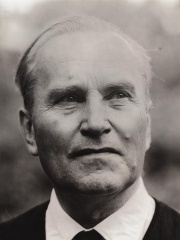
Jan Patočka
1907 - 1977
HPI: 65.54
Rank: 539
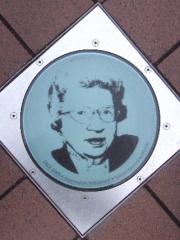
Annemarie Schimmel
1922 - 2003
HPI: 65.53
Rank: 540
Ammonius Hermiae
440 - 523
HPI: 65.51
Rank: 541

Contemporaries
Among people born in 600 BC, Myia ranks 44. Before her are Horatius Cocles, Artaphernes, Datis, Amestris, Lucius Tarquinius Collatinus, and Ageladas. After her are Artaphernes, Agrippa Menenius Lanatus, Hipponax, Scylax of Caryanda, Callimachus, and Tullia Minor. Among people deceased in 560 BC, Myia ranks 4. Before her are Alcaeus of Mytilene, Alyattes of Lydia, and Thespis. After her are Aulus Postumius Albus Regillensis, and Dorieus.
Others Born in 600 BC
Go to all Rankings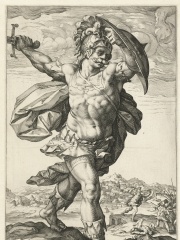
Horatius Cocles
MILITARY PERSONNEL
600 BC - Present
HPI: 67.40
Rank: 38
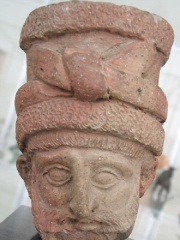
Artaphernes
POLITICIAN
600 BC - 493 BC
HPI: 66.84
Rank: 39
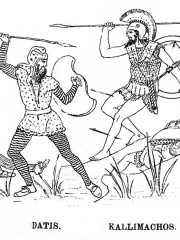
Datis
MILITARY PERSONNEL
600 BC - 490 BC
HPI: 66.69
Rank: 40
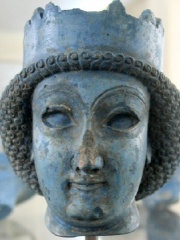
Amestris
COMPANION
600 BC - 500 BC
HPI: 66.39
Rank: 41
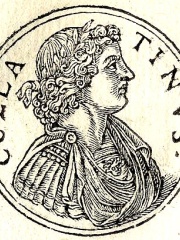
Lucius Tarquinius Collatinus
POLITICIAN
600 BC - Present
HPI: 66.16
Rank: 42

Ageladas
SCULPTOR
600 BC - 500 BC
HPI: 65.98
Rank: 43
Myia
PHILOSOPHER
600 BC - 560 BC
HPI: 65.59
Rank: 44
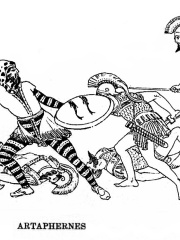
Artaphernes
MILITARY PERSONNEL
600 BC - 500 BC
HPI: 65.58
Rank: 45
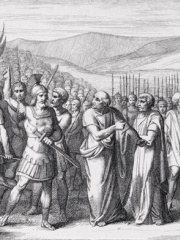
Agrippa Menenius Lanatus
POLITICIAN
600 BC - 493 BC
HPI: 65.43
Rank: 46
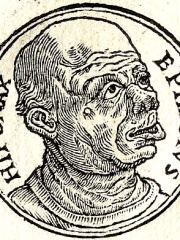
Hipponax
WRITER
600 BC - 600 BC
HPI: 65.05
Rank: 47

Scylax of Caryanda
EXPLORER
600 BC - 500 BC
HPI: 64.91
Rank: 48
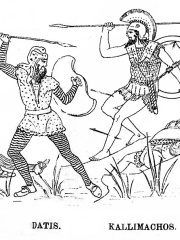
Callimachus
MILITARY PERSONNEL
600 BC - 489 BC
HPI: 64.84
Rank: 49

Tullia Minor
POLITICIAN
600 BC - Present
HPI: 64.27
Rank: 50
Others Deceased in 560 BC
Go to all Rankings
Alcaeus of Mytilene
WRITER
620 BC - 560 BC
HPI: 76.62
Rank: 1
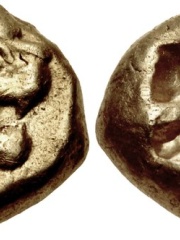
Alyattes of Lydia
POLITICIAN
640 BC - 560 BC
HPI: 74.18
Rank: 2
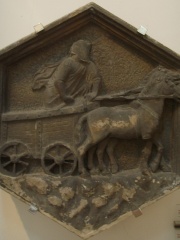
Thespis
ACTOR
600 BC - 560 BC
HPI: 69.86
Rank: 3
Myia
PHILOSOPHER
600 BC - 560 BC
HPI: 65.59
Rank: 4

Aulus Postumius Albus Regillensis
POLITICIAN
600 BC - 560 BC
HPI: 63.07
Rank: 5

Dorieus
POLITICIAN
600 BC - 560 BC
HPI: 61.76
Rank: 6
In إيطاليا
Among people born in إيطاليا, Myia ranks 1,563 out of NaN. Before her are Prince Amedeo, Duke of Aosta (1898), Antonio Tajani (1953), Pietro II Orseolo (961), Gianni Vattimo (1936), Adaloald (602), and Francesco IV Gonzaga, Duke of Mantua (1586). After her are Nicholas of Tolentino (1245), Giovanni Legrenzi (1626), Francesco Maria Piave (1810), Cecilia Gallerani (1473), Amy Adams (1974), and Giovanni Lajolo (1935).
Others born in إيطاليا
Go to all Rankings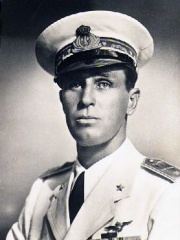
Prince Amedeo, Duke of Aosta
POLITICIAN
1898 - 1942
HPI: 65.63
Rank: 1,557
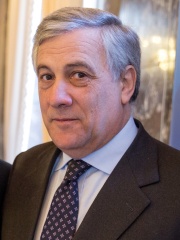
Antonio Tajani
POLITICIAN
1953 - Present
HPI: 65.63
Rank: 1,558

Pietro II Orseolo
POLITICIAN
961 - 1009
HPI: 65.61
Rank: 1,559
Gianni Vattimo
PHILOSOPHER
1936 - 2023
HPI: 65.61
Rank: 1,560

Adaloald
POLITICIAN
602 - 628
HPI: 65.60
Rank: 1,561
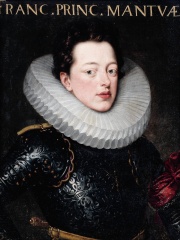
Francesco IV Gonzaga, Duke of Mantua
POLITICIAN
1586 - 1612
HPI: 65.60
Rank: 1,562
Myia
PHILOSOPHER
600 BC - 560 BC
HPI: 65.59
Rank: 1,563
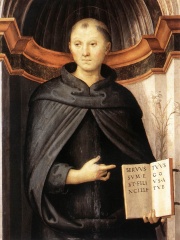
Nicholas of Tolentino
RELIGIOUS FIGURE
1245 - 1305
HPI: 65.58
Rank: 1,564
Giovanni Legrenzi
COMPOSER
1626 - 1690
HPI: 65.58
Rank: 1,565
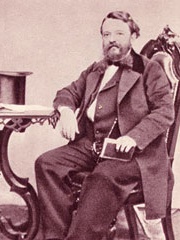
Francesco Maria Piave
WRITER
1810 - 1876
HPI: 65.57
Rank: 1,566
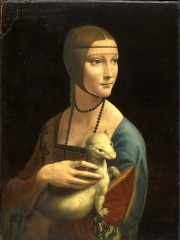
Cecilia Gallerani
CELEBRITY
1473 - 1536
HPI: 65.57
Rank: 1,567

Amy Adams
ACTOR
1974 - Present
HPI: 65.56
Rank: 1,568
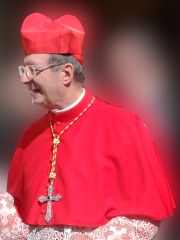
Giovanni Lajolo
RELIGIOUS FIGURE
1935 - Present
HPI: 65.56
Rank: 1,569
Among فيلسوف In إيطاليا
Among فيلسوف born in إيطاليا, Myia ranks 41. Before her are Giovanni Girolamo Saccheri (1667), Dicaearchus (-350), Norberto Bobbio (1909), Vittorino da Feltre (1378), Giles of Rome (1243), and Gianni Vattimo (1936). After her are Cesare Ripa (1555), Bernardino Telesio (1509), Antonio Labriola (1843), Gaetano Mosca (1858), Silvia Federici (1942), and Pietro d'Abano (1250).

Giovanni Girolamo Saccheri
1667 - 1733
HPI: 66.77
Rank: 35

Dicaearchus
350 BC - 290 BC
HPI: 66.73
Rank: 36

Norberto Bobbio
1909 - 2004
HPI: 66.46
Rank: 37

Vittorino da Feltre
1378 - 1446
HPI: 65.89
Rank: 38
Giles of Rome
1243 - 1316
HPI: 65.84
Rank: 39
Gianni Vattimo
1936 - 2023
HPI: 65.61
Rank: 40
Myia
600 BC - 560 BC
HPI: 65.59
Rank: 41
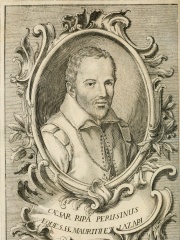
Cesare Ripa
1555 - 1622
HPI: 65.33
Rank: 42
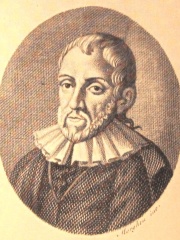
Bernardino Telesio
1509 - 1588
HPI: 65.19
Rank: 43
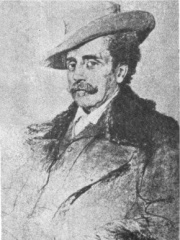
Antonio Labriola
1843 - 1904
HPI: 64.94
Rank: 44
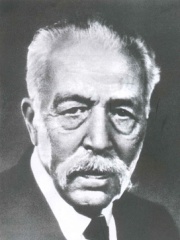
Gaetano Mosca
1858 - 1941
HPI: 64.85
Rank: 45

Silvia Federici
1942 - Present
HPI: 64.52
Rank: 46
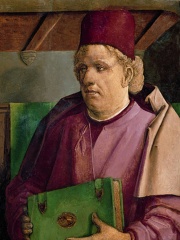
Pietro d'Abano
1250 - 1315
HPI: 64.42
Rank: 47