فيلسوف
Mazdak
450 - 529
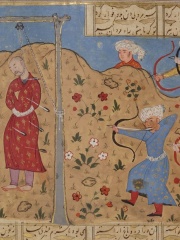
 Mazdak
هذه صفحة لأحد أسماء الشخصية المذكورة أعلاه أو ألقابها أو لكنية من كُناها، وهي تحوَّل آلياً من يبحث عنها إلى صفحة Mazdak. اقرأ المزيد على ويكيبيديا
سيرته الذاتية متاحة بـ41 لغة مختلفة على ويكيبيديا (زيادة من 38 في 2024). يحتل Mazdak المرتبة 317 بين أكثر فيلسوف شعبيةً (تراجعًا من 286 في 2024)، والمرتبة 94 بين أكثر السير الذاتية شعبيةً في إيران (تراجعًا من 91 في 2019)، كما يحتل المرتبة 7 بين أكثر فيلسوف من إيران شعبيةً.
Memorability Metrics
Page views of Mazdak by language
Among فيلسوف
Among فيلسوف, Mazdak ranks 317 out of 1,267. Before him are Henri Lefebvre, Elena Cornaro Piscopia, Félix Guattari, Lucien Lévy-Bruhl, Alfred Schütz, and Abu Yusuf. After him are Pietro Pomponazzi, Moritz Schlick, Vyasa, Ari Thorgilsson, Hipparchia of Maroneia, and Aenesidemus.
Most Popular فيلسوف in Wikipedia
Go to all Rankings
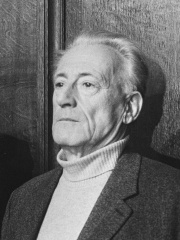
Henri Lefebvre
1901 - 1991
HPI: 70.49
Rank: 311

Elena Cornaro Piscopia
1646 - 1684
HPI: 70.48
Rank: 312
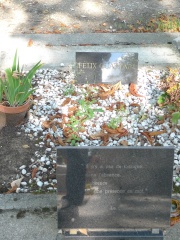
Félix Guattari
1930 - 1992
HPI: 70.44
Rank: 313
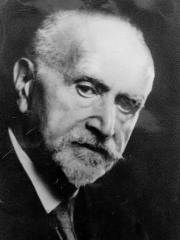
Lucien Lévy-Bruhl
1857 - 1939
HPI: 70.40
Rank: 314
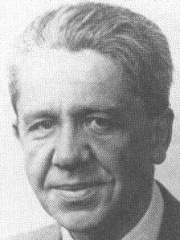
Alfred Schütz
1899 - 1959
HPI: 70.35
Rank: 315

Abu Yusuf
731 - 798
HPI: 70.34
Rank: 316
Mazdak
450 - 529
HPI: 70.30
Rank: 317
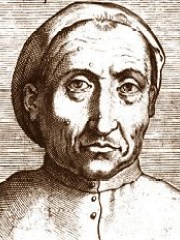
Pietro Pomponazzi
1462 - 1525
HPI: 70.27
Rank: 318
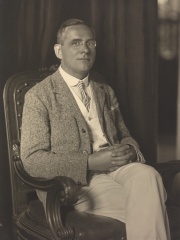
Moritz Schlick
1882 - 1936
HPI: 70.25
Rank: 319
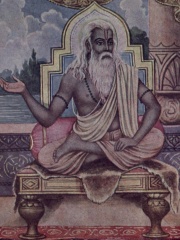
Vyasa
390 BC - 310 BC
HPI: 70.22
Rank: 320

Ari Thorgilsson
1067 - 1148
HPI: 70.13
Rank: 321

Hipparchia of Maroneia
350 BC - 300 BC
HPI: 70.13
Rank: 322

Aenesidemus
80 BC - 10 BC
HPI: 70.04
Rank: 323

Contemporaries
Among people born in 450, Mazdak ranks 5. Before him are Pope Hormisdas, Justin I, Pope Anastasius II, and Cynric. After him are Huneric, Gunthamund, Emperor Kenzō, Ildibad, Thrasamund, Mundus, and Gesalec. Among people deceased in 529, Mazdak ranks 1. After him is Theodosius the Cenobiarch.
Others Born in 450
Go to all Rankings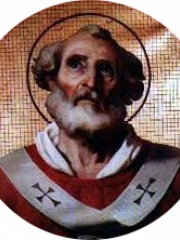
Pope Hormisdas
RELIGIOUS FIGURE
450 - 523
HPI: 76.89
Rank: 1
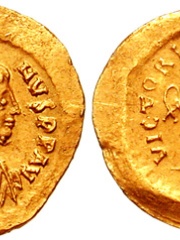
Justin I
POLITICIAN
450 - 527
HPI: 76.33
Rank: 2
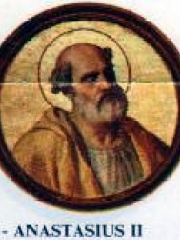
Pope Anastasius II
RELIGIOUS FIGURE
450 - 498
HPI: 73.65
Rank: 3

Cynric
POLITICIAN
450 - 560
HPI: 71.77
Rank: 4
Mazdak
PHILOSOPHER
450 - 529
HPI: 70.30
Rank: 5
Huneric
POLITICIAN
450 - 484
HPI: 69.11
Rank: 6
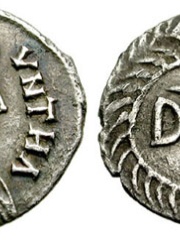
Gunthamund
POLITICIAN
450 - 477
HPI: 68.94
Rank: 7

Emperor Kenzō
POLITICIAN
450 - 487
HPI: 67.81
Rank: 8

Ildibad
POLITICIAN
450 - 541
HPI: 67.25
Rank: 9
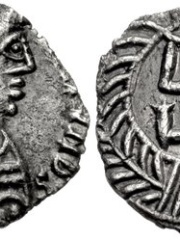
Thrasamund
POLITICIAN
450 - 523
HPI: 67.19
Rank: 10

Mundus
MILITARY PERSONNEL
450 - 536
HPI: 66.88
Rank: 11
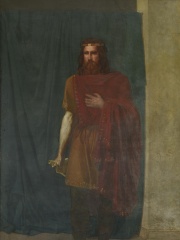
Gesalec
POLITICIAN
450 - 512
HPI: 66.86
Rank: 12
Others Deceased in 529
Go to all RankingsMazdak
PHILOSOPHER
450 - 529
HPI: 70.30
Rank: 1

Theodosius the Cenobiarch
RELIGIOUS FIGURE
424 - 529
HPI: 63.64
Rank: 2
In إيران
Among people born in إيران, Mazdak ranks 94 out of NaN. Before him are Abbas II of Persia (1633), Abu Sa'id Bahadur Khan (1305), Barkiyaruq (1081), Mithridates I of Parthia (-195), Yazdegerd I (400), and Gaykhatu (1300). After him are Ali al-Sistani (1930), Bahram V (406), Naser al-Din Shah Qajar (1831), Mordecai (null), Ahmad Shah Qajar (1898), and Agha Mohammad Khan Qajar (1742).
Others born in إيران
Go to all Rankings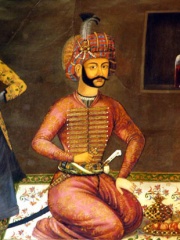
Abbas II of Persia
POLITICIAN
1633 - 1666
HPI: 70.72
Rank: 88
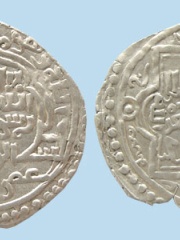
Abu Sa'id Bahadur Khan
POLITICIAN
1305 - 1335
HPI: 70.59
Rank: 89
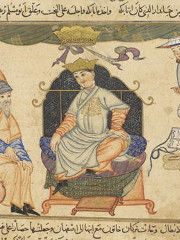
Barkiyaruq
POLITICIAN
1081 - 1104
HPI: 70.56
Rank: 90
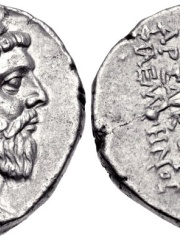
Mithridates I of Parthia
POLITICIAN
195 BC - 132 BC
HPI: 70.43
Rank: 91
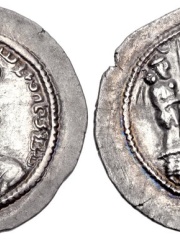
Yazdegerd I
POLITICIAN
400 - 421
HPI: 70.40
Rank: 92
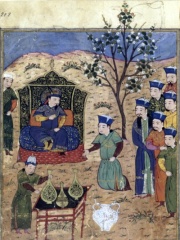
Gaykhatu
POLITICIAN
1300 - 1295
HPI: 70.32
Rank: 93
Mazdak
PHILOSOPHER
450 - 529
HPI: 70.30
Rank: 94
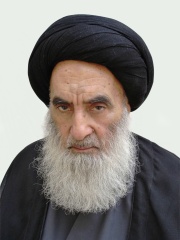
Ali al-Sistani
POLITICIAN
1930 - Present
HPI: 70.22
Rank: 95
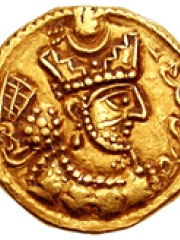
Bahram V
POLITICIAN
406 - 438
HPI: 70.21
Rank: 96
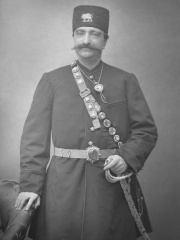
Naser al-Din Shah Qajar
POLITICIAN
1831 - 1896
HPI: 70.18
Rank: 97

Mordecai
RELIGIOUS FIGURE
HPI: 70.14
Rank: 98
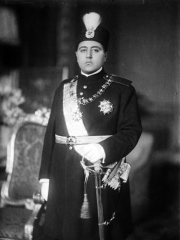
Ahmad Shah Qajar
POLITICIAN
1898 - 1930
HPI: 69.82
Rank: 99
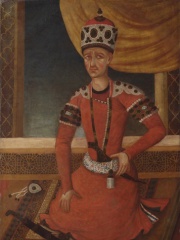
Agha Mohammad Khan Qajar
POLITICIAN
1742 - 1797
HPI: 69.77
Rank: 100
Among فيلسوف In إيران
Among فيلسوف born in إيران, Mazdak ranks 7. Before him are Al-Ghazali (1058), Al-Tabari (839), Bodhidharma (483), Fakhr al-Din al-Razi (1149), Bayazid Bastami (804), and Miskawayh (932). After him are Shahab al-Din Yahya ibn Habash Suhrawardi (1155), Haji Bektash Veli (1209), Mulla Sadra (1571), Al-Baydawi (1201), Shihab al-Din 'Umar al-Suhrawardi (1145), and Al-Taftazani (1322).
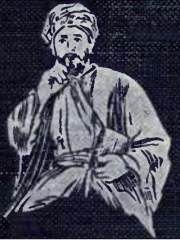
Al-Ghazali
1058 - 1111
HPI: 85.99
Rank: 1

Al-Tabari
839 - 923
HPI: 78.71
Rank: 2

Bodhidharma
483 - 540
HPI: 78.17
Rank: 3
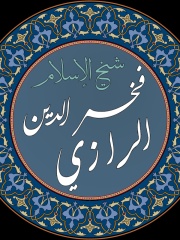
Fakhr al-Din al-Razi
1149 - 1209
HPI: 71.93
Rank: 4
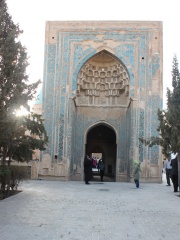
Bayazid Bastami
804 - 874
HPI: 71.16
Rank: 5

Miskawayh
932 - 1030
HPI: 70.88
Rank: 6
Mazdak
450 - 529
HPI: 70.30
Rank: 7
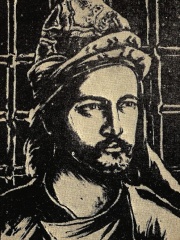
Shahab al-Din Yahya ibn Habash Suhrawardi
1155 - 1191
HPI: 68.46
Rank: 8
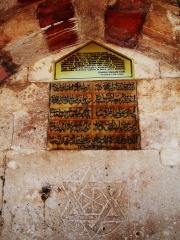
Haji Bektash Veli
1209 - 1271
HPI: 68.44
Rank: 9

Mulla Sadra
1571 - 1636
HPI: 68.03
Rank: 10
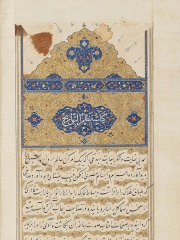
Al-Baydawi
1201 - Present
HPI: 64.85
Rank: 11
Shihab al-Din 'Umar al-Suhrawardi
1145 - 1234
HPI: 64.44
Rank: 12

Al-Taftazani
1322 - 1390
HPI: 62.86
Rank: 13




