فيلسوف
Hemachandra
1089 - 1172

 Hemachandra
Hemachandra was a فيلسوف born in 1089 in , which is now part of modern day Dhandhuka, India. Hemachandra died at 83 years old in NaN.
His biography is available in 21 different languages on Wikipedia (up from 20 in 2024). Hemachandra is the 649th most popular فيلسوف (up from 746th in 2024), the 263rd most popular biography from India (up from 282nd in 2019) and the 28th most popular Indian فيلسوف.
Memorability Metrics
Page views of Hemachandra by language
Among فيلسوف
Among فيلسوف, Hemachandra ranks 649 out of 1,267. Before him are Arne Næss, Barlaam of Seminara, Antony Flew, Peter Deunov, Pierre Hadot, and Yang Xiong. After him are Émile Chartier, Olaf Stapledon, Eric Voegelin, Jaakko Hintikka, Anton Wilhelm Amo, and Stein Rokkan.
Most Popular فيلسوف in Wikipedia
Go to all Rankings
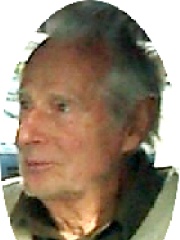
Arne Næss
1912 - 2009
HPI: 64.11
Rank: 643
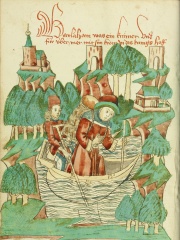
Barlaam of Seminara
1290 - 1348
HPI: 64.11
Rank: 644
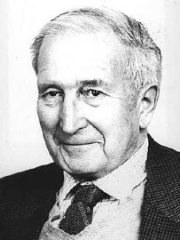
Antony Flew
1923 - 2010
HPI: 64.10
Rank: 645
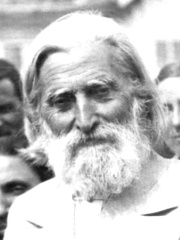
Peter Deunov
1864 - 1944
HPI: 64.06
Rank: 646
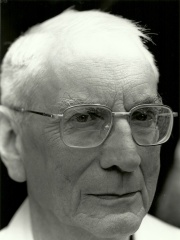
Pierre Hadot
1922 - 2010
HPI: 64.01
Rank: 647

Yang Xiong
53 BC - 18
HPI: 64.00
Rank: 648
Hemachandra
1089 - 1172
HPI: 64.00
Rank: 649

Émile Chartier
1868 - 1951
HPI: 63.98
Rank: 650
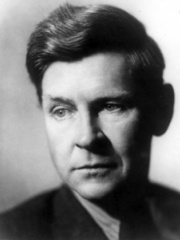
Olaf Stapledon
1886 - 1950
HPI: 63.97
Rank: 651

Eric Voegelin
1901 - 1985
HPI: 63.96
Rank: 652
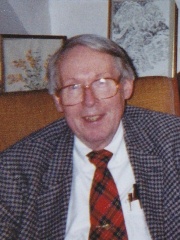
Jaakko Hintikka
1929 - 2015
HPI: 63.93
Rank: 653
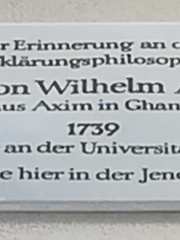
Anton Wilhelm Amo
1703 - 1759
HPI: 63.91
Rank: 654
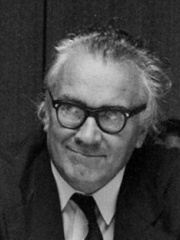
Stein Rokkan
1921 - 1979
HPI: 63.89
Rank: 655

Contemporaries
Among people born in 1089, Hemachandra ranks 2. Before him is Abraham ibn Ezra. After him is Mahsati. Among people deceased in 1172, Hemachandra ranks 2. Before him is Stephen III of Hungary. After him are Il-Arslan, Vitale II Michiel, Douce II, Countess of Provence, and Louis II, Landgrave of Thuringia.
Others Born in 1089
Go to all Rankings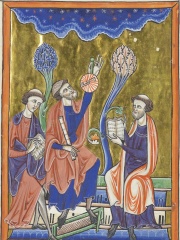
Abraham ibn Ezra
PHILOSOPHER
1089 - 1167
HPI: 71.20
Rank: 1
Hemachandra
PHILOSOPHER
1089 - 1172
HPI: 64.00
Rank: 2
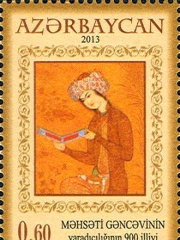
Mahsati
WRITER
1089 - 1181
HPI: 62.59
Rank: 3
Others Deceased in 1172
Go to all Rankings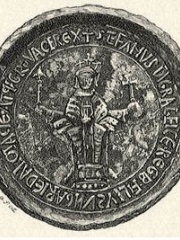
Stephen III of Hungary
POLITICIAN
1147 - 1172
HPI: 70.57
Rank: 1
Hemachandra
PHILOSOPHER
1089 - 1172
HPI: 64.00
Rank: 2
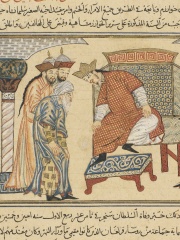
Il-Arslan
POLITICIAN
1150 - 1172
HPI: 63.23
Rank: 3

Vitale II Michiel
POLITICIAN
1150 - 1172
HPI: 61.99
Rank: 4

Douce II, Countess of Provence
COMPANION
1163 - 1172
HPI: 61.16
Rank: 5
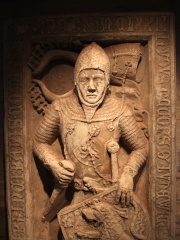
Louis II, Landgrave of Thuringia
POLITICIAN
1128 - 1172
HPI: 60.12
Rank: 6
In India
Among people born in India, Hemachandra ranks 263 out of 1,861. Before him are Priyanka Gandhi (1972), Pushyamitra Shunga (-300), Dharmendra (1935), Rakhee Gulzar (1947), Gayatri Chakravorty Spivak (1942), and Kittur Chennamma (1778). After him are Murad Bakhsh (1624), Anna Leonowens (1831), Ravidas (1450), Godfrey Brown (1915), Jagat Gosain (1573), and Balaji Baji Rao (1720).
Others born in India
Go to all Rankings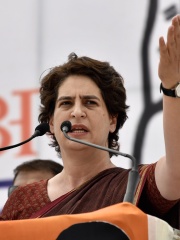
Priyanka Gandhi
POLITICIAN
1972 - Present
HPI: 64.30
Rank: 257
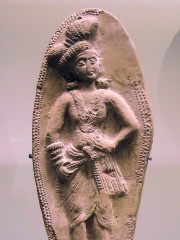
Pushyamitra Shunga
POLITICIAN
300 BC - 148 BC
HPI: 64.28
Rank: 258
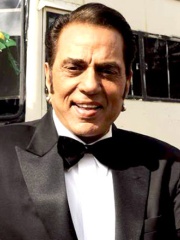
Dharmendra
ACTOR
1935 - 2025
HPI: 64.22
Rank: 259
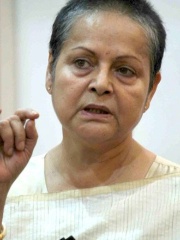
Rakhee Gulzar
ACTOR
1947 - Present
HPI: 64.21
Rank: 260
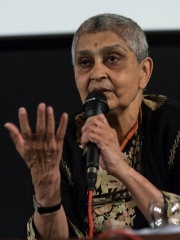
Gayatri Chakravorty Spivak
WRITER
1942 - Present
HPI: 64.15
Rank: 261
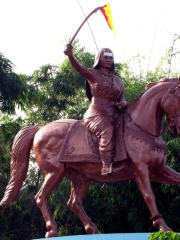
Kittur Chennamma
SOCIAL ACTIVIST
1778 - 1829
HPI: 64.13
Rank: 262
Hemachandra
PHILOSOPHER
1089 - 1172
HPI: 64.00
Rank: 263
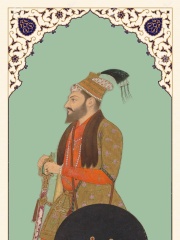
Murad Bakhsh
NOBLEMAN
1624 - 1661
HPI: 63.95
Rank: 264
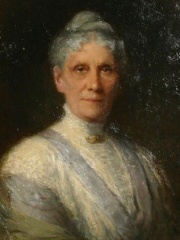
Anna Leonowens
WRITER
1831 - 1915
HPI: 63.88
Rank: 265
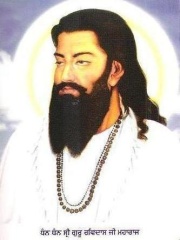
Ravidas
PHILOSOPHER
1450 - 1520
HPI: 63.85
Rank: 266
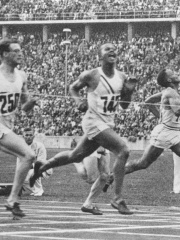
Godfrey Brown
ATHLETE
1915 - 1995
HPI: 63.84
Rank: 267
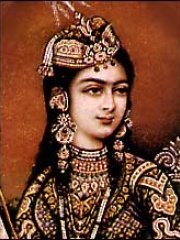
Jagat Gosain
COMPANION
1573 - 1619
HPI: 63.83
Rank: 268
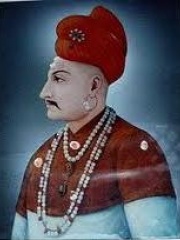
Balaji Baji Rao
POLITICIAN
1720 - 1761
HPI: 63.77
Rank: 269
Among فيلسوف In India
Among فيلسوف born in India, Hemachandra ranks 28. Before him are Homi K. Bhabha (1949), Madhvacharya (1199), Sivananda Saraswati (1887), Ahmad Sirhindi (1564), Vinayak Damodar Savarkar (1883), and Dignāga (480). After him are Ravidas (1450), Vallabha (1479), Thiruvalluvar (350), Nisargadatta Maharaj (1897), Narayana Guru (1855), and Eknath (1533).
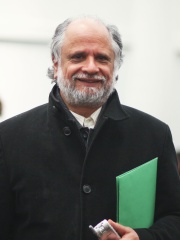
Homi K. Bhabha
1949 - Present
HPI: 66.35
Rank: 22
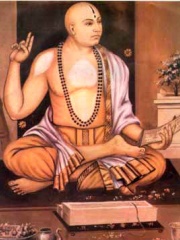
Madhvacharya
1199 - 1278
HPI: 65.81
Rank: 23
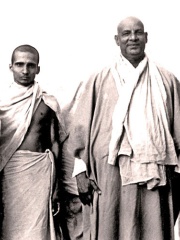
Sivananda Saraswati
1887 - 1963
HPI: 65.75
Rank: 24

Ahmad Sirhindi
1564 - 1624
HPI: 65.65
Rank: 25
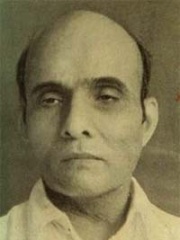
Vinayak Damodar Savarkar
1883 - 1966
HPI: 65.41
Rank: 26

Dignāga
480 - 540
HPI: 64.39
Rank: 27
Hemachandra
1089 - 1172
HPI: 64.00
Rank: 28
Ravidas
1450 - 1520
HPI: 63.85
Rank: 29
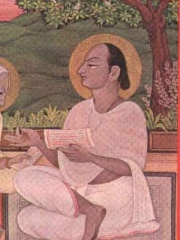
Vallabha
1479 - 1531
HPI: 63.23
Rank: 30
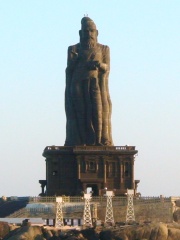
Thiruvalluvar
350 - 351
HPI: 62.34
Rank: 31
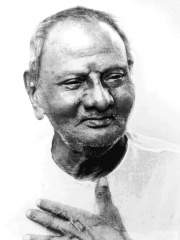
Nisargadatta Maharaj
1897 - 1981
HPI: 62.04
Rank: 32
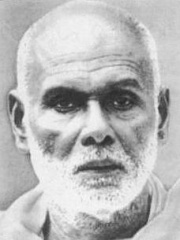
Narayana Guru
1855 - 1928
HPI: 61.88
Rank: 33
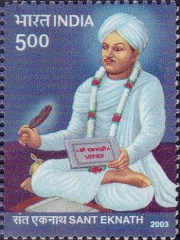
Eknath
1533 - 1599
HPI: 61.83
Rank: 34