كاتب
Du Fu
712 - 770
AR.WIKIPEDIA PAGE VIEWS (PV)
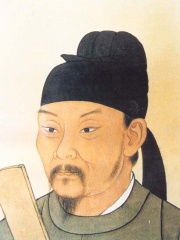
 Du Fu
Du Fu
دو فو (بالصينية: 杜甫) (بن-ين: Dù Fǔ) (ويد–جيلز: Tu Fu) (بالإنجليزية: Du Fu) كان شاعرا صينيا لأسرة تانج. جنبا إلى جنب مع لي باي (لي بو)، كثيرا ما يطلق عليه أعظم الشعراء الصينيين. كان طموحه الأكبر هو خدمة بلاده كموظف مدني ناجح، لكنه أثبت عدم قدرته على توفير التسهيلات اللازمة. لقد دمرت حياته، مثل البلد كله، من قبل ثورة آن لوشان عام 755، وكانت سنواته الـ 15 الأخيرة وقتًا من الاضطرابات المستمرة تقريبًا. اقرأ المزيد على ويكيبيديا
His biography is available in 117 different languages on Wikipedia (up from 115 in 2024). Du Fu is the 87th most popular كاتب (up from 105th in 2024), the 17th most popular biography from China (down from 16th in 2019) and the 2nd most popular Chinese كاتب.
Du Fu is most famous for his poetry.
Memorability Metrics
Page views of Du Fu by language
Among كاتب
Among كاتب, Du Fu ranks 87 out of 7,302. Before him are Nikolai Gogol, D. H. Lawrence, Daniel Defoe, Abu Nuwas, Kālidāsa, and Maxim Gorky. After him are Pablo Neruda, George Bernard Shaw, Maurice Maeterlinck, Kurt Vonnegut, Giorgio Vasari, and Milan Kundera.
Most Popular كاتب in Wikipedia
Go to all Rankings
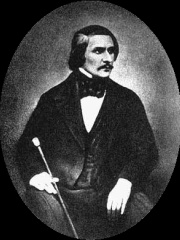
Nikolai Gogol
1809 - 1852
HPI: 82.82
Rank: 81

D. H. Lawrence
1885 - 1930
HPI: 82.80
Rank: 82

Daniel Defoe
1660 - 1731
HPI: 82.76
Rank: 83
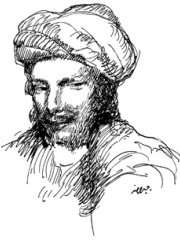
Abu Nuwas
762 - 814
HPI: 82.59
Rank: 84
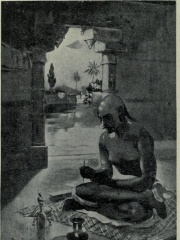
Kālidāsa
400 - 420
HPI: 82.51
Rank: 85

Maxim Gorky
1868 - 1936
HPI: 82.46
Rank: 86
Du Fu
712 - 770
HPI: 82.41
Rank: 87
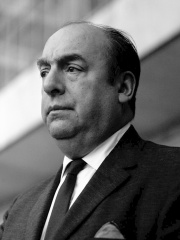
Pablo Neruda
1904 - 1973
HPI: 82.29
Rank: 88
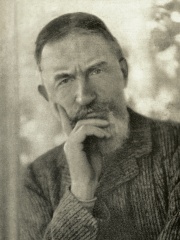
George Bernard Shaw
1856 - 1950
HPI: 82.20
Rank: 89
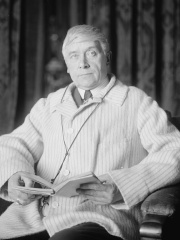
Maurice Maeterlinck
1862 - 1949
HPI: 82.17
Rank: 90
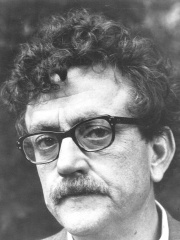
Kurt Vonnegut
1922 - 2007
HPI: 82.15
Rank: 91

Giorgio Vasari
1511 - 1574
HPI: 82.06
Rank: 92

Milan Kundera
1929 - 2023
HPI: 82.06
Rank: 93

Contemporaries
Among people born in 712, Du Fu ranks 1. After him is Theuderic IV. Among people deceased in 770, Du Fu ranks 1. After him are Empress Kōken, and Abe no Nakamaro.
Others Born in 712
Go to all Rankings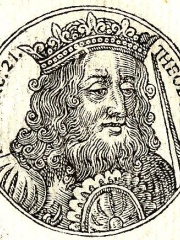
Others Deceased in 770
Go to all RankingsDu Fu
WRITER
712 - 770
HPI: 82.41
Rank: 1
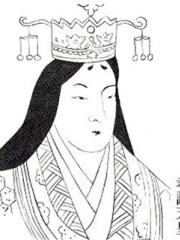
Empress Kōken
POLITICIAN
718 - 770
HPI: 67.67
Rank: 2
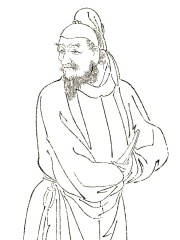
Abe no Nakamaro
POLITICIAN
698 - 770
HPI: 61.61
Rank: 3
In China
Among people born in China, Du Fu ranks 17 out of 1,610. Before him are Sima Qian (-145), Puyi (1906), 14th Dalai Lama (1935), Xi Jinping (1953), Sun Yat-sen (1866), and Deng Xiaoping (1904). After him are Ip Man (1893), Wu Zetian (624), Zhuang Zhou (-369), Hu Jintao (1942), Zhu Xi (1130), and Empress Dowager Cixi (1835).
Others born in China
Go to all Rankings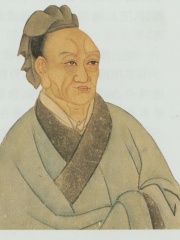
Sima Qian
HISTORIAN
145 BC - 86 BC
HPI: 83.52
Rank: 11
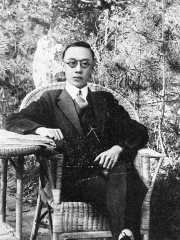
Puyi
POLITICIAN
1906 - 1967
HPI: 83.41
Rank: 12

14th Dalai Lama
RELIGIOUS FIGURE
1935 - Present
HPI: 83.17
Rank: 13
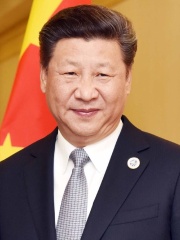
Xi Jinping
POLITICIAN
1953 - Present
HPI: 82.81
Rank: 14
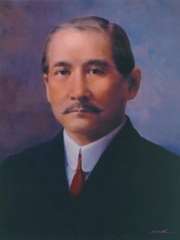
Sun Yat-sen
POLITICIAN
1866 - 1925
HPI: 82.77
Rank: 15
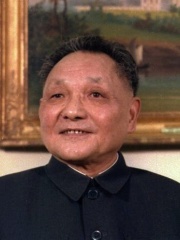
Deng Xiaoping
POLITICIAN
1904 - 1997
HPI: 82.61
Rank: 16
Du Fu
WRITER
712 - 770
HPI: 82.41
Rank: 17
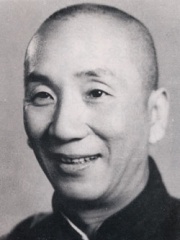
Ip Man
MARTIAL ARTS
1893 - 1972
HPI: 82.04
Rank: 18
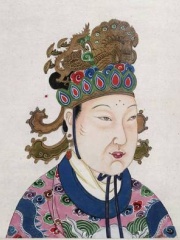
Wu Zetian
POLITICIAN
624 - 705
HPI: 81.68
Rank: 19
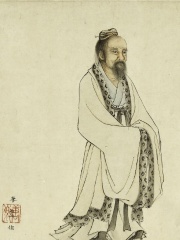
Zhuang Zhou
PHILOSOPHER
369 BC - 286 BC
HPI: 81.63
Rank: 20
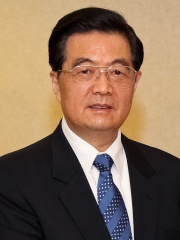
Hu Jintao
POLITICIAN
1942 - Present
HPI: 81.29
Rank: 21
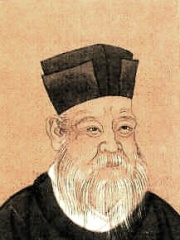
Zhu Xi
PHILOSOPHER
1130 - 1200
HPI: 81.27
Rank: 22
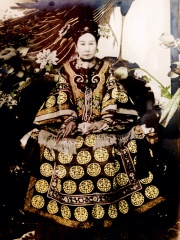
Empress Dowager Cixi
POLITICIAN
1835 - 1908
HPI: 80.65
Rank: 23
Among كاتب In China
Among كاتب born in China, Du Fu ranks 2. Before him are Li Bai (701). After him are Lu Xun (1881), Gao Xingjian (1940), Wu Cheng'en (1500), Qu Yuan (-343), Mo Yan (1955), Luo Guanzhong (1330), Bai Juyi (772), Su Shi (1037), Kumārajīva (343), and Faxian (340).
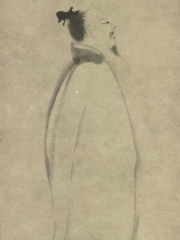
Li Bai
701 - 762
HPI: 84.11
Rank: 1
Du Fu
712 - 770
HPI: 82.41
Rank: 2
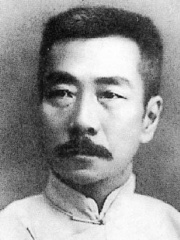
Lu Xun
1881 - 1936
HPI: 77.56
Rank: 3
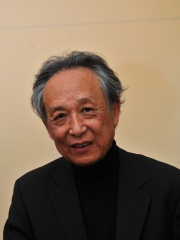
Gao Xingjian
1940 - Present
HPI: 76.23
Rank: 4

Wu Cheng'en
1500 - 1582
HPI: 73.86
Rank: 5
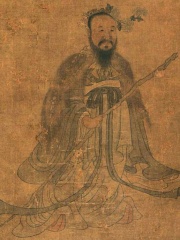
Qu Yuan
343 BC - 278 BC
HPI: 73.42
Rank: 6

Mo Yan
1955 - Present
HPI: 73.16
Rank: 7

Luo Guanzhong
1330 - 1400
HPI: 72.31
Rank: 8

Bai Juyi
772 - 846
HPI: 71.81
Rank: 9
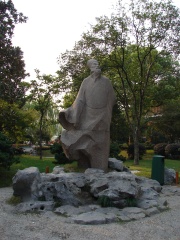
Su Shi
1037 - 1101
HPI: 71.71
Rank: 10
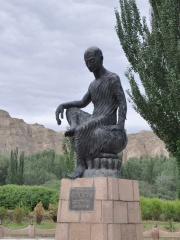
Kumārajīva
343 - 413
HPI: 71.30
Rank: 11
Faxian
340 - 418
HPI: 70.81
Rank: 12