سياسي
Areus II
262 BC - 254 BC
AR.WIKIPEDIA PAGE VIEWS (PV)
 Areus II
آريوس الثاني (باليونانية: Ἀρεύς Β΄) هو ابن آكروتاتوس الثاني، والملك السابع والعشرون لأسبرطة من سلالة أجيداي، وابن عم آريوس الثاني الذي سيخلف الحكم من بعده. اقرأ المزيد على ويكيبيديا
سيرته الذاتية متاحة بـ20 لغة مختلفة على ويكيبيديا. يحتل Areus II المرتبة 11,937 بين أكثر سياسي شعبيةً (تراجعًا من 11,179 في 2024)، والمرتبة 597 بين أكثر السير الذاتية شعبيةً في اليونان (تراجعًا من 567 في 2019)، كما يحتل المرتبة 252 بين أكثر سياسي من اليونان شعبيةً.
Memorability Metrics
Page views of Areus II by language
Among سياسي
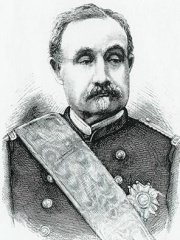
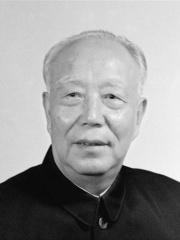
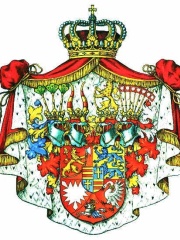
Among سياسي, Areus II ranks 11,937 out of 19,576. Before him are Ali Akbar Salehi, Ernest Courtot de Cissey, Wan Li, Litokwa Tomeing, Alexander, Duke of Schleswig-Holstein-Sonderburg, and Mordechai Gur. After him are Christian August of Saxe-Zeitz, Lucius Calpurnius Bestia, Mansur Yavaş, Quintus Caecilius Metellus Celer, Zhang Qun, and Gianfranco Fini.
Most Popular سياسي in Wikipedia
Go to all Rankings

Ali Akbar Salehi
1949 - Present
HPI: 59.40
Rank: 11,937
Ernest Courtot de Cissey
1810 - 1882
HPI: 59.40
Rank: 11,938
Wan Li
1916 - 2015
HPI: 59.40
Rank: 11,939

Litokwa Tomeing
1939 - 2020
HPI: 59.40
Rank: 11,940
Alexander, Duke of Schleswig-Holstein-Sonderburg
1573 - 1627
HPI: 59.40
Rank: 11,941

Mordechai Gur
1930 - 1995
HPI: 59.39
Rank: 11,942
Areus II
262 BC - 254 BC
HPI: 59.39
Rank: 11,943
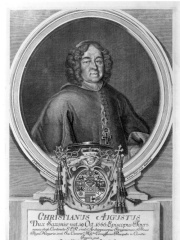
Christian August of Saxe-Zeitz
1666 - 1725
HPI: 59.39
Rank: 11,944

Lucius Calpurnius Bestia
154 BC - Present
HPI: 59.39
Rank: 11,945

Mansur Yavaş
1955 - Present
HPI: 59.39
Rank: 11,946

Quintus Caecilius Metellus Celer
103 BC - 59 BC
HPI: 59.39
Rank: 11,947
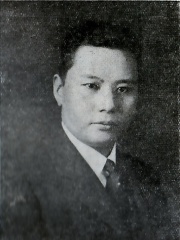
Zhang Qun
1889 - 1990
HPI: 59.39
Rank: 11,948
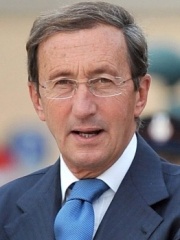
Gianfranco Fini
1952 - Present
HPI: 59.39
Rank: 11,949

Contemporaries
Among people born in 262 BC, Areus II ranks 2. Before him is Apollonius of Perga. Among people deceased in 254 BC, Areus II ranks 1.
Others Born in 262 BC
Go to all Rankings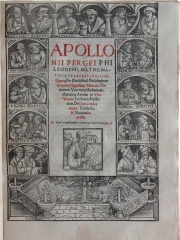
Apollonius of Perga
MATHEMATICIAN
262 BC - 190 BC
HPI: 78.39
Rank: 1
Areus II
POLITICIAN
262 BC - 254 BC
HPI: 59.39
Rank: 2
Others Deceased in 254 BC
Go to all RankingsIn اليونان
Among people born in اليونان, Areus II ranks 597 out of NaN. Before him are Philinna (-400), Euphranor (-301), Theagenes of Megara (-700), Pamphilus (-390), Mentor of Rhodes (-380), and Petros Persakis (1879). After him are Phaenias of Eresus (-400), Andronicus of Cyrrhus (-200), Musaeus of Athens (-500), Georgios Zoitakis (1910), Spyridon Trikoupis (1788), and Myrtis of Anthedon (-500).
Others born in اليونان
Go to all Rankings
Philinna
POLITICIAN
400 BC - 400 BC
HPI: 59.55
Rank: 591
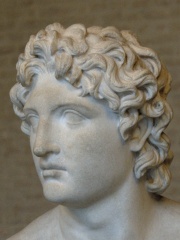
Euphranor
PAINTER
301 BC - 400 BC
HPI: 59.54
Rank: 592

Theagenes of Megara
POLITICIAN
700 BC - 600 BC
HPI: 59.51
Rank: 593

Pamphilus
PAINTER
390 BC - 400 BC
HPI: 59.50
Rank: 594

Mentor of Rhodes
SOCIAL ACTIVIST
380 BC - 340 BC
HPI: 59.44
Rank: 595

Petros Persakis
GYMNAST
1879 - 1952
HPI: 59.42
Rank: 596
Areus II
POLITICIAN
262 BC - 254 BC
HPI: 59.39
Rank: 597

Phaenias of Eresus
PHILOSOPHER
400 BC - 360 BC
HPI: 59.39
Rank: 598
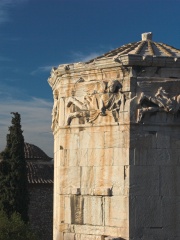
Andronicus of Cyrrhus
ASTRONOMER
200 BC - 100 BC
HPI: 59.38
Rank: 599

Musaeus of Athens
PHILOSOPHER
500 BC - Present
HPI: 59.35
Rank: 600
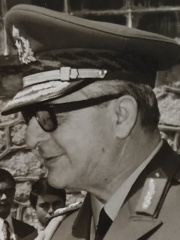
Georgios Zoitakis
MILITARY PERSONNEL
1910 - 1996
HPI: 59.32
Rank: 601
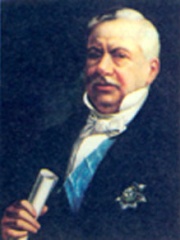
Spyridon Trikoupis
POLITICIAN
1788 - 1873
HPI: 59.32
Rank: 602

Myrtis of Anthedon
WRITER
500 BC - Present
HPI: 59.31
Rank: 603
Among سياسي In اليونان
Among سياسي born in اليونان, Areus II ranks 252. Before him are Agesipolis II (-400), Charilaos Trikoupis (1832), Machanidas (-254), Eudamidas III (-300), Philinna (-400), and Theagenes of Megara (-700). After him are Spyridon Trikoupis (1788), Doryssus (null), Ioannis Rallis (1878), Ioannis Alevras (1912), Tzannis Tzannetakis (1928), and Peter the Patrician (500).

Agesipolis II
400 BC - 370 BC
HPI: 59.75
Rank: 246
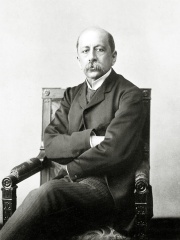
Charilaos Trikoupis
1832 - 1896
HPI: 59.75
Rank: 247

Machanidas
254 BC - 207 BC
HPI: 59.71
Rank: 248

Eudamidas III
300 BC - 300 BC
HPI: 59.63
Rank: 249
Philinna
400 BC - 400 BC
HPI: 59.55
Rank: 250
Theagenes of Megara
700 BC - 600 BC
HPI: 59.51
Rank: 251
Areus II
262 BC - 254 BC
HPI: 59.39
Rank: 252
Spyridon Trikoupis
1788 - 1873
HPI: 59.32
Rank: 253

Doryssus
HPI: 59.20
Rank: 254
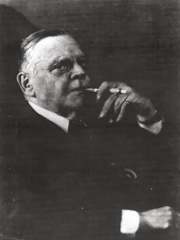
Ioannis Rallis
1878 - 1946
HPI: 59.16
Rank: 255
Ioannis Alevras
1912 - 1995
HPI: 59.15
Rank: 256

Tzannis Tzannetakis
1928 - 2010
HPI: 59.11
Rank: 257
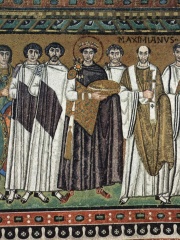
Peter the Patrician
500 - 565
HPI: 59.10
Rank: 258