足球运动员
Xeka
1994 - 至今

 Xeka
Xeka
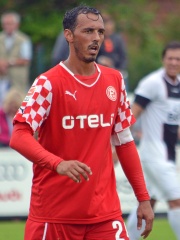
Xeka is a 足球运动员 born in 1994 in , which is now part of modern day Rebordosa, Portugal. Xeka is currently 32 years old.
His biography is available in 14 different languages on Wikipedia. Xeka is the 18,413th most popular 足球运动员, the 667th most popular biography from Portugal and the 237th most popular Portuguese 足球运动员.
Xeka is a Portuguese footballer known for his versatility as a midfielder and his strong performances in domestic leagues, particularly in the Primeira Liga. He gained prominence playing for clubs like Lille OSC and SC Braga, showcasing his skills in both attacking and defensive roles.
Memorability Metrics
Page views of Xeka by language
Among 足球运动员
Among 足球运动员, Xeka ranks 18,413 out of 21,273. Before him are Rasmus Würtz, Malick Fofana, Franck Dja Djédjé, Matt O'Riley, Josh Wolff, and Nobuhiro Kato. After him are Syarhey Amelyanchuk, José Luis Rodríguez, Rúben Vinagre, Kelvin Jack, Rubén Peña, and Antonio Raíllo.
Most Popular 足球运动员 in Wikipedia
Go to all Rankings
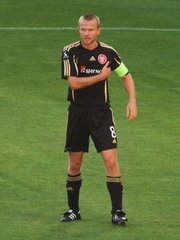
Rasmus Würtz
1983 - Present
HPI: 36.28
Rank: 18,427
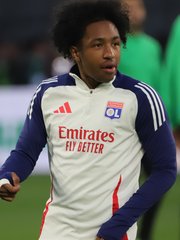
Malick Fofana
2005 - Present
HPI: 36.28
Rank: 18,428
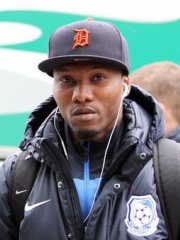
Franck Dja Djédjé
1986 - Present
HPI: 36.28
Rank: 18,429
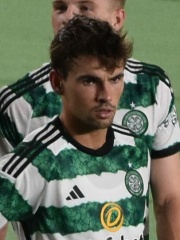
Matt O'Riley
2000 - Present
HPI: 36.27
Rank: 18,430

Josh Wolff
1977 - Present
HPI: 36.27
Rank: 18,431

Nobuhiro Kato
1984 - Present
HPI: 36.27
Rank: 18,432
Xeka
1994 - Present
HPI: 36.26
Rank: 18,433

Syarhey Amelyanchuk
1980 - Present
HPI: 36.26
Rank: 18,434
José Luis Rodríguez
1998 - Present
HPI: 36.26
Rank: 18,435

Rúben Vinagre
1999 - Present
HPI: 36.26
Rank: 18,436

Kelvin Jack
1976 - Present
HPI: 36.26
Rank: 18,437

Rubén Peña
1991 - Present
HPI: 36.25
Rank: 18,438

Antonio Raíllo
1991 - Present
HPI: 36.25
Rank: 18,439

Contemporaries
Among people born in 1994, Xeka ranks 862. Before him are Robin Zentner, Valentina Giacinti, Ibrahima Cissé, Nora Heroum, Pyry Soiri, and Nyjah Huston. After him are Ryohei Michibuchi, Steliano Filip, Luka Krajnc, Bianca Ryan, Merhawi Kudus, and Victor Sá.
Others Born in 1994
Go to all Rankings
Robin Zentner
SOCCER PLAYER
1994 - Present
HPI: 36.36
Rank: 856

Valentina Giacinti
SOCCER PLAYER
1994 - Present
HPI: 36.35
Rank: 857

Ibrahima Cissé
SOCCER PLAYER
1994 - Present
HPI: 36.34
Rank: 858

Nora Heroum
SOCCER PLAYER
1994 - Present
HPI: 36.31
Rank: 859
Pyry Soiri
SOCCER PLAYER
1994 - Present
HPI: 36.30
Rank: 860

Nyjah Huston
ATHLETE
1994 - Present
HPI: 36.28
Rank: 861
Xeka
SOCCER PLAYER
1994 - Present
HPI: 36.26
Rank: 862

Ryohei Michibuchi
SOCCER PLAYER
1994 - Present
HPI: 36.25
Rank: 863

Steliano Filip
SOCCER PLAYER
1994 - Present
HPI: 36.24
Rank: 864
Luka Krajnc
SOCCER PLAYER
1994 - Present
HPI: 36.24
Rank: 865

Bianca Ryan
ACTOR
1994 - Present
HPI: 36.24
Rank: 866
Merhawi Kudus
CYCLIST
1994 - Present
HPI: 36.22
Rank: 867
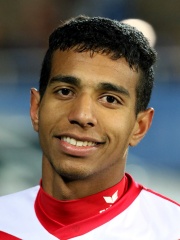
Victor Sá
SOCCER PLAYER
1994 - Present
HPI: 36.22
Rank: 868
In Portugal
Among people born in Portugal, Xeka ranks 667 out of 633. Before him are Beto (1998), Emanuel Silva (1985), Tiago Dantas (2000), Thierry Correia (1999), Álvaro Parente (1984), and Luís Frade (1998). After him are Rúben Vinagre (1999), Cafú (1993), Nuno Santos (1995), Tiago Tomás (2002), Joana Ramos (1982), and Iúri Leitão (1998).
Others born in Portugal
Go to all Rankings
Beto
SOCCER PLAYER
1998 - Present
HPI: 36.83
Rank: 661

Emanuel Silva
ATHLETE
1985 - Present
HPI: 36.74
Rank: 662
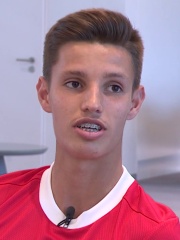
Tiago Dantas
SOCCER PLAYER
2000 - Present
HPI: 36.73
Rank: 663

Thierry Correia
SOCCER PLAYER
1999 - Present
HPI: 36.59
Rank: 664
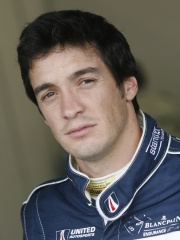
Álvaro Parente
RACING DRIVER
1984 - Present
HPI: 36.36
Rank: 665

Luís Frade
HANDBALL PLAYER
1998 - Present
HPI: 36.31
Rank: 666
Xeka
SOCCER PLAYER
1994 - Present
HPI: 36.26
Rank: 667
Rúben Vinagre
SOCCER PLAYER
1999 - Present
HPI: 36.26
Rank: 668

Cafú
SOCCER PLAYER
1993 - Present
HPI: 36.21
Rank: 669

Nuno Santos
SOCCER PLAYER
1995 - Present
HPI: 35.97
Rank: 670
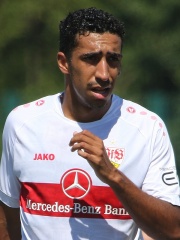
Tiago Tomás
SOCCER PLAYER
2002 - Present
HPI: 35.93
Rank: 671

Joana Ramos
ATHLETE
1982 - Present
HPI: 35.93
Rank: 672

Iúri Leitão
CYCLIST
1998 - Present
HPI: 35.87
Rank: 673
Among 足球运动员 In Portugal
Among 足球运动员 born in Portugal, Xeka ranks 237. Before him are Hernâni Fortes (1991), Tiago Silva (1993), Mário Sérgio (1981), Beto (1998), Tiago Dantas (2000), and Thierry Correia (1999). After him are Rúben Vinagre (1999), Cafú (1993), Nuno Santos (1995), Tiago Tomás (2002), Sérgio Pinto (1980), and Licá (1988).

Hernâni Fortes
1991 - Present
HPI: 37.06
Rank: 231

Tiago Silva
1993 - Present
HPI: 36.90
Rank: 232

Mário Sérgio
1981 - Present
HPI: 36.88
Rank: 233
Beto
1998 - Present
HPI: 36.83
Rank: 234
Tiago Dantas
2000 - Present
HPI: 36.73
Rank: 235
Thierry Correia
1999 - Present
HPI: 36.59
Rank: 236
Xeka
1994 - Present
HPI: 36.26
Rank: 237
Rúben Vinagre
1999 - Present
HPI: 36.26
Rank: 238
Cafú
1993 - Present
HPI: 36.21
Rank: 239
Nuno Santos
1995 - Present
HPI: 35.97
Rank: 240
Tiago Tomás
2002 - Present
HPI: 35.93
Rank: 241
Sérgio Pinto
1980 - Present
HPI: 35.67
Rank: 242

Licá
1988 - Present
HPI: 35.46
Rank: 243