政治家
Uthman
574 - 656
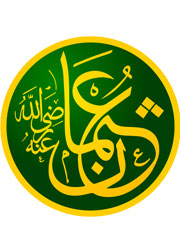
 Uthman
奥斯曼·本·阿凡(阿拉伯語:عثمان بن عفان ʿUthmān ibn ʿAffān,約574年-656年6月17日)為伊斯蘭教歷史上的四大哈里发之中的第三代哈里發,於644年至656年在位。 在维基百科上阅读更多
His biography is available in 96 different languages on Wikipedia (up from 89 in 2024). Uthman is the 157th most popular 政治家 (down from 81st in 2024), the 8th most popular biography from Saudi Arabia (down from 5th in 2019) and the 2nd most popular Saudi Arabian 政治家.
Uthman was the third caliph of Islam. He was a successful administrator and is most famous for compiling the Quran into a single text.
Memorability Metrics
Page views of Uthman by language
Among 政治家
Among 政治家, Uthman ranks 157 out of 19,576. Before him are Hadrian, Pontius Pilate, Carl XVI Gustaf of Sweden, Rodrigo Duterte, Severus Alexander, and Henry IV of France. After him are Murad III, Ahmed I, Herod the Great, Silvio Berlusconi, Lorenzo de' Medici, and Titus.
Most Popular 政治家 in Wikipedia
Go to all Rankings
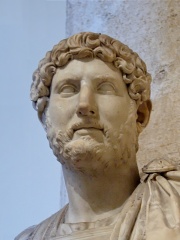
Hadrian
76 - 138
HPI: 84.58
Rank: 151

Pontius Pilate
12 BC - 38
HPI: 84.56
Rank: 152
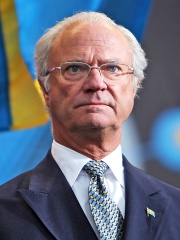
Carl XVI Gustaf of Sweden
1946 - Present
HPI: 84.47
Rank: 153

Rodrigo Duterte
1945 - Present
HPI: 84.40
Rank: 154
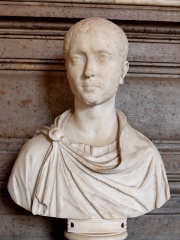
Severus Alexander
208 - 235
HPI: 84.39
Rank: 155
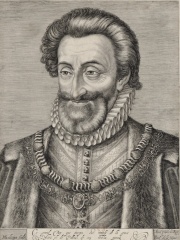
Henry IV of France
1553 - 1610
HPI: 84.36
Rank: 156
Uthman
574 - 656
HPI: 84.34
Rank: 157
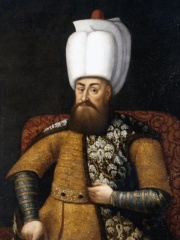
Murad III
1546 - 1595
HPI: 84.29
Rank: 158
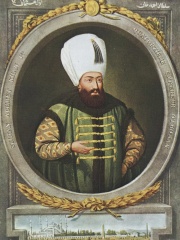
Ahmed I
1590 - 1617
HPI: 84.23
Rank: 159
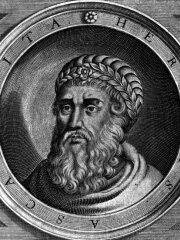
Herod the Great
73 BC - 3 BC
HPI: 84.23
Rank: 160

Silvio Berlusconi
1936 - 2023
HPI: 84.19
Rank: 161
Lorenzo de' Medici
1449 - 1492
HPI: 84.14
Rank: 162
Titus
41 - 81
HPI: 84.07
Rank: 163

Contemporaries
Among people born in 574, Uthman ranks 1. After him are Pope Agatho, and Prince Shōtoku. Among people deceased in 656, Uthman ranks 1. After him are Zubayr ibn al-Awam, Talhah, Sigebert III, Abdallah ibn Sa'd, Hudhayfah ibn al-Yaman, and Peada of Mercia.
Others Born in 574
Go to all RankingsUthman
POLITICIAN
574 - 656
HPI: 84.34
Rank: 1
Pope Agatho
RELIGIOUS FIGURE
574 - 681
HPI: 77.72
Rank: 2

Prince Shōtoku
POLITICIAN
574 - 622
HPI: 70.14
Rank: 3
Others Deceased in 656
Go to all RankingsUthman
POLITICIAN
574 - 656
HPI: 84.34
Rank: 1

Zubayr ibn al-Awam
POLITICIAN
594 - 656
HPI: 75.02
Rank: 2

Talhah
RELIGIOUS FIGURE
595 - 656
HPI: 73.48
Rank: 3
Sigebert III
POLITICIAN
630 - 656
HPI: 69.87
Rank: 4

Abdallah ibn Sa'd
MILITARY PERSONNEL
650 - 656
HPI: 65.43
Rank: 5

Hudhayfah ibn al-Yaman
RELIGIOUS FIGURE
600 - 656
HPI: 64.18
Rank: 6

Peada of Mercia
POLITICIAN
601 - 656
HPI: 57.38
Rank: 7
In Saudi Arabia
Among people born in Saudi Arabia, Uthman ranks 8 out of 354. Before him are Ali (601), Umar (585), Abu Bakr (573), Aisha (605), Khadija bint Khuwaylid (556), and Fatimah (604). After him are Husayn ibn Ali (626), Salman of Saudi Arabia (1935), Khalid ibn al-Walid (592), Hasan ibn Ali (624), Bilal ibn Rabah (580), and Muawiyah I (603).
Others born in Saudi Arabia
Go to all Rankings
Ali
RELIGIOUS FIGURE
601 - 661
HPI: 89.31
Rank: 2
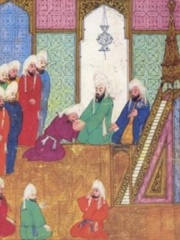
Umar
POLITICIAN
585 - 644
HPI: 89.27
Rank: 3
Abu Bakr
RELIGIOUS FIGURE
573 - 634
HPI: 89.08
Rank: 4

Aisha
COMPANION
605 - 678
HPI: 88.09
Rank: 5

Khadija bint Khuwaylid
COMPANION
556 - 619
HPI: 86.56
Rank: 6

Fatimah
COMPANION
604 - 632
HPI: 86.48
Rank: 7
Uthman
POLITICIAN
574 - 656
HPI: 84.34
Rank: 8
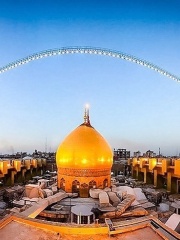
Husayn ibn Ali
RELIGIOUS FIGURE
626 - 680
HPI: 83.63
Rank: 9
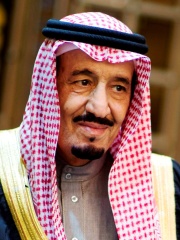
Salman of Saudi Arabia
POLITICIAN
1935 - Present
HPI: 83.36
Rank: 10

Khalid ibn al-Walid
MILITARY PERSONNEL
592 - 642
HPI: 82.46
Rank: 11

Hasan ibn Ali
RELIGIOUS FIGURE
624 - 670
HPI: 81.21
Rank: 12
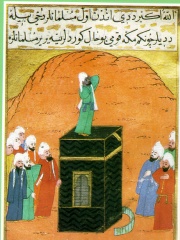
Bilal ibn Rabah
RELIGIOUS FIGURE
580 - 642
HPI: 80.86
Rank: 13
Muawiyah I
POLITICIAN
603 - 680
HPI: 80.40
Rank: 14
Among 政治家 In Saudi Arabia
Among 政治家 born in Saudi Arabia, Uthman ranks 2. Before him are Umar (585). After him are Salman of Saudi Arabia (1935), Muawiyah I (603), Ibn Saud (1875), Abdullah of Saudi Arabia (1924), Faisal of Saudi Arabia (1906), Faisal I of Iraq (1885), Hamza ibn Abdul-Muttalib (570), Abd al-Malik ibn Marwan (646), Abū Lahab (549), and Abu Sufyan ibn Harb (580).
Umar
585 - 644
HPI: 89.27
Rank: 1
Uthman
574 - 656
HPI: 84.34
Rank: 2
Salman of Saudi Arabia
1935 - Present
HPI: 83.36
Rank: 3
Muawiyah I
603 - 680
HPI: 80.40
Rank: 4
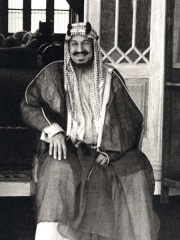
Ibn Saud
1875 - 1953
HPI: 79.58
Rank: 5
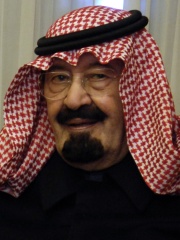
Abdullah of Saudi Arabia
1924 - 2015
HPI: 79.06
Rank: 6
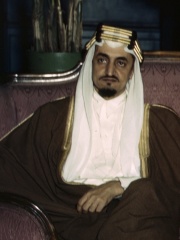
Faisal of Saudi Arabia
1906 - 1975
HPI: 78.51
Rank: 7
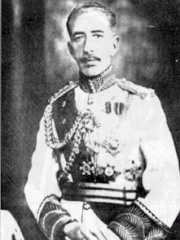
Faisal I of Iraq
1885 - 1933
HPI: 77.93
Rank: 8
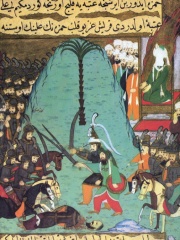
Hamza ibn Abdul-Muttalib
570 - 625
HPI: 77.55
Rank: 9
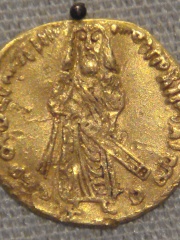
Abd al-Malik ibn Marwan
646 - 705
HPI: 77.44
Rank: 10

Abū Lahab
549 - 624
HPI: 77.13
Rank: 11

Abu Sufyan ibn Harb
580 - 641
HPI: 76.78
Rank: 12