作曲家
Terry Riley
1935 - 至今
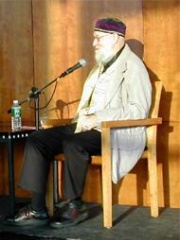
 Terry Riley
特里·赖利(英語:Terry Riley,1935年7月24日—),美国简约主义古典音乐作曲家。他是简约主义的先驱者之一,作品常采用大量重复的简单音型,同时运用磁带。早期由于作品较为单调晦涩,故流传不广,而後來與[Kronos Quartet]合作的幾張弦樂四重奏專輯,則受到較廣泛的喜愛與好評。他最有名的作品是《C音》,被称为简约主义的开山之作。 在维基百科上阅读更多
His biography is available in 28 different languages on Wikipedia. Terry Riley is the 534th most popular 作曲家 (down from 476th in 2024), the 2,823rd most popular biography from United States (down from 2,233rd in 2019) and the 28th most popular American 作曲家.
Memorability Metrics
Page views of Terry Riley by language
Among 作曲家
Among 作曲家, Terry Riley ranks 534 out of 1,451. Before him are David Rose, Frederick Delius, Pancho Vladigerov, Remo Giazotto, Franz Xaver Richter, and Erwin Schulhoff. After him are Albert Ketèlbey, Michael Kamen, Vasily Kalinnikov, Gara Garayev, Henri Duparc, and R. D. Burman.
Most Popular 作曲家 in Wikipedia
Go to all Rankings
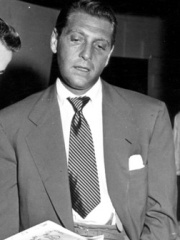
David Rose
1910 - 1990
HPI: 63.54
Rank: 528
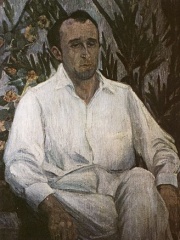
Frederick Delius
1862 - 1934
HPI: 63.54
Rank: 529
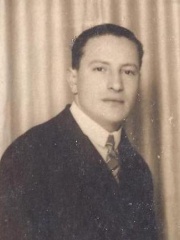
Pancho Vladigerov
1899 - 1978
HPI: 63.53
Rank: 530

Remo Giazotto
1910 - 1998
HPI: 63.52
Rank: 531
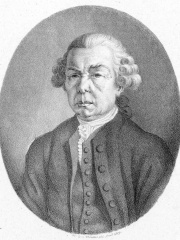
Franz Xaver Richter
1709 - 1789
HPI: 63.51
Rank: 532
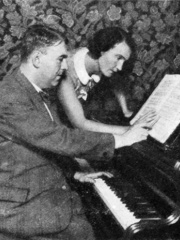
Erwin Schulhoff
1894 - 1942
HPI: 63.50
Rank: 533
Terry Riley
1935 - Present
HPI: 63.46
Rank: 534
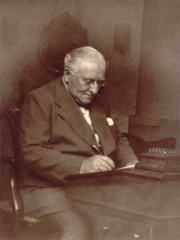
Albert Ketèlbey
1875 - 1959
HPI: 63.46
Rank: 535
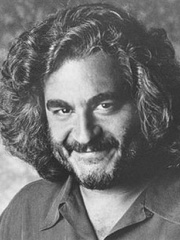
Michael Kamen
1948 - 2003
HPI: 63.46
Rank: 536
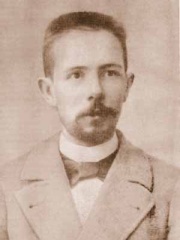
Vasily Kalinnikov
1866 - 1900
HPI: 63.46
Rank: 537
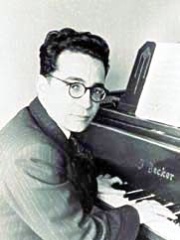
Gara Garayev
1918 - 1982
HPI: 63.45
Rank: 538
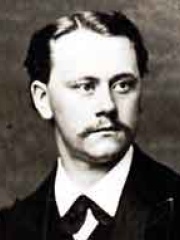
Henri Duparc
1848 - 1933
HPI: 63.44
Rank: 539
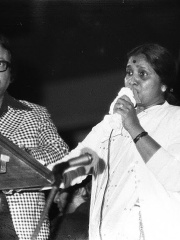
R. D. Burman
1939 - 1994
HPI: 63.44
Rank: 540

Contemporaries
Among people born in 1935, Terry Riley ranks 121. Before him are Mário Coluna, Vladislav Volkov, Julian Glover, Michael Walzer, Judd Hirsch, and Fabio Cudicini. After him are Gene Vincent, Nikos Sampson, Peter Boyle, Armen Dzhigarkhanyan, Orlando Peçanha, and Lyudmila Chernykh.
Others Born in 1935
Go to all Rankings
Mário Coluna
SOCCER PLAYER
1935 - 2014
HPI: 63.99
Rank: 115
Vladislav Volkov
ASTRONAUT
1935 - 1971
HPI: 63.95
Rank: 116
Julian Glover
ACTOR
1935 - Present
HPI: 63.82
Rank: 117
Michael Walzer
PHILOSOPHER
1935 - Present
HPI: 63.81
Rank: 118
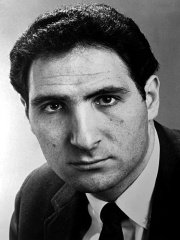
Judd Hirsch
ACTOR
1935 - Present
HPI: 63.75
Rank: 119
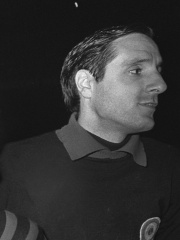
Fabio Cudicini
SOCCER PLAYER
1935 - 2025
HPI: 63.75
Rank: 120
Terry Riley
COMPOSER
1935 - Present
HPI: 63.46
Rank: 121
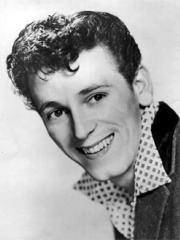
Gene Vincent
SINGER
1935 - 1971
HPI: 63.33
Rank: 122
Nikos Sampson
POLITICIAN
1935 - 2001
HPI: 63.33
Rank: 123
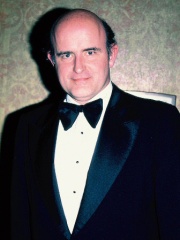
Peter Boyle
ACTOR
1935 - 2006
HPI: 63.27
Rank: 124
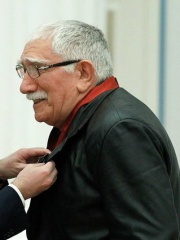
Armen Dzhigarkhanyan
ACTOR
1935 - 2020
HPI: 63.27
Rank: 125
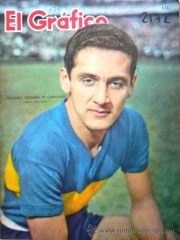
Orlando Peçanha
SOCCER PLAYER
1935 - 2010
HPI: 63.24
Rank: 126

Lyudmila Chernykh
ASTRONOMER
1935 - 2017
HPI: 63.23
Rank: 127
In United States
Among people born in United States, Terry Riley ranks 2,823 out of 20,380. Before him are Dwight F. Davis (1879), Richard Hatch (1945), Gerrit Smith Miller (1869), Carolyn Jones (1930), Henry H. Arnold (1886), and Ron Johnson (1955). After him are Everett McGill (1945), Clancy Brown (1959), Michael Kamen (1948), Ron DeSantis (1978), Emma Stone (1988), and Lily Tomlin (1939).
Others born in United States
Go to all Rankings
Dwight F. Davis
POLITICIAN
1879 - 1945
HPI: 63.48
Rank: 2,817
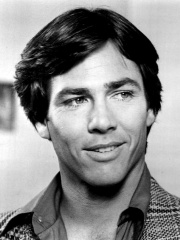
Richard Hatch
ACTOR
1945 - 2017
HPI: 63.48
Rank: 2,818
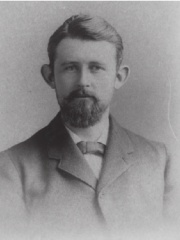
Gerrit Smith Miller
BIOLOGIST
1869 - 1956
HPI: 63.48
Rank: 2,819

Carolyn Jones
ACTOR
1930 - 1983
HPI: 63.48
Rank: 2,820
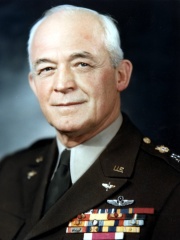
Henry H. Arnold
MILITARY PERSONNEL
1886 - 1950
HPI: 63.47
Rank: 2,821
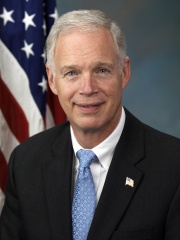
Ron Johnson
POLITICIAN
1955 - Present
HPI: 63.47
Rank: 2,822
Terry Riley
COMPOSER
1935 - Present
HPI: 63.46
Rank: 2,823
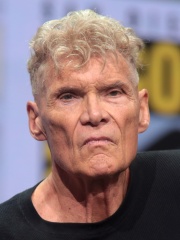
Everett McGill
ACTOR
1945 - Present
HPI: 63.46
Rank: 2,824

Clancy Brown
ACTOR
1959 - Present
HPI: 63.46
Rank: 2,825
Michael Kamen
COMPOSER
1948 - 2003
HPI: 63.46
Rank: 2,826
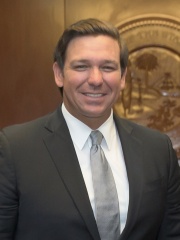
Ron DeSantis
POLITICIAN
1978 - Present
HPI: 63.46
Rank: 2,827

Emma Stone
ACTOR
1988 - Present
HPI: 63.46
Rank: 2,828

Lily Tomlin
ACTOR
1939 - Present
HPI: 63.46
Rank: 2,829
Among 作曲家 In United States
Among 作曲家 born in United States, Terry Riley ranks 28. Before him are Paul Bowles (1910), Danny Elfman (1953), James Newton Howard (1951), George Antheil (1900), Bill Conti (1942), and Leroy Anderson (1908). After him are Michael Kamen (1948), John Adams (1947), Amy Beach (1867), Morton Feldman (1926), Ernest Guiraud (1837), and James Scott (1885).
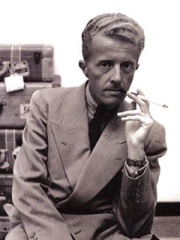
Paul Bowles
1910 - 1999
HPI: 64.35
Rank: 22

Danny Elfman
1953 - Present
HPI: 64.02
Rank: 23
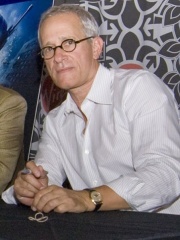
James Newton Howard
1951 - Present
HPI: 63.87
Rank: 24
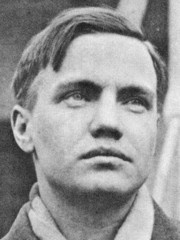
George Antheil
1900 - 1959
HPI: 63.84
Rank: 25
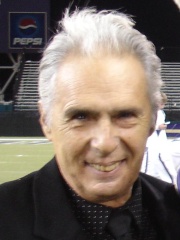
Bill Conti
1942 - Present
HPI: 63.69
Rank: 26
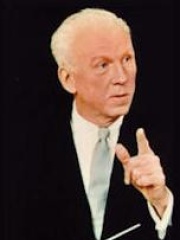
Leroy Anderson
1908 - 1975
HPI: 63.69
Rank: 27
Terry Riley
1935 - Present
HPI: 63.46
Rank: 28
Michael Kamen
1948 - 2003
HPI: 63.46
Rank: 29
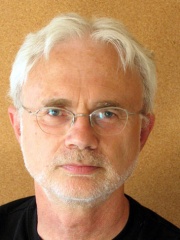
John Adams
1947 - Present
HPI: 63.39
Rank: 30
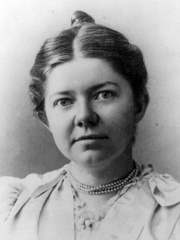
Amy Beach
1867 - 1944
HPI: 62.88
Rank: 31
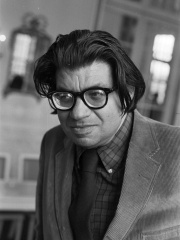
Morton Feldman
1926 - 1987
HPI: 62.81
Rank: 32
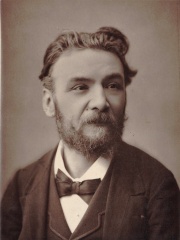
Ernest Guiraud
1837 - 1892
HPI: 62.57
Rank: 33
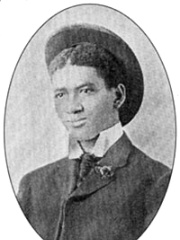
James Scott
1885 - 1938
HPI: 62.31
Rank: 34